
Author name: Nibha

PMC Property Tax
Uncategorized

PMC Property Tax: Online Payment, Due Date, Penalty & Rebates Explained

Property tax is one of the most important civic taxes for anyone owning a house, flat, shop, or vacant land in Pune. It is collected by the Pune Municipal Corporation (PMC) and directly funds essential services like roads, drainage, water supply, garbage collection, and public infrastructure. Many property owners search for PMC property tax details because they are unsure about due dates, penalties, discounts, or the correct way to pay online without mistakes. This guide explains PMC property tax in a clear, practical, and AdSense-friendly way, covering calculation, due dates, penalties, online and offline payment steps, and available exemptions. ⭐ What Is PMC Property Tax? PMC property tax is a local tax levied on all properties and vacant lands falling within the limits of the Pune Municipal Corporation. PMC has been administering civic services since 1950, and property tax is its second-largest source of revenue after octroi (before octroi was abolished). To improve transparency and widen the tax base, PMC introduced GIS-based geo-tagging in 2016. Under this system: Today, PMC covers more than 8 lakh properties, making property tax compliance increasingly data-driven and difficult to bypass. ⭐ Latest PMC Property Tax Update (FY 2025–26) PMC offers early payment rebates to encourage timely tax payments. Paying within this window can significantly reduce your annual tax burden. ⭐ How PMC Property Tax Is Calculated PMC follows a capital value-based system, unlike cities that still use annual rental value. 🔢 Property Tax Formula Property Tax = Tax Rate × Capital Value 🧮 Capital Value Calculation Capital Value =Base value × Built-up area × Usage factor × Building type × Age factor × Floor factor This method ensures that: PMC allows taxpayers to estimate dues online by entering locality, usage type, area, and building age. ⭐ Due Date, Penalty & Rebates in Pune 📅 PMC Due Dates Period Due Date First Half (Apr–Sep) 31 May Second Half (Oct–Mar) 31 December ⚠️ Penalty for Late Payment Delays can quickly compound into a heavy additional cost. ⭐ PMC Property Tax Rebates Explained 🏠 Residential & Open Plots 🌱 Green Initiative Rebates Properties with: Get: ⭐ PCMC Property Tax (For Pimpri-Chinchwad Areas) If your property falls under PCMC jurisdiction: Always confirm whether your property is under PMC or PCMC before paying. ⭐ Steps to Pay PMC Property Tax Online 💻 Online Payment (PMC) Receipts can also be accessed later using the Tax Receipt option. ⭐ PCMC Online Payment Steps For PCMC properties: Payment-related grievances can be raised via official PCMC support channels. ⭐ Offline Payment Options in Pune Property tax can also be paid offline using: Cheque/DD must be in favour of:The Assessor and Collector of Tax, P.M.C Pune Offline payment locations include: ⭐ Income Tax Implications of PMC Property Tax Under the Income-tax Act, municipal taxes actually paid during the year can be claimed as a deduction from the Gross Annual Value of a let-out property. This deduction is allowed only if the tax is paid within the relevant financial year. Proper documentation is essential, especially when filing returns using your PAN Card. ⭐ Property Tax Exemptions & Concessions PMC Exemptions PCMC Concessions Eligibility documents must be submitted for availing these benefits. ⭐ Common Mistakes to Avoid Such errors often result in higher dues and legal notices. ⭐ Conclusion PMC property tax is not just a legal obligation but a contribution toward Pune’s infrastructure and civic development. With GIS-based assessment and strict tracking, timely and accurate payment has become essential. Understanding calculation logic, due dates, rebates, and penalties helps property owners avoid unnecessary costs and disputes. For more practical guides on taxes, property rules, and government documentation, visit Sarkari Bakery. ❓ Frequently Asked Questions


Postal Life Insurance
Savings

Postal Life Insurance (PLI): Login, Plans, Premium Tables, Benefits & Eligibility Explained

Postal Life Insurance (PLI) is a long-standing life insurance scheme managed by India Post and backed by the Government of India. It is mainly designed for salaried individuals working in government, PSUs, defence services, and certain professional categories. Many people search for PLI details because they already hold a policy but do not fully understand its plans, premium structure, bonus system, or online facilities. Others want to evaluate whether PLI is suitable compared to LIC or other safe investment options. This detailed guide explains Postal Life Insurance in depth, covering its features, schemes, eligibility rules, online login process, and all major premium tables in a clear and practical way. ⭐ What Is Postal Life Insurance (PLI)? Postal Life Insurance is a government-backed life insurance scheme offered by the Department of Posts. It was first introduced in 1884 for postal department employees, making it one of the oldest life insurance schemes in India. Over time, its scope expanded to include central and state government employees, PSU staff, defence personnel, and selected professionals from approved organisations. PLI combines life cover with disciplined long-term savings. If the policyholder passes away during the policy term, the nominee receives the sum assured along with accumulated bonuses. If the policyholder survives the term, maturity benefits are paid as per the policy conditions. ⭐ Key Features of Postal Life Insurance Postal Life Insurance is preferred by many due to its stability and transparency. Its major features include: These features make PLI suitable for conservative investors looking for secure, long-term financial planning. ⭐ Types of Postal Life Insurance Schemes Postal Life Insurance offers multiple schemes to suit different financial goals. Each scheme has its own rules, maturity pattern, and premium structure. ⭐ 1. Whole Life Assurance (Suraksha) Under this scheme, the sum assured along with accrued bonus is paid either on attaining 80 years of age or to the nominee in case of death. Important points: This plan suits those looking for lifelong protection with steady bonus growth. ⭐ 2. Endowment Assurance (Santosh) This plan provides maturity benefits at a selected age along with death cover during the policy term. Key details: If surrendered early, proportionate bonus is paid based on the years completed. ⭐ 3. Anticipated Endowment Assurance (Sumangal) This is a money-back plan where survival benefits are paid at fixed intervals. Payout structure: Even if survival benefits are already paid, the full sum assured plus bonus is paid on death. ⭐ 4. Convertible Whole Life Assurance (Suvidha) This plan starts as a Whole Life policy and can later be converted into an Endowment policy. Key features: This scheme is suitable for people who want flexibility in long-term planning. ⭐ 5. Joint Life Assurance (Yugal Suraksha) This scheme covers both spouses under one policy. Important rules: On the death of one spouse, benefits are paid to the surviving spouse. ⭐ 6. Children Policy (Bal Jeevan Bima) This plan secures the future of children of PLI policyholders. Key conditions: If the parent dies, premiums are waived and maturity benefits are paid to the child. ⭐ Eligibility Criteria for Postal Life Insurance PLI is available only to specific categories, including: Eligibility is verified at the time of application. ⭐ Postal Life Insurance Bonus Rates Bonus rates are declared every year. Below is the commonly applied bonus structure: PLI Scheme Bonus Rate Whole Life Assurance ₹76 per ₹1,000 SA Endowment Assurance ₹52 per ₹1,000 SA Anticipated Endowment ₹48 per ₹1,000 SA Convertible Whole Life ₹76 per ₹1,000 SA Joint Life Assurance ₹52 per ₹1,000 SA Bal Jeevan Bima ₹52 per ₹1,000 SA Bonuses are accumulated annually and paid at maturity or on death. ⭐ Postal Life Insurance Login Process To access online services, policyholders must register on the India Post customer portal. Steps to register and login: Once logged in, users can pay premiums, track policy status, and download receipts. ⭐ Postal Life Insurance Premium Calculator There is no live online calculator for PLI. Premiums depend on: To estimate premiums, official premium tables issued by India Post are used. ⭐ Premium Tables Explained (Why They Matter) Premium tables help policyholders understand: Below are the main premium tables used for estimation. ⭐ Premium Table: Anticipated Endowment Assurance (₹5,000 SA) Age at Entry 15-Year Policy 20-Year Policy 19–36 years ₹33 ₹25 37–42 years ₹34 ₹26 43–45 years ₹35 ₹27 ⭐ Premium Table: Whole Life Assurance (₹5,000 SA) Age at Entry Premium ceasing at 55 58 60 19–25 ₹8–9 ₹7–9 ₹7–9 26–35 ₹9–14 ₹9–13 ₹9–13 36–45 ₹15–30 ₹14–24 ₹13–22 46–55 ₹33–70 ₹27–49 ₹24–41 Premiums rise sharply with age, which is why early entry is beneficial. ⭐ Premium Table: Endowment Assurance (Sample) Premiums vary based on entry age and selected maturity age (35–60 years). Lower maturity age results in higher monthly premiums, while longer terms reduce monthly burden. ⭐ Postal Life Insurance Online & Offline Payment Options Premiums can be paid using: Timely payment is essential to avoid policy lapse. ⭐ Common Guidelines for PLI Policyholders Following these steps ensures smooth policy management. ⭐ Conclusion Postal Life Insurance remains a reliable option for eligible individuals seeking government-backed insurance with steady returns. Its structured plans, transparent premium tables, and long-term bonus benefits make it suitable for disciplined financial planning. Understanding scheme details, eligibility rules, and premium structures helps policyholders make informed decisions and avoid common mistakes. For more detailed guides on insurance, government schemes, and official documentation, visit Sarkari Bakery. ❓ FAQs

Postal Life Insurance (PLI) Online Payment
How To

Postal Life Insurance (PLI) Online Payment: Login, Without Login & Credit Card Methods Explained

Paying your Postal Life Insurance (PLI) premium on time is essential to keep your policy active and avoid penalties or revival charges. With India Post digitising most of its services, PLI premium payment can now be completed online through multiple secure options—whether you prefer logging in, using a quick payment link, or paying via credit card or mobile banking. This guide explains all PLI online payment methods, common mistakes policyholders make, and important rules you should know before making a payment. ⭐ What Is Postal Life Insurance (PLI)? Postal Life Insurance (PLI) is a government-backed life insurance scheme launched in 1884 and administered by India Post. It is known for lower premiums, guaranteed benefits, and long-term security. PLI policies are available to: Because PLI is linked with government systems, timely premium payment is crucial to avoid policy lapse. ⭐ Ways to Pay PLI Premium Online PLI offers multiple online payment options so that policyholders can choose what suits them best. Available Payment Options at a Glance ⭐ PLI Online Payment With Login (Most Used Method) This is the standard method for regular premium payments. Steps to pay PLI premium with login: This method is required if you want to: ⭐ PLI Online Payment Without Login (First Premium Only) PLI allows payment without login only for the initial premium after submitting the proposal. Important limitation:Once the policy is issued and Customer ID is generated, all future payments must be made through login. Steps: This option is useful for new applicants who have not yet received login credentials. ⭐ PLI Online Payment Using Credit Card Credit cards can be used for both initial and renewal premium payments. Steps: Note:Some banks may charge a convenience fee on card transactions. ⭐ PLI Payment Through IPPB Mobile App If you have an India Post Payments Bank account, the IPPB app offers a smooth way to pay premiums. Steps: IPPB is especially helpful for rural users and senior citizens who prefer mobile-based payments. ⭐ PLI Payment via QR Code or Micro-ATM PLI premiums can also be paid using IPPB QR cards at micro-ATMs. This option is commonly used in post offices and outreach camps. ⭐ PLI Payment Through CSC Centres Common Service Centres (CSCs) act as assisted digital points for PLI premium collection. At CSCs: This is useful for users unfamiliar with online portals or mobile apps. Many policyholders already use CSC services for government-related payments. ⭐ Important Rules You Must Know Before Paying For auto-debit or NACH setup, banks may ask for a cancelled cheque during verification. ⭐ Common Mistakes to Avoid Avoiding these mistakes helps prevent policy lapse and revival charges. ⭐ How to Download PLI Payment Receipt PLI receipts are valid documents for tax-related records under applicable sections. 🔚 Conclusion PLI online payment has become simple, secure, and flexible with multiple digital options available for every type of user. Whether you prefer logging into the portal, paying via credit card, using the IPPB app, or visiting a CSC, timely premium payment ensures uninterrupted policy benefits. Always track due dates, take advantage of advance-payment rebates, and keep your receipts safely stored. For more clear and reliable guidance on government schemes, insurance, and official processes, visit Sarkari Bakery. ❓ Frequently Asked Questions

Compare Two Mutual Funds
Savings

How to Compare Two Mutual Funds: Importance, Key Factors, and Smart Decision Tips

When people start investing in mutual funds, one common mistake is choosing a fund only because it shows high past returns. In reality, two mutual funds with similar names or categories can behave very differently over time. This is why many investors search for a clear way to compare two mutual funds properly before putting their hard-earned money at risk. A structured comparison helps you understand not just how much a fund earned, but how it earned those returns, how risky it is, and whether it actually suits your financial goals. Below is a detailed, practical guide to comparing mutual funds in a way that avoids common traps and supports long-term wealth creation. ⭐ Why Comparing Mutual Funds Is So Important Mutual funds are designed for different investors. Some aim for steady growth, others chase aggressive returns, while some focus on stability and income. Without comparison, investors often end up with funds that: Comparing funds side-by-side helps you identify which fund fits your goals, not just which fund looks attractive on paper. ⭐ Start With the Right Return Comparison Look at Long-Term Performance, Not Just One Year Returns are important, but they must be viewed in context. Instead of focusing only on last year’s performance, check returns across multiple periods: A fund that performs consistently across different market cycles is generally more reliable than one that spikes briefly and then fades. CAGR Matters More Than Absolute Returns Always prefer CAGR (Compounded Annual Growth Rate) over simple returns. CAGR shows how steadily your investment has grown over time and avoids misleading short-term jumps. ⭐ Compare Returns Against the Benchmark Every mutual fund follows a benchmark index, such as Nifty 50, Nifty Next 50, or a bond index in case of debt funds. When comparing two funds: Outperforming the benchmark over time indicates that the fund strategy and management are adding real value. ⭐ Expense Ratio: The Silent Wealth Killer Expense ratio is the annual fee charged by the fund house to manage your investment. Why it matters: When comparing similar funds: Over 15–20 years, a lower expense ratio can mean lakhs of rupees more in your pocket. ⭐ Understand Risk Using the Right Metrics Returns without risk analysis are incomplete. Two funds may deliver similar returns but with very different stress levels. Key risk measures to compare: Standard Deviation Shows how volatile a fund is. Higher numbers mean more ups and downs. Beta Measures how much the fund moves compared to the market. Sharpe Ratio Shows how well the fund rewards you for the risk taken. Higher is better. Sortino Ratio Focuses only on downside risk. Useful for conservative investors. Alpha Indicates whether the fund manager is adding value beyond the benchmark. A fund with slightly lower returns but much lower volatility may be a better choice for many investors. ⭐ Check Portfolio Quality, Not Just Numbers A fund’s portfolio tells you where your money is actually invested. Look at: For debt funds, also check: Funds that are over-concentrated in a few stocks or sectors can face sharp falls during market stress. ⭐ Match the Fund With Your Investment Horizon Your time frame should guide your fund choice. Comparing two funds without considering your time horizon often leads to poor outcomes and panic selling. ⭐ Sector Allocation: Hidden Risk Factor Some funds look diversified but are heavily exposed to one or two sectors. Before choosing: Sector-heavy funds can perform extremely well or badly depending on market trends. ⭐ Example: Comparing Two Mutual Funds in Practice Parameter Fund A (Large Cap) Fund B (Large & Mid Cap) 5-Year CAGR Moderate but stable Higher but volatile Expense Ratio Lower Slightly higher Volatility Low Medium-High Portfolio Mostly large caps Significant mid-cap exposure Risk Profile Conservative Moderately aggressive Ideal Investor Stability seekers Growth-oriented investors This kind of comparison helps you choose based on fit, not hype. ⭐ Common Mistakes Investors Make While Comparing Funds Avoiding these mistakes can significantly improve long-term outcomes. 🔚 Conclusion Comparing two mutual funds is not about finding the “best” fund in absolute terms—it is about finding the right fund for you. A smart comparison looks at returns, benchmark performance, costs, risk, portfolio quality, and suitability to your goals. When done properly, it protects you from unnecessary losses and helps your money grow steadily over time. For simple, trustworthy explanations on investing, finance, and government-related topics, visit Sarkari Bakery. ❓ Frequently Asked Questions

Mukhyamantri Majhi Ladki Bahin Yojana
Govt. Schemes

What Is Mukhyamantri Majhi Ladki Bahin Yojana and Its Objective

In recent years, many women from low-income families have searched for direct financial support schemes that can help them manage daily household expenses, healthcare needs, and basic independence. In Maharashtra, this need led to the launch of the Mukhyamantri Majhi Ladki Bahin Yojana, a scheme focused entirely on improving the financial security of women. People often look for clear answers about what this scheme actually is, why it was introduced, who benefits the most, and how it helps women at the ground level. Below is a complete and practical explanation. ⭐ What Is Mukhyamantri Majhi Ladki Bahin Yojana? Mukhyamantri Majhi Ladki Bahin Yojana is a women-centric welfare scheme launched by the Government of Maharashtra. Under this scheme, eligible women receive direct monthly financial assistance credited straight to their bank accounts. The scheme is designed mainly for: Unlike loan schemes or subsidies tied to conditions, this is direct income support, giving women the freedom to decide how to use the money. ⭐ Why Was This Scheme Introduced? The government observed that women often: Even when families receive benefits, money is not always directly controlled by women. This scheme addresses that gap by putting financial support directly in a woman’s hands. ⭐ Main Objective of Majhi Ladki Bahin Yojana The core objectives of this scheme are practical and social, not just financial. 🎯 Financial Independence Providing monthly support ensures women have personal financial security for essential expenses. 🎯 Support for Daily Living The assistance helps with groceries, medicines, children’s education, travel, and emergencies. 🎯 Women-Led Decision Making When money is credited directly to women, it strengthens their role in family decision-making. 🎯 Social Security for Vulnerable Women Widows, single women, and women without stable income receive steady support. ⭐ How the Scheme Helps Women at Ground Level This scheme is not about large payouts but consistent monthly support, which makes a real difference. In many cases, women already required documents like domicile certificate and bank details for other government services, which also makes enrollment smoother. ⭐ Who Benefits the Most From This Scheme? While the scheme is open to eligible women as defined by the state government, it is especially beneficial for: Women who already hold essential identity documents and basic records such as ration card details find it easier to complete verification. ⭐ Why Direct Bank Transfer Matters One of the strongest features of this scheme is Direct Benefit Transfer (DBT). This ensures the support reaches the intended beneficiary without delay or leakage. ⭐ Common Misunderstandings About the Scheme Many people have confusion around the purpose of this yojana. Let’s clear a few points: The scheme exists purely as social and financial support. ⭐ Long-Term Impact of the Scheme If implemented consistently, schemes like Majhi Ladki Bahin Yojana can: Over time, such initiatives help create a more balanced and secure social structure. 🔚 Conclusion Mukhyamantri Majhi Ladki Bahin Yojana is a focused step toward empowering women through direct financial support. Its objective is simple yet powerful—to give women dignity, security, and control over essential resources. By offering monthly assistance without complex conditions, the scheme addresses real-world challenges faced by women in everyday life. For clear and trustworthy explanations of government schemes, certificates, and public services, visit Sarkari Bakery. ❓ Frequently Asked Questions
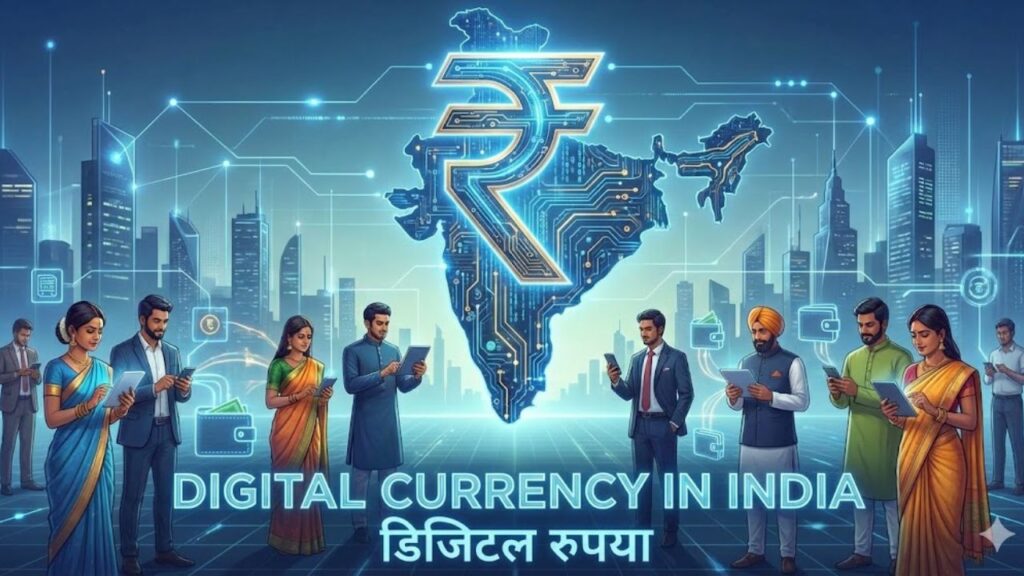
Digital Currency in India
Banking

Digital Currency in India: Name, Meaning, Features & Advantages Explained Clearly

India has seen a massive shift from cash-based transactions to digital payments over the last decade. UPI, mobile banking, and online wallets have already changed how people pay. To take this transformation one step further, the Government of India and the Reserve Bank of India (RBI) introduced digital currency, officially known as the Digital Rupee. Many people search for this topic because they are confused about what digital currency actually is, how it is different from UPI or cryptocurrency, and whether it is safe to use. This guide explains everything in a clear, practical way without technical jargon. ⭐ What Is Digital Currency? Digital currency is money issued by a central bank in electronic form. In India, this currency is called the Digital Rupee and is officially known as Central Bank Digital Currency (CBDC). Unlike private digital wallets or payment apps, the Digital Rupee is: In simple terms, ₹1 Digital Rupee = ₹1 paper rupee. It is not an investment product and does not fluctuate like crypto assets. ⭐ Name of Digital Currency in India The official name is: RBI has introduced two versions: ⭐ How Digital Currency Works in Real Life The Digital Rupee works through a wallet-based system provided by RBI-authorised banks. Here’s how a typical transaction happens: Unlike UPI, transactions do not always require a bank account for settlement, which makes it closer to digital cash than online banking. ⭐ Key Features of Digital Rupee 🔐 Sovereign-Backed Currency The Digital Rupee is issued and regulated by RBI, making it fully legal tender. ⚡ Instant Settlement Transactions settle immediately without clearing delays or interbank dependency. 🧾 Cash-Like Privacy (With Control) It offers controlled traceability, helping prevent illegal activities while maintaining user trust. 🌐 Offline Potential RBI is testing offline usage for areas with weak internet connectivity. 🏦 No Dependency on Wallet Balance Unlike prepaid wallets, CBDC represents actual money, not stored value. ⭐ Advantages of Digital Currency in India ✅ Safer Than Physical Cash No risk of theft, damage, or loss like paper notes. ✅ Lower Cost for Government Reduces printing, storage, transportation, and replacement costs of currency. ✅ Faster Payments Useful for peer-to-peer, business, and government transactions. ✅ Better Transparency Helps reduce black money, fake currency, and tax leakage. ✅ Financial Inclusion People without full banking access can still participate in digital transactions. CBDC usage also complements existing banking KYC systems and digital identity frameworks already used across India. ⭐ Digital Currency vs Cryptocurrency Many people wrongly assume Digital Rupee is similar to Bitcoin. It is not. Aspect Digital Currency Cryptocurrency Issuer RBI Private networks Regulation Fully regulated Largely unregulated Value Stability Stable Highly volatile Legal Status Legal tender Not legal tender Risk Level Low High Digital Rupee focuses on payments, not speculation. ⭐ Digital Rupee Launch in India The rollout started with selected banks and cities and is being expanded gradually based on user feedback and system readiness. ⭐ Is Digital Rupee Based on Blockchain? RBI has not confirmed a public blockchain structure like cryptocurrencies.Instead, the system may use controlled ledger technology, allowing RBI to maintain security, efficiency, and scalability without decentralised risk. ⭐ Common Misunderstandings About Digital Currency Most confusion arises when people mix payment apps with currency issuance. ⭐ Who Should Use Digital Rupee? 🔚 Conclusion Digital currency in India is a major step toward a more transparent, efficient, and inclusive financial system. The Digital Rupee combines the trust of physical cash with the convenience of digital payments, without the risks associated with private cryptocurrencies. As adoption grows, it is expected to strengthen India’s digital economy while keeping monetary control firmly with the RBI. For clear, reliable explanations on government-backed financial systems and digital services, visit Sarkari Bakery. ❓ Frequently Asked Questions

Kalyana Lakshmi Scheme
State Schemes

Why Kalyana Lakshmi Scheme Was Introduced and Who Benefits Most

Marriage expenses are one of the biggest financial pressures for low-income families in India. In Telangana, this burden was especially heavy on families with daughters from economically weaker sections. To address this social and financial challenge, the state government introduced the Kalyana Lakshmi Scheme—not as charity, but as structured financial support aimed at dignity, inclusion, and social equity. This explanation focuses on why the scheme was introduced, the real problems it tried to solve, and who actually benefits the most from it in practical terms. ⭐ Why the Kalyana Lakshmi Scheme Was Introduced 📌 Rising Marriage Costs and Debt Traps For poor families, arranging a daughter’s marriage often meant: Many families fell into debt cycles that lasted years after the wedding. The scheme was introduced to break this pattern. 📌 Preventing Child Marriage Financial pressure was one of the hidden reasons behind early marriages. By offering financial support only for marriages after the legal age, the government created a strong incentive to delay marriage and follow the law. 📌 Promoting Social Equality Girls from SC, ST, BC, Minority, and EBC communities faced structural disadvantages. The scheme was designed to ensure that a girl’s background does not decide her future or dignity during marriage. 📌 Supporting Women’s Rights and Independence The assistance amount is credited directly to the bride’s bank account, not the parents’. This reinforces: ⭐ What Problem the Scheme Solves on the Ground The Kalyana Lakshmi Scheme addresses multiple real-world issues at once: This is why it is not just a welfare scheme, but a social reform tool. ⭐ Who Benefits the Most From Kalyana Lakshmi Scheme 👩‍🎓 Girls From Economically Weaker Families Families with limited income benefit the most, as the assistance: 🏘️ Rural and Semi-Urban Households In rural Telangana, where income sources are unstable, the scheme provides predictable financial support at a crucial time. 🧾 Families With Valid Government Records Households with: can smoothly access benefits, making documentation awareness a key advantage. 👩‍🦱 Brides From SC, ST, BC & Minority Communities These groups were the primary focus of the scheme, ensuring social inclusion where financial inequality was historically high. ⭐ How the Scheme Encourages Long-Term Change Unlike one-time relief measures, Kalyana Lakshmi has long-term impact: Understanding the application process early helps families avoid last-minute rejection or delays. ⭐ Common Misunderstandings About the Scheme Many rejections happen due to late application or document mismatch, not eligibility. ⭐ Why Awareness Matters More Than Ever Despite being well-designed, many eligible families: Being informed about the scheme rules and timelines makes the biggest difference in approval. 🔚 Conclusion The Kalyana Lakshmi Scheme was introduced to address a deeply rooted social and financial issue—not just to offer money, but to restore dignity, equality, and opportunity for women. It benefits families who plan responsibly, follow legal norms, and understand the process clearly. When used correctly, it prevents debt, supports women, and strengthens society at its foundation. For accurate, step-by-step guidance on Telangana welfare schemes and official documentation, visit Sarkari Bakery. ❓ Frequently Asked Questions
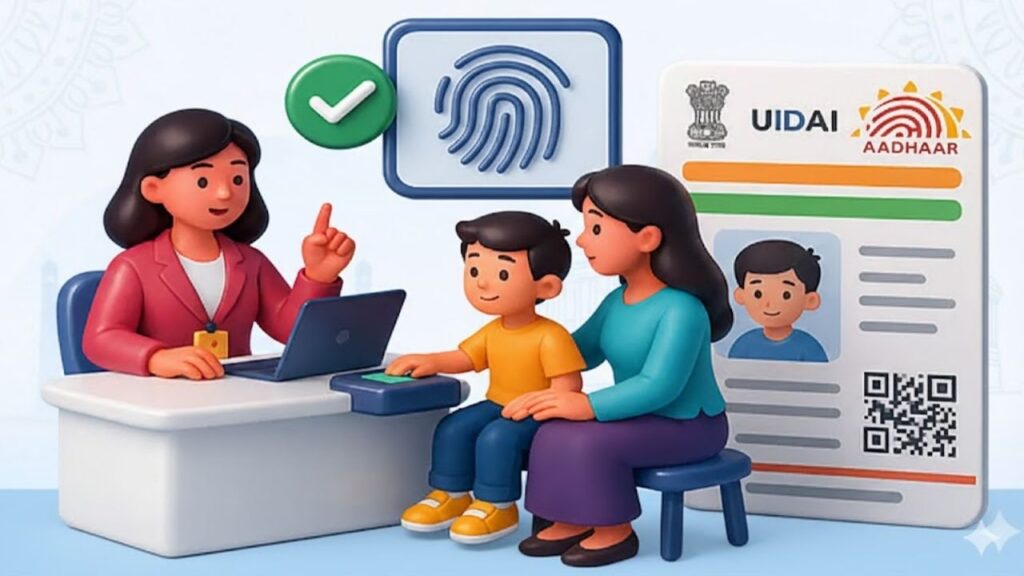
When Aadhaar Update Is Mandatory and When It Is Not
Aadhaar

When Aadhaar Update Is Mandatory and When It Is Not

Many people worry about Aadhaar updates because banks, government offices, and service providers often ask for “updated Aadhaar.” However, not every Aadhaar holder is required to update their details every time. Knowing exactly when Aadhaar update is mandatory and when it is optional can save you from unnecessary visits, rejections, and confusion. This guide explains real-life situations where Aadhaar updates are compulsory, cases where they are not required, and how ignoring mandatory updates can cause serious problems. ⭐ Why Aadhaar Updates Matter in Real Life Aadhaar is used for banking, subsidies, SIM verification, tax filing, and many government services. If your Aadhaar details are outdated or incorrect, it can lead to: That’s why UIDAI has clearly defined mandatory and non-mandatory Aadhaar update rules. ⭐ When Aadhaar Update Is Mandatory 📌 Change in Name If your name has changed due to: Updating Aadhaar is mandatory, especially for banking, passport, PAN, and government records. 📌 Change in Address You must update Aadhaar if: Address mismatch is one of the most common reasons for Aadhaar-based service rejection. 📌 Biometric Update (Age-Based Rule) Biometric updates are compulsory at specific ages: Without these updates, Aadhaar may fail authentication in the future. 📌 Photo Mismatch If your Aadhaar photo: Many banks and offices may reject Aadhaar verification, making photo update practically mandatory. 📌 Mobile Number Change (Practical Mandatory) While UIDAI does not legally force mobile updates, it becomes mandatory if: Without a linked mobile number, Aadhaar services become nearly unusable. 📌 Errors in Date of Birth or Gender If DOB or gender is incorrect: Correction becomes mandatory in such cases. ⭐ When Aadhaar Update Is NOT Mandatory ✅ No Change in Personal Details If your: are correct and unchanged, no update is required, even if Aadhaar is several years old. ✅ Aadhaar Validity Has No Expiry Aadhaar never expires. There is no rule that Aadhaar must be updated every 5 or 10 years unless details have changed. ✅ Old Aadhaar Still Works Even older Aadhaar cards: As long as details are accurate and biometrics are updated (where required). ✅ Optional Photo Update If your photo is old but still recognizable, updating it is optional, not compulsory. ⭐ What Happens If You Skip Mandatory Aadhaar Updates Failing to update Aadhaar when required can lead to: Checking your Aadhaar update history helps confirm whether all required updates are already completed. ⭐ How to Know If Your Aadhaar Needs an Update You should review your Aadhaar details if: In such cases, booking an Aadhaar appointment ensures faster and correct updates. ⭐ Common Mistakes People Make Avoiding these mistakes prevents long-term issues. 🔚 Conclusion Aadhaar update is mandatory only in specific situations, not for everyone. If your details are correct and biometrics are updated as required, there is no need for unnecessary changes. However, ignoring mandatory updates can block essential services and benefits. Understanding these rules helps you stay compliant without wasting time. For clear, practical guidance on Aadhaar, banking, and government documentation, visit Sarkari Bakery. ❓ Frequently Asked Questions
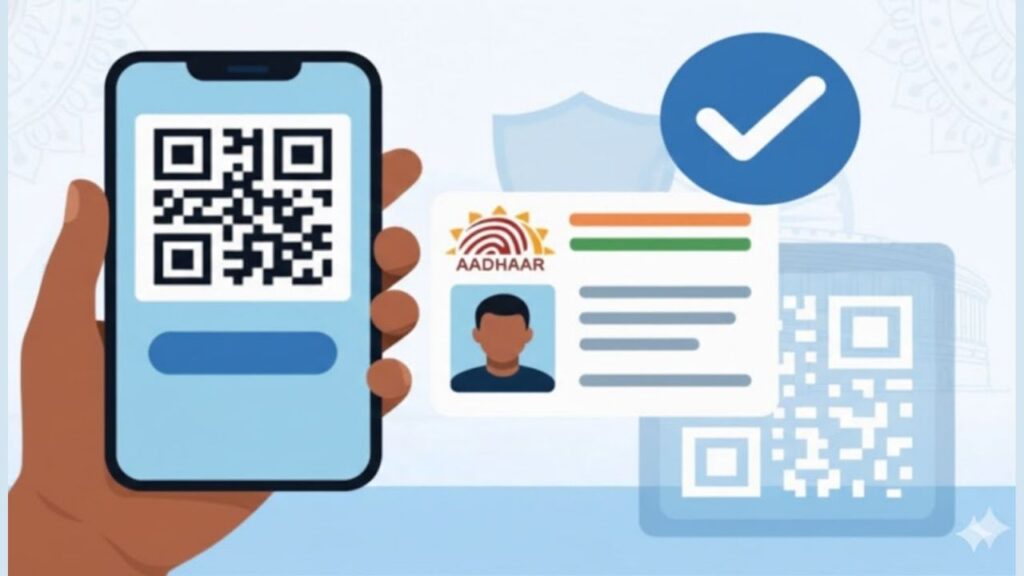
How Aadhaar QR Code Works and Where It Is Used
Aadhaar

How Aadhaar QR Code Works and Where It Is Used

Many people notice a black-and-white square printed on their Aadhaar card but don’t fully understand its importance. This Aadhaar QR Code is not just a design element—it plays a major role in identity verification, security, and quick authentication. Today, Aadhaar QR codes are widely accepted across banks, government offices, and private institutions because they reduce fraud and speed up verification. Understanding how the Aadhaar QR code works can help you use it correctly and avoid unnecessary document rejections. ⭐ What Is an Aadhaar QR Code? The Aadhaar QR Code is a digitally signed, encrypted code generated by UIDAI and printed on Aadhaar cards (both physical and e-Aadhaar). It stores verified Aadhaar details in a machine-readable format. Unlike photocopies or screenshots, the QR code carries tamper-proof data that can be instantly validated using UIDAI-authorised scanners. ⭐ What Information Is Stored in Aadhaar QR Code? The QR code contains limited but verified information, such as: This data cannot be edited or altered manually, which makes it highly reliable. ⭐ How Aadhaar QR Code Works (Step-by-Step) Here’s how the Aadhaar QR code verification process works in real life: This entire process takes just a few seconds. ⭐ Why Aadhaar QR Code Is Considered Secure Aadhaar QR codes are safer than photocopies because: This makes QR-based Aadhaar verification ideal for quick identity checks. ⭐ Where Aadhaar QR Code Is Commonly Used Banking and Finance Government Services Employment and Education Travel and SIM Verification If your Aadhaar details are outdated, you should complete the update first. Checking your Aadhaar update history helps confirm whether the QR data is current. ⭐ Difference Between Aadhaar QR Code and Photocopy Aadhaar QR Code Aadhaar Photocopy Digitally verified Easy to tamper UIDAI signed No authenticity check Works offline Needs manual verification More secure Risk of misuse Because of these differences, many offices now prefer QR code scanning over paper copies. ⭐ Masked Aadhaar QR Code – What You Should Know Masked Aadhaar also contains a QR code, but: This is ideal when you want to protect your Aadhaar number but still prove identity. ⭐ Common Problems People Face With Aadhaar QR Code Some frequent issues include: If your QR code is not readable, downloading a fresh e-Aadhaar or visiting an Aadhaar centre via Aadhaar appointment is the best solution. ⭐ Is Aadhaar QR Code Mandatory Everywhere? Not legally mandatory, but widely accepted and preferred. Many institutions ask for Aadhaar QR code because: In practical terms, QR code-based Aadhaar is becoming the default identity method. ⭐ When Should You Update Aadhaar QR Code? You should update Aadhaar if: After any update, a new QR code is generated automatically. 🔚 Conclusion The Aadhaar QR code is a powerful, secure, and fast identity verification tool that simplifies everyday processes—from banking to government services. Knowing how it works helps you avoid rejections, delays, and unnecessary document hassles. Keeping your Aadhaar details updated ensures the QR code always reflects accurate information. For clear, practical explanations of Aadhaar, banking, and government documentation in simple language, visit Sarkari Bakery. ❓ Frequently Asked Questions
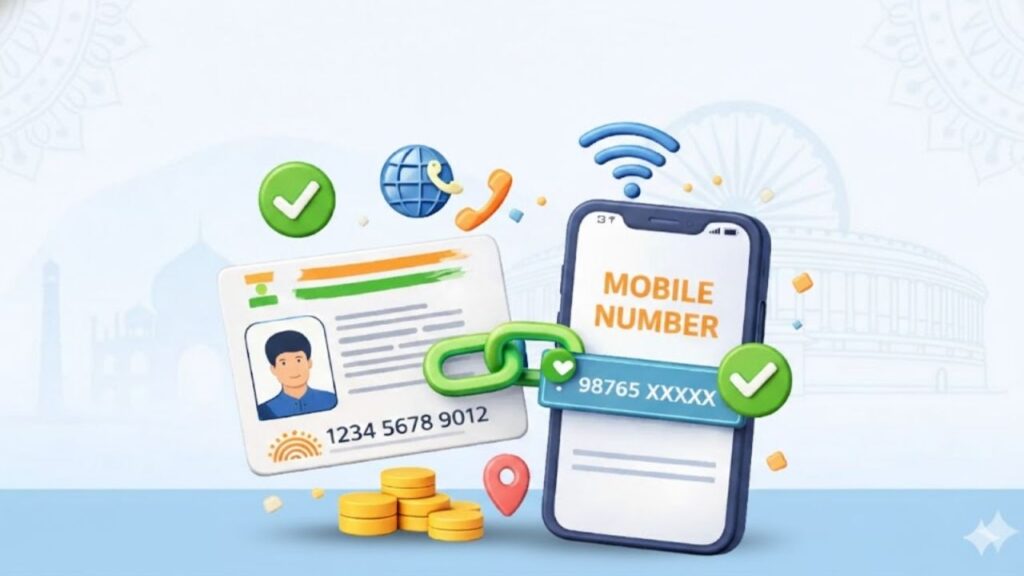
Why Mobile Number Linking With Aadhaar Is Important
Aadhaar

Why Mobile Number Linking With Aadhaar Is Important

Many people face sudden issues while accessing government services, banking, or subsidies—OTP not received, verification failed, or services blocked. In most cases, the root cause is simple: the mobile number is not linked with Aadhaar or is outdated. Aadhaar is no longer just an identity document; it works as a live verification system, and your mobile number plays a critical role in it. Understanding why mobile number linking with Aadhaar is important can help you avoid service disruptions, failed applications, and unnecessary visits to government offices. ⭐ What Does Linking a Mobile Number With Aadhaar Mean? Linking a mobile number with Aadhaar means registering your active phone number in the UIDAI database. This number is used for: Without a linked mobile number, Aadhaar becomes a limited-use document instead of a fully functional digital ID. ⭐ Why Aadhaar-Mobile Linking Is Crucial Today Aadhaar authentication has shifted heavily towards digital verification. Most services now depend on OTP confirmation sent to the registered mobile number. Key reasons why linking is essential: This is why Aadhaar-linked mobile numbers are mandatory for many online and offline processes. ⭐ Where Aadhaar-Linked Mobile Number Is Required A linked mobile number is needed across multiple sectors: Government Services Banking & Finance If you are completing PAN-related formalities, Aadhaar OTP is often required during PAN linking and verification steps. ⭐ Role of Mobile Number in Aadhaar Authentication Whenever Aadhaar is used for verification, UIDAI checks whether the request is authorised by the Aadhaar holder. This happens through: Without this step, Aadhaar authentication fails, even if all details are correct. ⭐ What Happens If Mobile Number Is Not Linked? If your mobile number is not linked with Aadhaar, you may face: Many users discover this problem only when an urgent service fails. ⭐ Common Mistakes People Make These mistakes often lead to Aadhaar-related issues: If your number has changed, booking an Aadhaar appointment for update is the safest way to fix it. ⭐ Is Mobile Number Linking Mandatory? Technically, Aadhaar can exist without a mobile number. However, most Aadhaar-based services will not work without it. In practical terms: That’s why linking is strongly recommended even if not legally mandatory in every case. ⭐ How Secure Is Aadhaar Mobile Linking? UIDAI has strict security protocols: Your mobile number acts as a security layer, not a risk, when used correctly. ⭐ When Should You Update Your Aadhaar Mobile Number? You should update immediately if: Delaying the update can cause repeated failures across multiple services. 🔚 Conclusion Linking your mobile number with Aadhaar is no longer optional in real-life usage. It is the key to authentication, security, and uninterrupted access to banking, government schemes, and digital services. A small update today can save you from major problems later. For clear, practical guidance on Aadhaar updates, banking rules, and government documentation explained in simple language, visit Sarkari Bakery. ❓ Frequently Asked Questions

Scroll to Top