Documents

Passport Approval Delays
Documents

Passport Approval Delays: Real Reasons Most Applicants Don’t Know

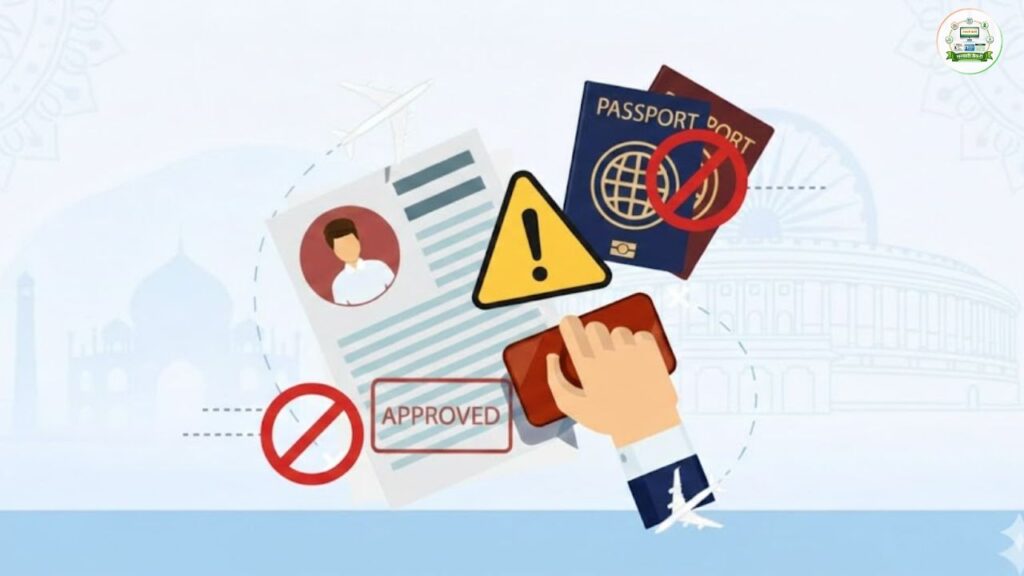
Many applicants assume passport delays happen because the system is slow. In reality, most delays are caused by documentation gaps, verification issues, or minor inconsistencies that applicants overlook. The Indian passport system, governed under the Passports Act, 1967 and managed by the Ministry of External Affairs (MEA), is largely digital and efficient. However, it is also strict. If your passport is stuck at “Under Review” or “Police Verification Pending,” this guide explains the real reasons behind approval delays that most people don’t know. ⭐ 1. Address Mismatch (The #1 Hidden Reason) This is the most common cause of delay. Examples: During police verification, if address proof doesn’t match exactly, the report may be marked incomplete or adverse. Why this causes delay:Police must confirm physical residence. Even small inconsistencies can trigger re-verification. ⭐ 2. Neighbour Verification Failure Many applicants don’t realize that police may speak to neighbours. If neighbours: Verification can be marked doubtful. This is common in: ⭐ 3. Not Being Present During Police Visit If the officer visits and: The file may be marked incomplete. Many applicants assume police will always call first — not always true. ⭐ 4. Criminal Case Disclosure Errors Even minor pending cases must be declared. If a case is discovered during police background check and not disclosed, it may lead to: Traffic challans usually don’t matter. Criminal cases do. ⭐ 5. Signature Mismatch If your signature at PSK differs significantly from your documents, it may create identity concerns. This often happens when: Consistency matters. ⭐ 6. Multiple Addresses in Recent Years If you changed cities recently and didn’t clearly mention previous address, verification may get complicated. Police may need cross-verification from previous jurisdiction. This slows processing. ⭐ 7. Pending Government Dues or Court Orders If there is: Passport issuance may be restricted. Most applicants don’t know such restrictions exist until application stage. ⭐ 8. Incorrect ECR/ECNR Selection If you incorrectly choose ECNR without eligibility, authorities may require clarification. This mostly affects applicants going abroad for employment. ⭐ 9. Tatkal Misunderstanding Tatkal is faster but not a bypass. Many delays happen because: Tatkal does not guarantee immediate approval. ⭐ 10. Name Variation in Documents Example: Even small variations may trigger document clarification request. Always standardize documents before applying. ⭐ 11. Data Entry Errors at Application Stage Applicants sometimes: These errors can redirect file to wrong jurisdiction, causing delay. ⭐ 12. High Application Volume Season Peak seasons: During peak months, even clean applications may take longer. ⭐ 13. Technical Delays in Police Reporting Sometimes delay is not applicant’s fault. Reasons include: However, applicants rarely know this. ⭐ 14. Lost Passport Cases Take Longer If you apply for reissue due to loss: Repeated loss may trigger deeper verification. ⭐ 15. Applying Too Close to Travel Date When applicants mention urgent travel, authorities may scrutinize application more carefully. Applying at the last moment increases risk. ⭐ 16. Incomplete Supporting Documents for Special Cases Cases like: require additional declarations. Missing these causes hold. ⭐ 17. Adverse Police Report (Even Minor) An adverse remark like: can push file into review stage, adding weeks of delay. ⭐ 18. Ignoring Status Updates Many applicants don’t check status regularly. If clarification request is sent and not responded to, file may remain pending. ⏳ How Long Should Approval Take? Normal passport:7–15 working days in metro citiesMay extend to 3–4 weeks depending on verification Tatkal:2–7 working days (subject to clearance) Delays usually happen in verification stage, not PSK stage. ✔ How to Prevent Passport Approval Delays Before applying: ☑ Ensure all documents match exactly☑ Update Aadhaar if needed☑ Use stable address☑ Inform neighbours☑ Keep phone active☑ Disclose all previous details☑ Apply at least 2–3 months before travel Transparency is key. 🔍 What If Your Passport Is Stuck? If status shows:“Under Review” or “Police Verification Pending” for long time: ✔ Visit local police station politely✔ Check if report submitted✔ Contact passport grievance portal if needed Never argue aggressively — cooperative approach works better. 🔚 Conclusion Most passport approval delays are preventable. The system is structured and rule-based. Small inconsistencies, missed calls, and document mismatches create unnecessary complications. If you prepare carefully, disclose accurate information, and cooperate during verification, passport approval is usually smooth. Understanding these hidden delay reasons helps you avoid stress and missed travel plans. For more simplified government process guides and updates, visit Sarkari Bakery. ❓ FAQs

Errors During Passport Application
Documents

Avoid These Costly Errors During Passport Application

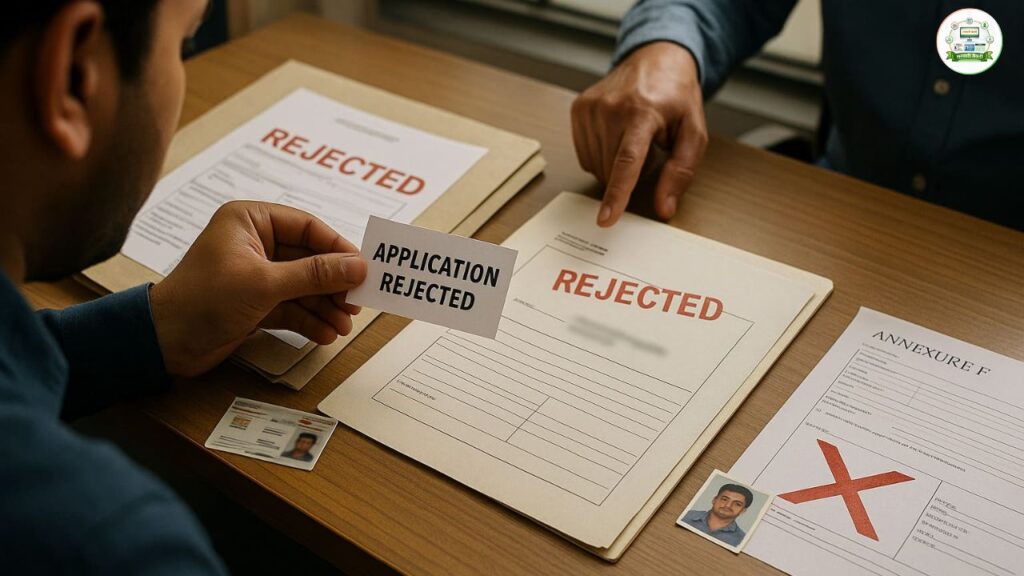
Applying for an Indian passport is now mostly digital and streamlined. Still, thousands of applications get delayed, put on hold, or rejected every month because of small but costly mistakes. A passport is issued under the Passports Act, 1967 by the Ministry of External Affairs (MEA), and every detail you submit is verified. Even minor inconsistencies can trigger police verification issues or file objections. If you want smooth approval without stress, avoid the following common but serious passport application errors. ⭐ 1. Name Mismatch Across Documents This is the most common reason for delays. Examples:❌ Aadhaar says “Rahul Kumar Sharma”❌ 10th marksheet says “Rahul K. Sharma”❌ PAN says “Rahul Sharma” Even small variations can cause scrutiny. ✔ What To Do: Ensure your name is identical in: Correct documents first before applying. ⭐ 2. Wrong Passport Category Selection Many applicants mistakenly apply under: This may lead to rejection or reapplication. ✔ Rule: Fresh = First passportReissue = Any correction, expiry, damage, lost passport ⭐ 3. Incorrect Address Details Police verification is address-based. If your address is incomplete or incorrect: ❌ Wrong PIN code❌ Missing flat number❌ Old address in Aadhaar❌ Temporary address without proof Your verification may fail. ✔ Tip: Use the address where you can physically be present during verification. ⭐ 4. Ignoring Police Verification Calls After PSK visit, your file goes to local police. If:❌ You don’t answer calls❌ You are not at home❌ Neighbours don’t confirm your stay Police may submit an adverse report. Always stay reachable and inform family members. ⭐ 5. Hiding Criminal Cases Even minor pending court cases must be disclosed. If you hide information: Honesty is mandatory. ⭐ 6. Applying With Different Date of Birth Records Mismatch in DOB between: can cause serious delays. Correct your documents first before applying. ⭐ 7. Choosing Tatkal Without Proper Documents Tatkal is faster but stricter. Many applicants assume Tatkal = no police verification. Wrong. Tatkal:✔ Has higher fees✔ Requires additional documents✔ Still requires police verification Incomplete documents under Tatkal may result in rejection. ⭐ 8. Submitting Poor-Quality Document Copies Blurred scans or unclear photocopies may result in objection. Carry:✔ Clear original documents✔ Self-attested photocopies✔ Properly arranged file Avoid last-minute confusion. ⭐ 9. Using Nicknames or Short Forms Do not use: ❌ Nickname❌ Initials only❌ Abbreviations Use your full legal name exactly as per documents. ⭐ 10. Not Checking ECR/ECNR Status If you are: You likely qualify for ECNR. Incorrect selection may create unnecessary emigration restrictions. ⭐ 11. Applying Too Late Before Travel Many people apply 1–2 weeks before travel. This is risky. Even Normal passport can take 2–4 weeks depending on verification. Always apply at least 2–3 months in advance. ⭐ 12. Not Disclosing Previous Passport If you had a passport earlier (even expired): You must declare it. Failure to disclose is treated seriously. ⭐ 13. Lost Passport Without FIR If passport is lost: ✔ File FIR immediately✔ Attach FIR copy during reissue Applying without FIR may lead to rejection. ⭐ 14. Minor Passport Errors For minors: ✔ Birth certificate mandatory✔ Parents’ passports required✔ Consent forms needed Incomplete parental documentation causes delay. ⭐ 15. Ignoring Application Status Updates Track your status regularly. If you receive: Respond quickly. Delay in response may close application. ⭐ 16. Frequent Address Changes Without Clarity If you changed address multiple times: Clearly mention previous addresses in form. Concealing old address can complicate police report. ⭐ 17. Not Carrying All Originals to PSK Many applicants carry only photocopies. Without originals: Always carry originals. ⭐ 18. Relying on Unauthorized Agents Middlemen may: ❌ Fill wrong details❌ Charge extra❌ Provide incorrect advice The official passport system is simple. Apply directly. ⭐ 19. Signature Mismatch Your signature at PSK must match your documents. Inconsistent signatures may cause verification issues. ⭐ 20. Assuming Small Mistakes Don’t Matter In passport processing: Small errors = Big delays. Every detail is legally verified. 🔎 What Happens If You Make a Mistake? Minor mistakes: Major mistakes: Correct information is always safer. ✔ Checklist Before Submitting Passport Application Before final submission, verify: ☐ Name matches all documents☐ DOB matches all documents☐ Correct category selected☐ Address proof updated☐ Previous passport declared☐ Criminal case disclosed (if any)☐ Documents scanned clearly☐ Appointment booked correctly 🔚 Conclusion Most passport application delays happen due to avoidable mistakes. The Indian passport system is efficient, but strict. Accuracy, honesty, and preparation are the keys to smooth approval. If you carefully verify your documents, choose the correct category, and cooperate during police verification, your passport process will be straightforward. For more simplified government process guides and updates, visit Sarkari Bakery. ❓ FAQs

Passport Verification
Documents

How the Passport Verification System Actually Works (India – Simple & Detailed Guide)

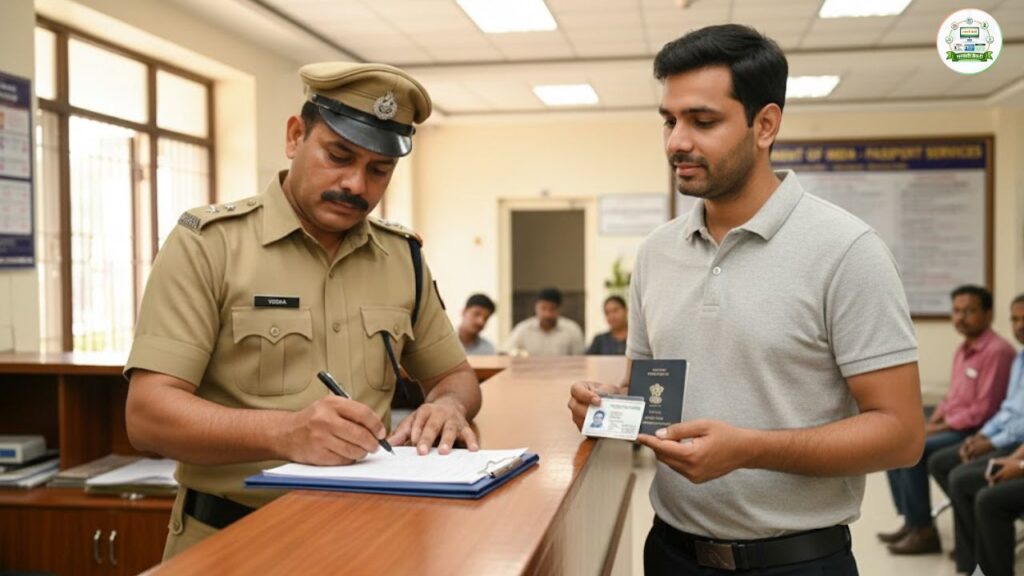
Most people think getting a passport is just about filling a form and visiting a Passport Seva Kendra. But in reality, the passport verification system — especially police verification — is the most important stage in the entire process. Many delays, rejections, and confusion happen because applicants do not fully understand how verification works. This guide explains how the passport verification system actually works in India, what authorities check, what can go wrong, and how to avoid problems. ⭐ Who Handles Passport Verification in India? Passport verification involves two main authorities: 1️⃣ Passport Office (Regional Passport Office – RPO)2️⃣ Local Police Department The passport office processes your application, but the police verify your identity, address, and background before final approval. ⭐ Types of Passport Verification There are mainly three types of verification: 1️⃣ Pre-Police Verification Passport is issued only after police clearance. Common for: 2️⃣ Post-Police Verification Passport is issued first, and police verification happens afterward. Common in: If police report is adverse later, passport can be cancelled. 3️⃣ No Police Verification (Rare Cases) May apply when: This is not common for fresh applicants. ⭐ Step-by-Step: How Passport Verification Actually Happens Let’s break it down clearly. 🔹 Step 1: Application Submission You submit your passport application online and visit the PSK (Passport Seva Kendra). Your biometrics and documents are verified. 🔹 Step 2: File Sent to Police After PSK approval, your file is digitally sent to your local police station based on your address. The police station receives: 🔹 Step 3: Police Officer Assignment A local verification officer (usually from the area police station) is assigned your case. They will: ✔ Visit your address✔ Or call you to visit police station✔ Sometimes both 🔹 Step 4: Physical Address Verification The officer checks: You may be asked to provide: If you are not present during visit, verification may be marked incomplete. 🔹 Step 5: Background Check Police check: Minor traffic challans usually don’t affect passport approval.Serious criminal cases may require court permission. 🔹 Step 6: Police Report Submission After verification, police submit one of the following reports: ✔ Clear / Positive Report❌ Adverse Report⚠️ Incomplete Report The report goes digitally back to the Passport Office. 🔹 Step 7: Final Passport Decision Passport Office reviews the police report. If clear → Passport printed and dispatched.If adverse → Application may be rejected or put on hold. You will receive SMS/email updates. ⭐ What Causes Adverse Police Reports? Many people assume criminal cases are the only issue — but that’s not true. Common reasons: ❌ Applicant not found at address❌ Address mismatch in documents❌ Neighbours deny knowledge❌ Fake rental agreement❌ Signature mismatch❌ Suppressing criminal case❌ Multiple addresses without clarity Small inconsistencies can delay approval. ⭐ How Long Does Passport Verification Take? Average timelines: Metro cities: 3–10 daysSmaller cities: 7–15 days Delays may occur due to: Tatkal may still require post-verification. ⭐ Does Tatkal Skip Police Verification? No. Tatkal speeds up issuance but: ✔ Police verification is still mandatory✔ Passport can be cancelled later if verification fails Never assume Tatkal bypasses checks. ⭐ What If Police Verification Fails? If adverse report is submitted: You can reapply after correcting issues. ⭐ Special Situations in Verification 🔹 Living on Rent Keep proper rental agreement + landlord confirmation. 🔹 Living in PG/Hostel Provide bonafide letter and stay proof. 🔹 Frequent Address Change Mention previous addresses clearly. 🔹 Criminal Case Pending Court permission may be required. 🔹 Government Employee Department verification may simplify process. ⭐ How to Make Passport Verification Smooth ✔ Use correct address with proper proof✔ Be present at home during verification✔ Keep neighbours informed✔ Answer questions honestly✔ Keep documents ready✔ Respond quickly to police calls✔ Track status online regularly Transparency avoids trouble. ⭐ Can Passport Be Cancelled After Issuance? Yes. If post-police verification reveals: Passport may be cancelled under the Passport Act. ⭐ Is Neighbour Confirmation Mandatory? In many areas, yes. Police may ask neighbours: It is part of identity confirmation, not harassment. ⭐ Does Minor Passport Require Police Verification? Depends on case. If parents hold valid passports with no adverse records, verification may be simpler. 🔚 Conclusion The passport verification system in India is designed to ensure identity authenticity and national security. Most delays are caused not by the system, but by inaccurate information or incomplete documents. If you provide truthful details, correct address proof, and cooperate with police verification, the process is usually smooth. Understanding how verification actually works removes fear and helps you prepare properly. For more simplified guides on government processes, visit Sarkari Bakery. ❓ FAQs

Indian Passport
Documents

Passport Rules in India Explained in Simple Words

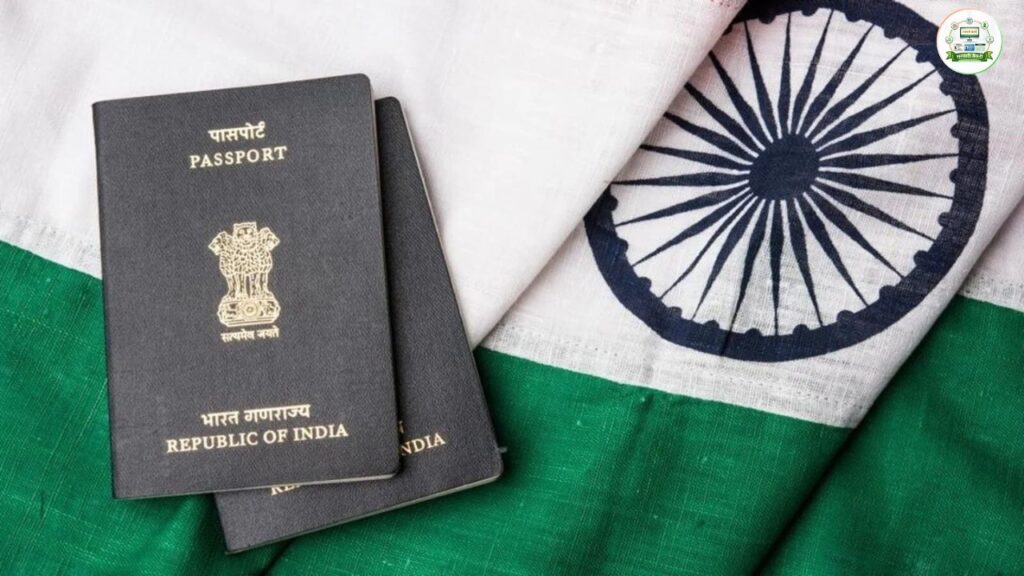
A passport is one of the most important identity documents for any Indian citizen. It allows you to travel abroad, apply for visas, take up overseas jobs, pursue higher education, and even serve as strong identity proof within India. However, many people get confused about passport rules — validity, police verification, Tatkal processing, name changes, minor passports, ECR status, and renewal timelines. This guide explains passport rules in India in simple and practical language, so you clearly understand what is allowed, what is mandatory, and what mistakes to avoid. ⭐ 1. Who Can Apply for an Indian Passport? Any Indian citizen can apply for a passport, provided: ✔ You are an Indian citizen✔ You provide valid identity & address proof✔ You are not restricted by any court order✔ You do not have pending serious criminal restrictions without permission Even minors can apply through their parents. ⭐ 2. Types of Indian Passports 🟦 Ordinary Passport (Blue Cover) Issued to regular citizens for personal travel. 🟥 Diplomatic Passport (Maroon Cover) Issued to diplomats and high-ranking officials. ⬜ Official Passport (White Cover) Issued to government officials traveling on official work. Most citizens apply for the ordinary passport. ⭐ 3. Passport Validity Rules For Adults For Minors Important Rule:Most countries require minimum 6 months validity for travel. Always renew early. ⭐ 4. Fresh Passport vs Reissue Rules Fresh Passport For first-time applicants. Reissue Required If: Applying under wrong category may cause delay. ⭐ 5. Police Verification Rules Police verification is mandatory in most cases. Two Types: ✔ Pre-Police Verification – Passport issued only after police clearance✔ Post-Police Verification – Passport issued first, verification later When Verification May Fail: ❌ Wrong address❌ Applicant not available❌ Neighbour disputes❌ False information❌ Criminal case not disclosed Always ensure someone is present during verification visit. ⭐ 6. Tatkal Passport Rules Tatkal scheme allows faster processing. Important Points: Tatkal does not mean approval without background checks. ⭐ 7. ECR and ECNR Rules ECR stands for Emigration Check Required. ECR Applies To: ECNR Applies To: Most educated applicants qualify for ECNR. ⭐ 8. Address Change Rules If you move to a new house: ✔ Apply for reissue✔ Provide valid address proof✔ Police verification will happen at new address Temporary rental without proof may create complications. ⭐ 9. Name Change Rules If you change your name after marriage, divorce, or personal choice: ✔ Provide marriage certificate or affidavit✔ Gazette notification may be required✔ Update all documents before applying Mismatch in documents causes delay. ⭐ 10. Passport Rules for Minors For minor passport: ✔ Birth certificate mandatory✔ Parents’ passports required✔ Consent of both parents needed If one parent is unavailable, additional declaration required. ⭐ 11. Lost or Damaged Passport Rules If passport is lost: Repeated loss may attract strict review. ⭐ 12. Criminal Case Rules If criminal case is pending: Always disclose truthfully. ⭐ 13. Passport Application Mistakes to Avoid ❌ Spelling errors in name❌ Different date of birth in documents❌ Wrong PIN code❌ Incomplete address proof❌ Hiding previous passport details❌ Ignoring police calls Small errors cause big delays. ⭐ 14. Processing Time Rules (Approx.) Normal passport: 2–4 weeksTatkal passport: 2–7 working days Metro cities may be faster. Delays mostly occur due to police verification issues. ⭐ 15. Passport Renewal Rules You can apply for renewal: ✔ 1 year before expiry✔ Even after expiry Expired passport is not valid for travel. ⭐ 16. Important Legal Rules Under Passport Act Honesty in application is mandatory. ⭐ 17. When Passport Can Be Rejected Passport may be refused if: ❌ Fake documents submitted❌ Court restrictions exist❌ Serious criminal history undisclosed❌ Security concerns arise In such cases, written reason is provided. ⭐ 18. Practical Tips for Smooth Passport Approval ✔ Apply early✔ Keep documents consistent✔ Ensure Aadhaar details are correct✔ Attend appointment on time✔ Be available for police visit✔ Track status regularly Avoid agents or middlemen. 🔚 Conclusion Passport rules in India are clear but strict. Most problems arise not because of the system, but because applicants make small mistakes in documentation or verification. If you understand the rules — validity, police verification, Tatkal limitations, ECR status, and reissue requirements — you can avoid delays and get your passport smoothly. Plan early, keep documents accurate, and respond quickly to verification processes. For more simplified government process guides, visit Sarkari Bakery. ❓ FAQs

Indian Passport
Documents

The Complete Guide to Getting an Indian Passport Without Mistakes

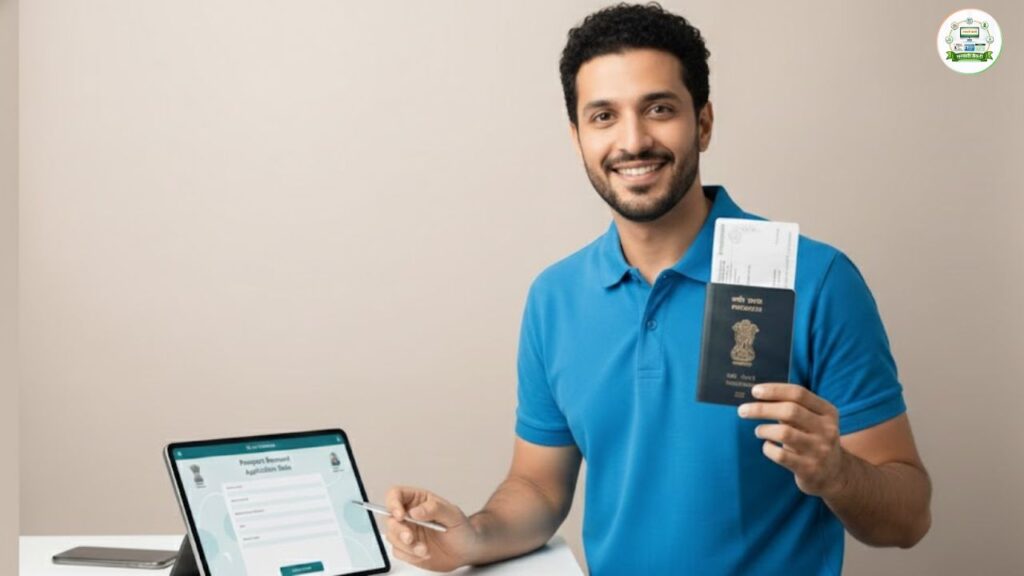
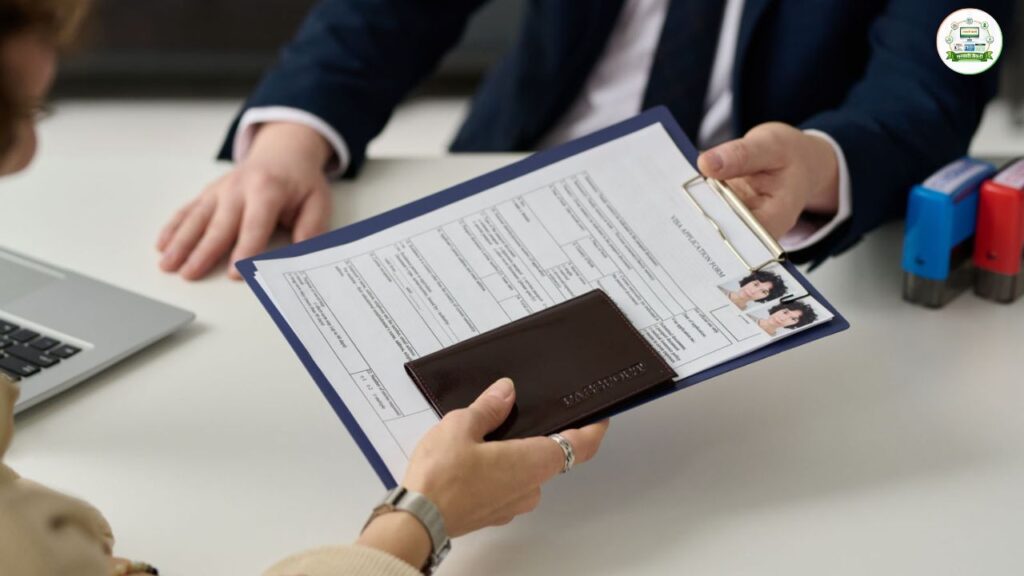
Applying for an Indian passport looks simple on paper — fill form, book appointment, visit centre, wait for delivery. But in reality, many applicants face delays due to small errors like name mismatch, wrong category selection, incomplete address proof, or failed police verification. A passport is not just a travel document. It is an official proof of identity and nationality issued under the Passports Act, 1967 by the Ministry of External Affairs (MEA). Whether you need it for studies, job abroad, business travel, immigration, or emergency travel — getting it right the first time saves time, money, and stress. This guide explains the entire passport process step-by-step, including hidden mistakes most people make — so you can apply without rejection or delay. ⭐ Step 1: Understand Which Passport Category You Need Before filling the form, identify the correct category. 🟢 Fresh Passport For first-time applicants. 🔵 Reissue Passport Required if: Selecting the wrong category is one of the most common mistakes. ⭐ Step 2: Prepare Documents Carefully Most rejections happen due to document mismatch. Basic Documents (Adult Fresh Passport) Important rule:Your name, date of birth, and address must match across documents. Even minor spelling differences (e.g., Kumar vs. Kr.) can delay processing. ⭐ Step 3: Fill the Online Application Correctly Register on the official Passport Seva portal and fill the form carefully. Common Errors to Avoid ❌ Typing short forms instead of full names❌ Entering nickname instead of official name❌ Wrong PIN code❌ Incorrect police station details❌ Choosing wrong ECR/ECNR category❌ Hiding previous passport details Always double-check before submission. ⭐ Step 4: Choose Normal or Tatkal Wisely Normal Passport Processing time: 2–4 weeks (depending on police verification). Tatkal Passport Faster processing (2–7 days approx.) but: Tatkal does not guarantee approval if documents are incorrect. ⭐ Step 5: Book Appointment Smartly Appointments at Passport Seva Kendras (PSKs) or Post Office Passport Seva Kendras (POPSKs) fill quickly in peak seasons (April–June). Tips: ✔ Book early morning slots✔ Avoid peak travel season rush✔ Reach 15 minutes before appointment✔ Carry original documents and photocopies Missing appointment may require rebooking and additional delay. ⭐ Step 6: Visit PSK – What Actually Happens Your visit includes three stages: Counter A Document scanning & token verification Counter B Officer verification & questioning Counter C Granting officer approval decision Biometrics (photo, fingerprints) are captured on the same day. Be calm and answer honestly. Officers may ask simple background questions. ⭐ Step 7: Police Verification – The Critical Stage Police verification is where many applications get delayed. Two Types: ✔ Pre-Police Verification – Passport issued after police clearance✔ Post-Police Verification – Passport issued first, verification follows Reasons for Verification Failure ❌ Not available at address❌ Neighbours unaware of you❌ Address mismatch❌ Incomplete documents❌ Criminal case not disclosed Always ensure someone is available at home during verification. ⭐ Step 8: Track Status Regularly After PSK visit, track your application status online. Status stages include: Respond quickly if any action is required. ⭐ Special Cases You Must Handle Carefully 🔹 Name Change After Marriage Provide marriage certificate or joint affidavit. 🔹 Lost Passport File FIR immediately before reissue application. 🔹 Criminal Case Pending Court permission (NOC) may be required. 🔹 Minor Passport Requires consent of both parents. 🔹 Address Change Apply for reissue with valid address proof. ⭐ ECR vs ECNR – Important for Employment Abroad ECR (Emigration Check Required) Applicable mainly to certain categories of workers going to specific countries. ECNR (Emigration Check Not Required) Applicable if: Most educated applicants qualify for ECNR. ⭐ Processing Time Expectations (2026) Metro cities:Normal – 7 to 15 working daysTatkal – 2 to 7 working days Smaller cities may take slightly longer. Delays mostly happen due to police verification issues. ⭐ Biggest Mistakes That Cause Rejection ❌ Applying with different DOB in Aadhaar & marksheet❌ Providing temporary address without proof❌ Hiding previous passport❌ Not disclosing name change❌ Submitting blurred document scans❌ Ignoring police verification call Always maintain transparency. ⭐ Practical Tips to Get Passport Without Delay ✔ Apply at least 3 months before travel plan✔ Keep all documents consistent✔ Check spelling carefully✔ Ensure mobile number is active✔ Keep photocopies ready✔ Be honest about background Avoid middlemen — the official system is simple enough. ⭐ What Happens If Application Is Rejected? If rejected: Minor errors are correctable. Serious concealment can cause long-term complications. 🔚 Conclusion Getting an Indian passport without mistakes is mostly about preparation and accuracy. The system is digitised and transparent, but even small errors can cause unnecessary delay. Understand the correct category, prepare matching documents, be present for police verification, and apply early — especially if international travel is time-sensitive. For more clear government process guides and step-by-step explanations, visit Sarkari Bakery. ❓ FAQs

Indian Passport
Documents

Inside the Indian Passport System: What Every Citizen Should Know

An Indian passport is more than just a travel document. It is an official proof of identity, nationality, and global mobility issued by the Government of India. Yet, many citizens only start understanding the system when they urgently need a passport — for study abroad, job opportunities, business travel, immigration, or emergencies. Delays, police verification issues, documentation confusion, Tatkal misunderstandings, and appointment rescheduling are common problems. This guide explains the Indian passport system in simple, practical terms so you understand how it works, who manages it, and how to avoid costly mistakes. ⭐ Who Manages the Indian Passport System? The passport system in India is governed by the Passports Act, 1967 and administered by the Ministry of External Affairs (MEA). Key authorities involved: The system is largely digitised but still involves physical verification steps. ⭐ Types of Indian Passports 🟢 Ordinary Passport (Blue Cover) Issued to regular Indian citizens for personal travel, tourism, employment, or education. 🔴 Diplomatic Passport (Maroon Cover) Issued to diplomats and senior government officials. ⚪ Official Passport (White Cover) Issued to government representatives traveling on official duty. Most citizens apply for the Ordinary Passport. ⭐ Passport Categories: Fresh vs Reissue Fresh Passport For first-time applicants. Reissue Passport Required when: Many applicants incorrectly apply under the wrong category, causing delays. ⭐ Validity Rules You Should Know Renewal can be initiated up to 1 year before expiry. ⭐ How the Passport Application System Works Step 1: Online Registration Create an account on the Passport Seva portal. Step 2: Fill Application Form Select fresh or reissue category carefully. Step 3: Pay Fee & Book Appointment Payment is mandatory before scheduling appointment. Step 4: Visit PSK/POPSK Biometrics, document verification, and interview. Step 5: Police Verification Local police verify address and background. Step 6: Passport Printing & Dispatch If verification is clear, passport is printed and dispatched via Speed Post. ⭐ Police Verification: Why It Matters Police verification is often the most misunderstood stage. Two types: ✔ Pre-Police Verification – Passport issued only after verification✔ Post-Police Verification – Passport issued first, verification follows Verification may fail due to: Always ensure your address proof matches your application. ⭐ Tatkal vs Normal Passport Normal Passport Standard processing time: 2–4 weeks (varies by region). Tatkal Passport Faster processing (2–7 days approx.), but: Tatkal does not mean “no verification”. ⭐ Common Reasons for Passport Rejection or Delay ❌ Incorrect spelling in application❌ Mismatch in Aadhaar and documents❌ Incomplete address proof❌ Criminal cases not disclosed❌ Pending court cases without proper permission❌ Incomplete police verification Even small errors can delay issuance by weeks. ⭐ Documents Required (General Overview) For most adult fresh passport applications: Always check category-specific requirements before applying. ⭐ ECR vs ECNR Status Explained ECR (Emigration Check Required) Applies mainly to certain categories of workers going to specific countries. ECNR (Emigration Check Not Required) Applies to: Most educated applicants fall under ECNR category. ⭐ Lost or Damaged Passport: What To Do If lost: Repeated loss may attract scrutiny. ⭐ Passport Address Change Rules If you move to a new address: Temporary stay without proof may cause rejection. ⭐ Passport for Minors Minor passports require: If one parent is unavailable, additional declaration may be needed. ⭐ Processing Time in 2026 (Expected Trends) Processing times vary by city, but digitisation has improved turnaround. Metro cities: 7–15 working days (Normal)Tatkal: 2–7 working days (subject to verification) Delays are more common in high-volume cities. ⭐ Important Things Every Citizen Should Remember ✔ Book appointment early during peak season (April–June)✔ Keep original documents and photocopies✔ Reach PSK 15 minutes before appointment✔ Track status online regularly✔ Respond quickly to police verification calls Avoid middlemen or unauthorized agents. ⭐ Is Passport Linked With Aadhaar? Aadhaar is widely accepted as identity and address proof but is not mandatory in all cases. However, linking Aadhaar helps smoother verification. ⭐ Why Understanding the Passport System Matters A passport is often required for: Delays can lead to missed job offers, visa rejection, or travel cancellation. Understanding the system helps avoid unnecessary stress. 🔚 Conclusion The Indian passport system has become more digital and streamlined, but it still requires accuracy, documentation discipline, and timely response from applicants. Most delays occur not because of system inefficiency but due to incorrect applications or verification issues. If you plan to travel abroad or anticipate international opportunities, apply early and ensure all documents are aligned. For more government process guides and simplified explanations, visit Sarkari Bakery. ❓ FAQs

Economically Weaker Section
Documents

Economically Weaker Section (EWS): Eligibility, Income Limit, Certificate Process & Benefits

The Economically Weaker Section (EWS) category was introduced to provide reservation benefits to financially weaker individuals from the general (unreserved) category in India. Many students and job aspirants search for EWS details when applying for government jobs, competitive exams, or admissions in central and state institutions. If your family income is below ₹8 lakh per year and you do not belong to SC, ST, or OBC categories, you may be eligible for EWS reservation. Understanding the correct income limits, property conditions, and certificate process is essential to avoid rejection during verification. ⭐ What is Economically Weaker Section (EWS)? EWS refers to individuals belonging to the general category whose family income and assets fall below the prescribed limits set by the Government of India. In 2019, the government introduced a 10% reservation quota for EWS candidates in: This 10% reservation is separate and additional to the existing 50% reservation for SC, ST, and OBC categories. ⭐ Who Can Apply Under EWS Category? To qualify under EWS, a person must: This reservation is purely based on economic conditions, not caste. ⭐ EWS Eligibility Criteria To apply for EWS benefits, you must meet all of the following conditions: 1️⃣ Category Requirement 2️⃣ Income Limit If family income exceeds ₹8 lakh, EWS status will not be granted. 3️⃣ Land Ownership Criteria If your family owns more than 5 acres, you are not eligible. 4️⃣ Residential Property Criteria If property size exceeds limits, application may be rejected. ⭐ Benefits of EWS Reservation Eligible candidates receive: ✔ 10% reservation in central government jobs✔ 10% reservation in central educational institutions✔ Reservation in competitive exams✔ Relaxation in cut-offs in some cases✔ Equal opportunity for economically weaker general category candidates ⭐ How to Get an EWS Certificate? You must obtain an EWS certificate to claim reservation benefits. You can apply: ⭐ Steps to Apply for EWS Certificate (Online Process) ⭐ Offline Application Process Processing time usually ranges from 7 to 21 days, depending on the state. ⭐ Documents Required for EWS Certificate You may need: Always carry original documents for verification. ⭐ Validity of EWS Certificate ⭐ Common Reasons for EWS Certificate Rejection ❌ Income exceeds ₹8 lakh❌ Property size above limit❌ Incorrect income calculation❌ Incomplete documents❌ Wrong category selection❌ False declaration Always ensure accurate details to avoid legal issues. ⭐ Important Points to Remember ⭐ Conclusion The Economically Weaker Section (EWS) reservation is an important step toward supporting financially disadvantaged individuals from the general category. By offering 10% reservation in government jobs and educational institutions, it ensures better access to opportunities for those meeting income and property conditions. Before applying, carefully verify your eligibility and ensure all documents are accurate to avoid rejection during verification. For more simplified guides on government schemes and certificates, visit Sarkari Bakery. ⭐ Frequently Asked Questions

What Is Form 16
Documents

What Is Form 16 and Why Is It Important for Salaried Employees in India

If you are a salaried employee in India, Form 16 is one of the most important documents you receive every year. Yet, many people either ignore it or don’t fully understand its value until they face issues while filing their income tax return or responding to a notice from the Income Tax Department. Form 16 is not just a certificate—it is proof that your employer has deducted tax correctly and deposited it with the government. Knowing how it works can save you from filing errors, refund delays, and unnecessary stress. ⭐ What Is Form 16? Form 16 is a TDS certificate issued by an employer to an employee under Section 203 of the Income Tax Act. It shows: In simple terms, Form 16 confirms that tax deducted from your salary has actually reached the Income Tax Department. ⭐ Who Issues Form 16 and When? Form 16 is issued by: It is usually issued after the end of the financial year, generally by June 15 of the following year. If no TDS is deducted because your income is below the taxable limit, the employer is not legally required to issue Form 16. ⭐ Structure of Form 16 Explained Form 16 has two parts, and both are equally important. ⭐ Part A – TDS Details Part A contains: This part is generated directly from the income tax system, making it highly reliable. ⭐ Part B – Salary Breakup Part B gives a detailed calculation of your income: This section helps you understand how your final tax was calculated. ⭐ Why Form 16 Is So Important Form 16 plays a crucial role in multiple situations: It also helps you clearly understand how income tax works in practical terms, not just theory. ⭐ Is Form 16 Mandatory for Filing ITR? Form 16 is not mandatory, but it is highly recommended. You can still file your return using: However, Form 16 makes filing easier and reduces chances of mismatch, especially if you want to avoid problems related to missed ITR filing or incorrect income reporting. ⭐ Common Mistakes People Make with Form 16 Many taxpayers face issues because of small but costly mistakes: Always cross-check figures before using it for filing. ⭐ What If You Change Jobs in a Year? If you worked for more than one employer in a financial year: This is a common reason for tax notices among job-switchers. ⭐ Difference Between Form 16 and Form 26AS Many people confuse these two: Form 26AS shows all tax-related entries, including salary, interest, and other income. Form 16 only reflects salary income. Both should ideally match. ⭐ What If You Don’t Receive Form 16? If Form 16 is delayed or not provided: An employer cannot refuse Form 16 if TDS has been deducted. ⭐ How Long Should You Keep Form 16? It is advisable to keep Form 16 for: Old Form 16s are often required during audits, notices, or loan applications. 🔚 Conclusion Form 16 is more than just a yearly document—it is a complete snapshot of your salary income and tax compliance. Understanding it properly helps you file returns correctly, claim refunds smoothly, and stay safe from unnecessary tax scrutiny. Always review your Form 16 carefully instead of treating it as a formality. For clear, practical guides on income tax, documents, and government processes, visit Sarkari Bakery. ❓ Frequently Asked Questions

Gazette Notification for Name Change
Documents

Gazette Notification for Name Change – Complete Process, Documents & Rules

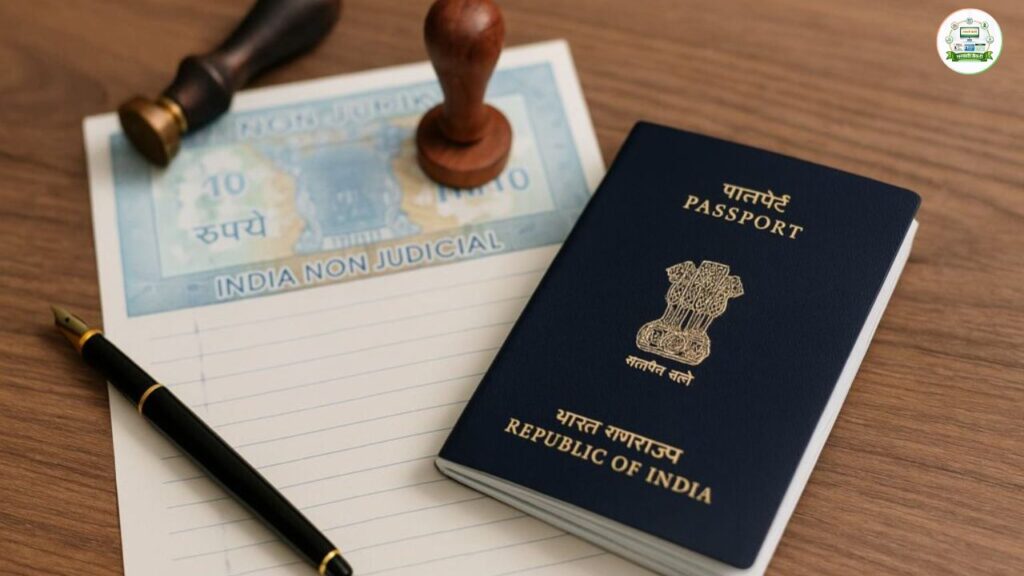
A Gazette Notification for Name Change is the most authentic and legally accepted proof of a person’s name change in India. Whether you are changing your name after marriage, correcting a spelling mistake, adopting a new name, or changing your surname, a gazette notification officially records your new name in government records. Many government departments, banks, courts, passport offices, and educational institutions rely on the gazette notification as final legal evidence of a name change. What Is a Gazette Notification for Name Change? A gazette notification is an official publication issued by the Government of India or a State Government that publicly announces a person’s name change. Once published, the new name becomes legally valid and can be used across all official documents. After gazette publication, the old name and the new name are permanently linked in government records, making future verification easy and legally sound. When Is Gazette Notification Required? A gazette notification is required in many common situations, such as: While some private institutions may accept an affidavit or newspaper publication, government authorities usually demand a gazette notification. Gazette Notification vs Newspaper Name Change Many people confuse newspaper publication with gazette notification. Both are different. A newspaper advertisement is usually the first step and acts as public notice.A gazette notification is the final legal confirmation issued by the government. For passports, government jobs, and official records, gazette notification carries much higher legal value. Types of Gazette Notifications There are mainly two types of gazette notifications for name change: Central Gazette Issued by the Department of Publication, Government of India.Accepted nationwide and preferred for central government documents. State Gazette Issued by the respective State Government.Valid for state-level services and documents. Documents Required for Gazette Notification for Name Change To apply for a gazette notification, the following documents are generally required: Requirements may slightly vary between states or central gazette offices. Step-by-Step Process for Gazette Notification for Name Change Step 1: Prepare a Name Change Affidavit An affidavit is prepared on stamp paper stating the old name, new name, reason for change, and personal details. It must be notarized. Step 2: Newspaper Publication Publish the name change notice in one or two newspapers (regional and/or English), mentioning the old name and new name. Step 3: Apply for Gazette Notification Submit the application form along with documents to the State Gazette Office or Central Department of Publication. Step 4: Payment of Fees Pay the prescribed government fee through demand draft or online payment, depending on the authority. Step 5: Verification and Publication After verification, the name change is published in the official gazette. Step 6: Receive Gazette Copy You receive a physical or digital copy of the gazette notification, which serves as permanent legal proof. How Long Does Gazette Notification Take? The processing time usually ranges from 15 to 45 days, depending on the state, workload, and whether documents are complete and accurate. Is Gazette Notification Mandatory for Passport Name Change? In many cases, especially for complete name changes or major corrections, the passport office asks for a gazette notification. Minor spelling corrections may be accepted with an affidavit and newspaper publication, but a gazette notification avoids rejection and delays. Benefits of Gazette Notification for Name Change Common Mistakes to Avoid Accuracy is critical because once published, corrections are time-consuming. Final Words A Gazette Notification for Name Change is the safest and most reliable way to officially change your name in India. While the process may look lengthy, it protects you from future legal and documentation problems. For easy-to-understand government procedures, document guidance, and application help, many users rely on Sarkari Bakery to navigate such processes smoothly without confusion.

Residential Address
Documents

🏠 Residential Address – Meaning, Importance, Accepted Documents & Complete Details

A Residential Address is one of the most commonly asked details in government forms, banking services, education applications, and online registrations. Despite being simple, many applications get delayed or rejected because people either misunderstand what a residential address is or submit the wrong supporting documents. Understanding residential address properly helps you avoid unnecessary errors and ensures smooth verification. 📌 What Is a Residential Address? A Residential Address is the actual place where a person currently lives on a regular basis.It refers to your present living location, not a business address or an office address. A residential address usually includes: 👉 Simply put, it is the address where you sleep, stay, and receive personal communication. ❓ Why Is Residential Address Important? Residential address is required because it helps authorities confirm where you live and which jurisdiction you fall under. It is important for: Many benefits and services are location-based, so an incorrect residential address can lead to rejection. 📄 Accepted Documents as Residential Address Proof Below are documents that are commonly accepted as valid residential address proof: ✅ Government-Approved Documents ✅ Utility Bills (Recent) (Usually must be issued within the last 2–3 months) ✅ Banking & Financial Documents ✅ Housing-Related Documents ✅ Employer / Institutional Proof (In Some Cases) ⚠️ Acceptance depends on the specific department or portal, but these are generally valid. ❌ Documents NOT Accepted as Residential Address Proof Many people upload documents that look genuine but are not accepted. Common examples include: 👉 These documents may show identity or date of birth, but not residential proof. 🔄 Residential Address vs Permanent Address Many forms ask for both. The difference is important. If both are the same, you can select “Same as Residential Address.”If different, you must provide separate details and documents. 🏢 Where Is Residential Address Required? Residential address is mandatory in many situations, such as: Even a small mismatch can cause verification failure. ⚠️ Common Mistakes People Make Avoid these frequent errors: These mistakes often lead to application rejection or delay. 🛠️ What If You Don’t Have Address Proof in Your Name? If you live in a rented house or with family: Always check the specific guidelines of the service you are applying for. 🎯 Tips for Using Residential Address Correctly 🏁 Final Understanding A Residential Address is not just a formality—it is a key detail used to verify your identity, location, and eligibility for services. Providing the correct address with valid supporting documents saves time and prevents unnecessary rejections. For simple explanations on document requirements, address proof rules, and government applications, Sarkari Bakery provides practical guidance that helps users complete their work without confusion.

Scroll to Top