Understanding Passport Categories and Their Importance (India 2026 Guide)
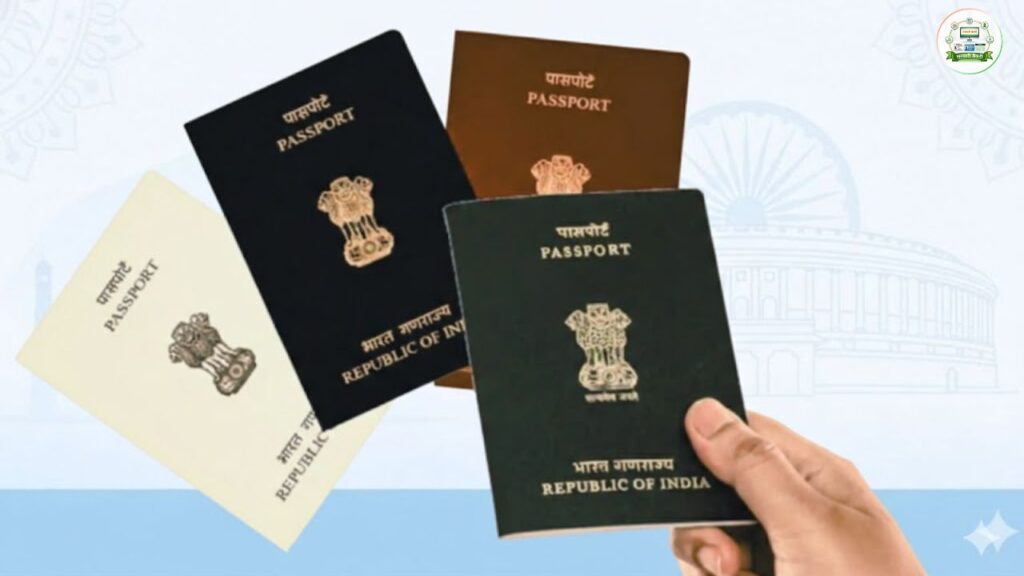
When applying for an Indian passport, many people focus only on filling the form and booking an appointment. However, selecting the correct passport category is equally important. Choosing the wrong category can delay your application, trigger additional verification, or even lead to rejection. This guide explains the different passport categories in India, what they mean, and why selecting the right one matters. What Are Passport Categories? Passport categories refer to the type of passport application and booklet you are applying for, based on your situation. They determine: Understanding them helps avoid mistakes during application. 1️⃣ Fresh Passport This category is for: Key Points If you had a passport before (even expired), do NOT select Fresh. 2️⃣ Reissue of Passport This is the most commonly misunderstood category. Reissue applies when: There is no separate “renewal” category in India.Renewal is processed under Reissue. 3️⃣ Normal Passport Scheme Under this scheme: Suitable when travel is not urgent. 4️⃣ Tatkal Passport Scheme Tatkal is the fast-track option. Features Important: Tatkal is not guaranteed approval. Documents must be correct. 5️⃣ Passport Booklet Types When applying, you must choose between: 36-Page Booklet 60-Page Booklet Choosing the correct booklet avoids running out of pages quickly. 6️⃣ ECR vs ECNR Category This category relates to emigration clearance. ECR (Emigration Check Required) Applies to: ECNR (Emigration Check Not Required) Applies to: Selecting the wrong category may cause travel restrictions later. 7️⃣ Minor Passport Category For applicants under 18 years: Minor category has different documentation rules. 8️⃣ Diplomatic and Official Passport These are not for general public. Diplomatic Passport (Maroon Cover) Issued to: Official Passport (White Cover) Issued to: Most citizens apply for ordinary passport (blue cover). Why Choosing the Right Category Is Important Selecting the correct category ensures: ✔ Faster processing✔ Correct police verification✔ Proper fee calculation✔ Avoidance of rejection✔ Accurate passport validity Wrong category may cause: Common Category Mistakes Double-check before submitting. How to Select the Correct Category Before applying, ask yourself: Answering these helps select correct option. Can Category Be Changed After Submission? In most cases, once application is submitted: Always review carefully before payment. Final Checklist Before Applying ✔ Correct category selected✔ Proper scheme chosen (Normal/Tatkal)✔ Booklet size selected carefully✔ ECR/ECNR status verified✔ Previous passport details entered This prevents unnecessary delays. Conclusion Passport categories are not just formality — they directly affect how your application is processed. Whether it’s Fresh, Reissue, Normal, Tatkal, or selecting the correct ECR status, every choice matters. Understanding these categories ensures smoother approval, fewer complications, and timely passport issuance. For more simplified guides on passport rules and government documentation, visit Sarkari Bakery. FAQs