Author name: Nibha

SBI Debit Card Tracking
Banking

SBI Debit Card Tracking – How to Track SBI Debit Card Delivery Status Easily

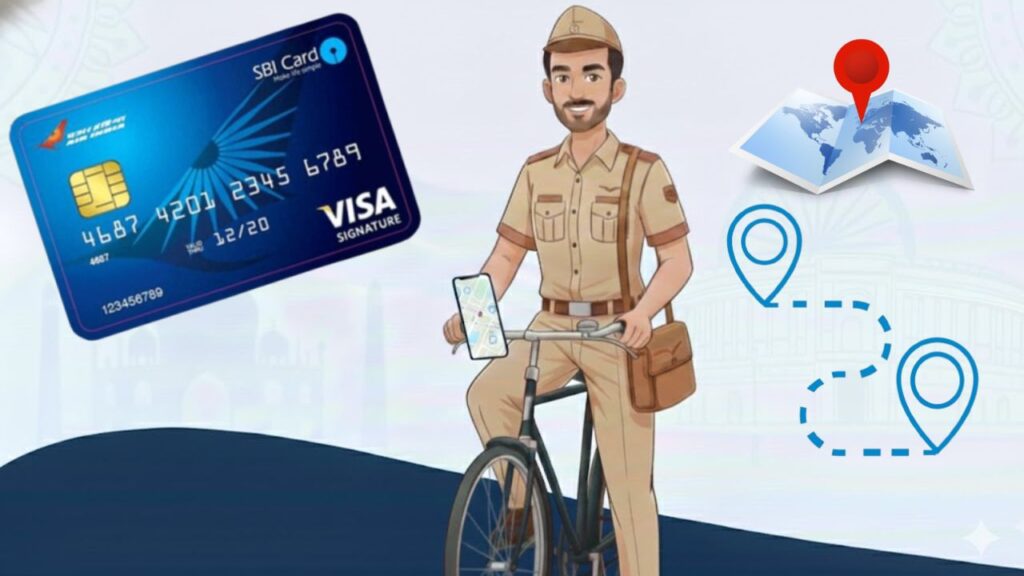
After applying for a new or replacement SBI debit card, the most common question customers ask is: “Where is my ATM card and when will it arrive?” State Bank of India (SBI) dispatches debit cards through India Post Speed Post and shares tracking details via SMS. However, many users either miss the SMS or lose the tracking number. The good news is that SBI offers multiple ways to check debit card delivery status — online and offline. This detailed guide explains all tracking methods clearly, including Speed Post tracking, YONO app, Net Banking, and customer care support. ⭐ Key Highlights ⭐ How to Track SBI Debit Card? You can track your SBI debit card using the following methods: Method How It Works India Post (Speed Post) Use tracking number received via SMS SBI Customer Care Call toll-free number SBI Net Banking Login and track under e-Services SBI YONO Lite App Track through Manage Cards section Without Reference Number Use Net Banking / YONO / Call support Let’s understand each method in detail. ⭐ SBI Debit Card Tracking Through Speed Post Once SBI dispatches your card, you will receive an SMS containing a Speed Post tracking number. Steps to Track via India Post: You will see: If status shows “Delivered” but you haven’t received the card, contact your local post office immediately. ⭐ SBI Debit Card Tracking via Customer Care If you do not have the tracking number, you can call SBI customer care. Toll-Free Numbers: 📞 1800 1234📞 1800 2100 Steps: You may also receive an SMS confirmation after the call. This method works even without a Speed Post reference number. ⭐ SBI Debit Card Tracking Using YONO Lite App The YONO Lite SBI app is one of the fastest tracking methods. Steps: You will see: This is useful if SMS tracking details were deleted. ⭐ SBI Debit Card Tracking Through Net Banking If you use SBI Internet Banking, follow these steps: You will see dispatch and delivery details instantly. ⭐ SBI Debit Card Tracking Without Reference Number Many customers lose the SMS containing the Speed Post number. Don’t worry. You can track without reference number by: ✔ Logging into YONO Lite app✔ Logging into SBI Net Banking✔ Calling SBI customer care✔ Visiting your home branch There is no separate tracking using only account number on India Post website. Account number selection is available only within SBI digital channels. ⭐ How Long Does SBI Debit Card Take to Arrive? Typically: If your card is not delivered within 10–12 working days, raise a complaint. ⭐ What to Do If Card Is Not Delivered? If delivery is delayed: Sometimes delivery fails due to: Ensure your address is updated in bank records. ⭐ How Is SBI Debit Card Delivered? After receiving the card, activate it via: ⭐ Common Tracking Problems & Solutions Problem: Tracking number not working ✔ Wait 24 hours after SMS✔ Recheck number carefully Problem: Status shows delivered but not received ✔ Check with family members✔ Contact local post office Problem: No SMS received ✔ Login to YONO / Net Banking✔ Call customer care 🔚 Conclusion SBI debit card tracking is simple and can be done through Speed Post, Net Banking, YONO Lite app, or customer care. Most cards are delivered within 5–10 working days after dispatch. If you lose your tracking number, SBI digital channels allow you to check status without it. Always ensure your address and mobile number are updated with the bank to avoid delivery delays. For more easy-to-understand banking guides, visit Sarkari Bakery. ❓ Frequently Asked Questions
ICICI Net Banking
Banking

ICICI Net Banking: Registration, Login, Activation, Limits & Customer Care Details

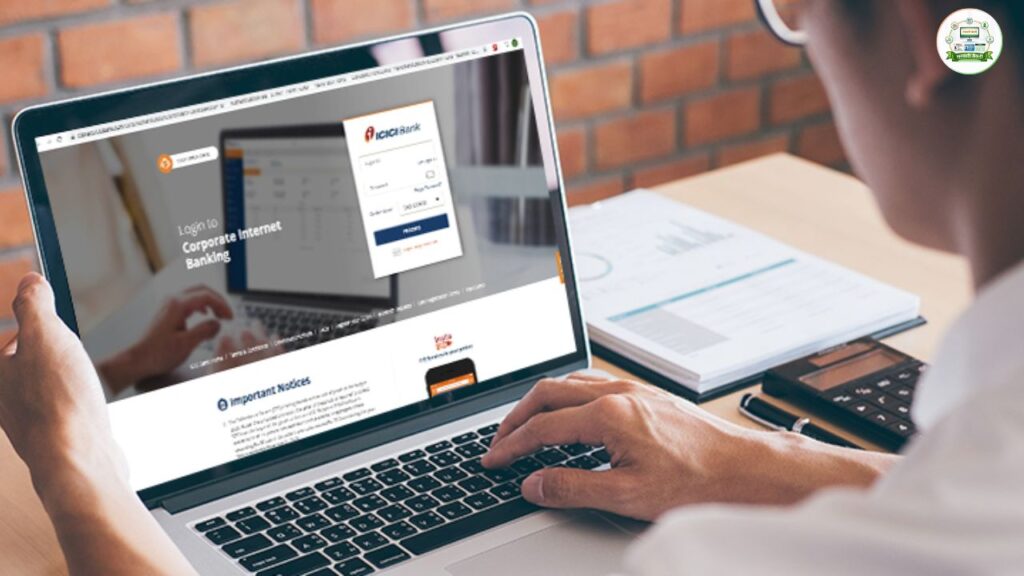
ICICI Net Banking allows customers to manage their bank accounts online without visiting a branch. From fund transfers and bill payments to fixed deposits and service requests, almost every banking activity can be handled digitally. Many users, however, struggle with registration, password reset, activation, login errors, or transaction limits. This detailed guide explains everything clearly — step by step — so you can use ICICI Bank’s online services confidently and securely. ⭐ What Is ICICI Net Banking? ICICI Net Banking is an online banking platform that enables customers to: The service is available 24×7 and reduces dependency on physical branch visits. ⭐ ICICI Net Banking Registration 1️⃣ User ID Through Welcome Kit When you open an account with ICICI Bank, you receive a Welcome Kit. It contains: If you already have the User ID, you do not need separate registration. You only need to generate your password. 2️⃣ If You Lost the Welcome Kit You can retrieve your User ID by: Steps to Get User ID Online: ⭐ How to Activate ICICI Net Banking Once you have your User ID, follow these steps: After this, your net banking account becomes active. ⭐ ICICI Bank Net Banking Login Process Personal Login Login Using Mobile Number This option is helpful if you forget your User ID. ⭐ ICICI Corporate Net Banking Login For business accounts: Corporate accounts have higher transaction limits and multi-user access. ⭐ ICICI Net Banking Password Reset If you forgot your password: Avoid sharing OTP or card details with anyone. ⭐ ICICI Net Banking Features ICICI’s online banking portal offers: ✔ Customisable dashboard✔ Drag-and-drop shortcuts✔ 24×7 access✔ Secure authentication✔ Unified transaction password✔ Easy fund transfers✔ Instant credit card bill payment✔ Online FD/RD creation✔ Service request tracking The interface is designed for ease of use, even for first-time users. ⭐ ICICI Net Banking Transaction Limits Below are general limits (may vary by customer segment): IMPS (Account + IFSC) IMPS (Mobile + MMID) NEFT (1 AM – 7 PM) NEFT (Other hours / Holidays) RTGS (1 AM – 7 PM) Limits depend on account type and customer profile. ⭐ Documents Required for ICICI Net Banking You need: No physical paperwork is required for activation if your mobile number is registered. ⭐ What Happens After 3 Wrong Login Attempts? If you enter wrong credentials three times: Always use the “Forgot Password” option instead of guessing. ⭐ ICICI Net Banking Customer Care For net banking issues, call: 📞 1800 1080 (Toll-Free) You can also: Keep your account details ready while calling. ⭐ Common Net Banking Problems & Solutions Problem: OTP Not Received ✔ Check mobile network✔ Ensure mobile number is registered Problem: Grid Card Error ✔ Enter correct digits from debit card✔ Avoid multiple incorrect attempts Problem: Payment Failed ✔ Check bank balance✔ Retry after 10–15 minutes Problem: Account Locked ✔ Reset password immediately ⭐ Security Tips for ICICI Net Banking ✔ Never share OTP✔ Avoid public Wi-Fi✔ Logout after use✔ Change password periodically✔ Check transaction alerts regularly Digital banking is secure if used responsibly. 🔚 Conclusion ICICI Net Banking provides a secure and efficient way to manage your finances online. Whether you are registering for the first time, activating your account, resetting your password, or understanding transaction limits, the process is straightforward if you follow the correct steps. Timely password management, secure login habits, and awareness of transaction limits help ensure smooth banking operations. For more simplified banking and financial guides, visit Sarkari Bakery. ❓ FAQs

How to Make ESIC Payment Online
Income Tax

ESIC Payment: How to Make ESIC Payment Online & Important Deadlines Explained

Timely ESIC payment is one of the most critical responsibilities for employers covered under the Employees’ State Insurance (ESI) Act, 1948. Many businesses face penalties not because they refuse to pay, but because they miss deadlines or make mistakes during online filing. With ESIC shifting to a fully digital system, employers must understand the exact online process, payment deadline, challan generation, and what to do if a transaction fails. This detailed guide explains everything step-by-step in simple language. ⭐ What is ESIC Payment? ESIC payment refers to the monthly contribution deposited by employers under the Employees’ State Insurance Scheme. It includes: The collected amount is deposited into the ESIC portal and ensures employees receive: Non-payment or delay can attract interest and penalties. ⭐ Latest ESIC Contribution Rates From 1 July 2019, contribution rates were reduced: Total Contribution = 4% of wages Employers must calculate contributions accurately before filing. ⭐ ESIC Payment Due Date The ESIC contribution must be paid on or before the 15th of every month. Example: Missing the 15th can lead to: Timely payment avoids unnecessary penalties. ⭐ Requirements Before Making ESIC Online Payment Before starting the payment process, ensure you have: ✔ ESIC User ID & Password✔ Net Banking facility (SBI or authorized banks)✔ Updated employee contribution details✔ Sufficient balance in bank account ⭐ Step-by-Step Process to Make ESIC Payment Online Step 1: Visit ESIC Official Website Go to the official ESIC portal:Type www.esic.in in your browser. Step 2: Login to ESIC Portal Enter: These credentials are provided during ESIC registration. After login, the dashboard will appear with multiple modules. ⭐ Filing Monthly Contribution Step 3: Open “Online Monthly Contribution” Click on the “Online Monthly Contribution” option. You will see: You can: Bulk upload is recommended for businesses with many employees. Step 4: Preview Contribution After entering details, click on “Preview”. Check: Once verified, click Submit. ⭐ Generate Challan for ESIC Payment After submission: A Challan number will be generated. ⚠️ Important: Note down the Challan Number for future reference. ⭐ Make Online Payment After challan generation: Once successful, a confirmation page will appear. Download or print the receipt immediately. ⭐ How to Reprint ESIC Payment Challan If you want to verify or reprint challan: This is useful during inspections. ⭐ What If ESIC Payment Transaction Fails? Transactions may fail due to: Do not panic. How to Process Failed Transaction: Always check whether the amount was debited before retrying. ⭐ Consequences of Late ESIC Payment If payment is not made by the 15th: 1. Interest 12% per annum calculated for each day of delay. 2. Damages Depending on delay period, ESIC may levy additional penalties. 3. Legal Consequences Non-deposit of employee contribution can attract prosecution under the ESI Act. Employers must treat employee contribution as entrusted money. ⭐ Common Mistakes Employers Make ❌ Waiting till last day to pay❌ Not checking internet banking limits❌ Uploading incorrect Excel data❌ Ignoring challan verification❌ Not saving payment receipt Simple compliance discipline can prevent penalties. ⭐ Practical Tips for Smooth ESIC Payment ✔ File contribution before 10th of every month✔ Keep payroll and ESIC data reconciled✔ Maintain digital and printed challan copies✔ Update employee joining and exit details promptly✔ Regularly check ESIC dashboard notifications Consistency ensures compliance safety. ⭐ Why Timely ESIC Payment Matters Timely payment ensures: ESIC is not just a payment obligation — it is a social security responsibility. 🔚 Conclusion Making ESIC payment online is now a straightforward digital process. Employers must login to the ESIC portal, file monthly contribution, generate challan, and complete payment through net banking before the 15th of every month. Delayed payment can result in interest at 12% per annum, additional damages, and even legal consequences. Proper planning, accurate filing, and timely payment help businesses stay compliant and protect employee welfare. For more simplified compliance guides and government process explanations, visit Sarkari Bakery. ❓ FAQs

Online ESI Return Filing
Income Tax

Online ESI Return Filing: Process, Due Dates, Interest & Penalty for Late Filing (Complete Guide)

For employers covered under the Employees’ State Insurance (ESI) Act, timely return filing and contribution payment is not optional — it is a statutory responsibility. Many businesses face notices, penalties, and even prosecution simply because they miss deadlines or misunderstand compliance requirements. ⭐ What is ESIC and Why ESI Filing is Important? The Employees’ State Insurance Corporation (ESIC) is a statutory body established under the Employees’ State Insurance Act, 1948. It provides social security benefits to employees and their dependents in cases of: Employers deduct employee contributions from wages and also contribute their share. These contributions must be deposited and reported properly through online return filing. Failure to do so can attract interest, penalties, and criminal action. ⭐ Who Must Register Under ESIC? An establishment must register under ESIC if: Registration is mandatory once eligibility conditions are met. ⭐ Documents Required for ESIC Registration Before filing returns, the employer must complete registration. Required documents include: ✔ PAN card of the business✔ Address proof of establishment✔ Shop & Establishment / Factory License✔ MOA & AOA (Company)✔ Partnership Deed / LLP Agreement✔ Director/Partner details✔ Employee details with salary✔ Bank account details After verification, ESIC issues a 17-digit unique registration number. ⭐ Online ESI Return Filing Process (Step-by-Step) Once registration is complete, the employer can file returns online. Step 1: Login to ESIC Portal Visit the official ESIC portal and login using registered credentials. Step 2: Verify Employee Details Ensure: Errors here may lead to future disputes. Step 3: Update Necessary Changes The portal allows: Ensure all changes are updated before filing. Step 4: Fill Contribution Details Enter wage and contribution details accurately. Step 5: Generate Challan Go to “List of Actions” → Click “Generate Challan”. Step 6: Make Payment Download challan and complete payment through authorized banking channels. Step 7: Keep Records Maintain challan copy and return acknowledgment for inspections and audits. ⭐ ESI Return Due Dates ESIC returns are filed half-yearly: Contribution Period Due Date April to September 12 November October to March 12 May Missing these deadlines can trigger interest and penalty. ⭐ Interest on Late Payment of ESI Contribution If contribution is not paid within the prescribed time: Even a one-day delay attracts interest liability. ⭐ Damages (Penalty) for Delayed Payment In addition to interest, ESIC may levy damages. Period of Delay Rate of Damages (p.a.) Less than 2 months 5% 2 to 4 months 10% 4 to 6 months 15% 6 months and above 25% Damages can be up to the amount of contribution payable. ⭐ Criminal Consequences for Non-Payment Non-payment or delayed payment of employee contribution is treated very seriously. Since employee contribution deducted from salary is considered entrusted money, failure to deposit it may amount to: Punishment may include: This makes ESI compliance one of the strictest labor law obligations in India. ⭐ Common Mistakes Employers Make ❌ Delaying contribution deposit❌ Incorrect employee wage reporting❌ Not updating new employees❌ Ignoring portal notices❌ Treating employee contribution casually Many small businesses face penalties due to compliance ignorance. ⭐ Practical Compliance Tips for Employers ✔ Maintain monthly contribution calendar✔ Reconcile payroll with ESIC portal✔ Set reminders before due dates✔ Ensure correct employee wage classification✔ Keep challan copies digitally and physically✔ Immediately respond to ESIC notices Good compliance reduces litigation risk and financial burden. ⭐ Why Timely ESI Filing Matters Timely filing ensures: ESI is not just a compliance formality — it is a social security responsibility. 🔚 Conclusion Online ESI return filing is a mandatory statutory obligation for eligible employers under the ESI Act, 1948. While the process is fully digital and straightforward, non-compliance can result in serious financial and criminal consequences. Interest at 12% per annum, damages up to 25%, and possible imprisonment make timely payment and filing essential. Employers must treat employee contributions with utmost responsibility and maintain accurate records. Proper planning, timely action, and regular monitoring can prevent costly penalties and ensure smooth compliance. For more simplified compliance guides and statutory filing updates, visit Sarkari Bakery. ❓ FAQs

Lakshmir Bhandar Scheme
State Schemes

Lakshmir Bhandar Scheme: Eligibility, Status Check, Amount, How To Apply & Benefits (Complete Guide)

For many women in West Bengal, managing monthly household expenses without a stable personal income can be challenging. Rising costs of food, electricity, education, and healthcare often put financial pressure on families. To reduce this burden and promote women’s financial independence, the Government of West Bengal launched the Lakshmir Bhandar Scheme. Under this scheme, eligible women receive monthly financial assistance of ₹1,000 or ₹1,200 directly into their Aadhaar-linked bank accounts. The money is transferred through Direct Benefit Transfer (DBT), ensuring transparency and timely payments. This detailed guide explains eligibility, application process, amount, status check, documents required, and common mistakes to avoid. ⭐ What is Lakshmir Bhandar Scheme? Lakshmir Bhandar is a state government welfare scheme launched in February 2021 to provide monthly financial support to women from economically weaker households in West Bengal. The objective of the scheme is: The scheme covers women aged 25 to 60 years who meet eligibility conditions. ⭐ Lakshmir Bhandar Eligibility Criteria To apply, applicants must satisfy all of the following conditions: ✔ Must be a permanent resident of West Bengal✔ Must be a woman aged between 25 and 60 years✔ Must be enrolled under the Swasthya Sathi scheme✔ Must not be a permanent or retired government employee✔ Must not receive regular salary/pension from government bodies Who is NOT Eligible? ❌ Women employed in central/state government departments❌ Employees of government-aided institutions❌ Pensioners of government bodies❌ Women above 60 years Incorrect information may lead to rejection during verification. ⭐ Lakshmir Bhandar Amount (Updated) The monthly financial assistance is credited directly into the beneficiary’s Aadhaar-linked bank account. Category Monthly Assistance SC/ST ₹1,200 General/Others ₹1,000 Earlier, general category beneficiaries received ₹500, but the amount was revised to ₹1,000 from FY 2024-25. ⭐ How to Apply for Lakshmir Bhandar Scheme The application process is completely offline. Step-by-Step Process: Step 1: Collect Application Form Forms are available free of cost at: Step 2: Fill the Form Enter personal details carefully including: Ensure all details match official records. Step 3: Attach Required Documents Attach self-attested copies (details below). Step 4: Submit Form Submit the completed form at the same office or camp. Step 5: Verification Process Step 6: Payment Credit After approval, monthly assistance is credited directly to bank account. ⭐ Lakshmir Bhandar Documents Required Applicants must submit: ✔ Aadhaar Card✔ Swasthya Sathi Card✔ Caste Certificate (for SC/ST applicants)✔ Bank Passbook copy (first page)✔ Passport-size photograph✔ Self-declaration form Bank details must match Aadhaar records to avoid payment failure. ⭐ Lakshmir Bhandar Status Check Online Applicants can check status online. Steps: You can view: ⭐ Lakshmir Bhandar Payment Status Check To check payment status: If payment is delayed, verify bank linkage and Aadhaar details. ⭐ Lakshmir Bhandar Helpline For queries: 📞 Helpline: 033-22143526📧 Email: duaresarkar@gmail.com ⭐ Common Reasons for Rejection Applications may be rejected due to: ❌ Aadhaar and bank account mismatch❌ Incorrect caste category claim❌ Government employment status detected❌ Incomplete form❌ Age criteria not met Always double-check documents before submission. ⭐ When is Payment Credited? Payments are usually credited monthly after verification and approval. The transfer is done through DBT to ensure direct and secure credit. Delays may happen due to: ⭐ Benefits of Lakshmir Bhandar Scheme ✔ Provides steady monthly income✔ Promotes financial independence of women✔ Covers 10–20% of household expenses✔ Reduces dependency on informal loans✔ Direct bank transfer ensures transparency✔ Supports over 1.5 crore families For many households, this assistance helps cover groceries, school fees, medical expenses, and utility bills. ⭐ Important Practical Advice Minor mistakes can delay approval. 🔚 Conclusion Lakshmir Bhandar Scheme is one of the most impactful welfare initiatives by the West Bengal Government aimed at strengthening women’s financial position. With monthly assistance of ₹1,000–₹1,200, the scheme provides crucial support to economically weaker households. Eligible women should apply through official camps and regularly check their status online. Ensuring correct documentation and Aadhaar-bank linkage is key to receiving uninterrupted benefits. For more simplified guides on government schemes and status check processes, visit Sarkari Bakery. ❓ FAQs

FoSCoS FSSAI Portal Explained
Uncategorized

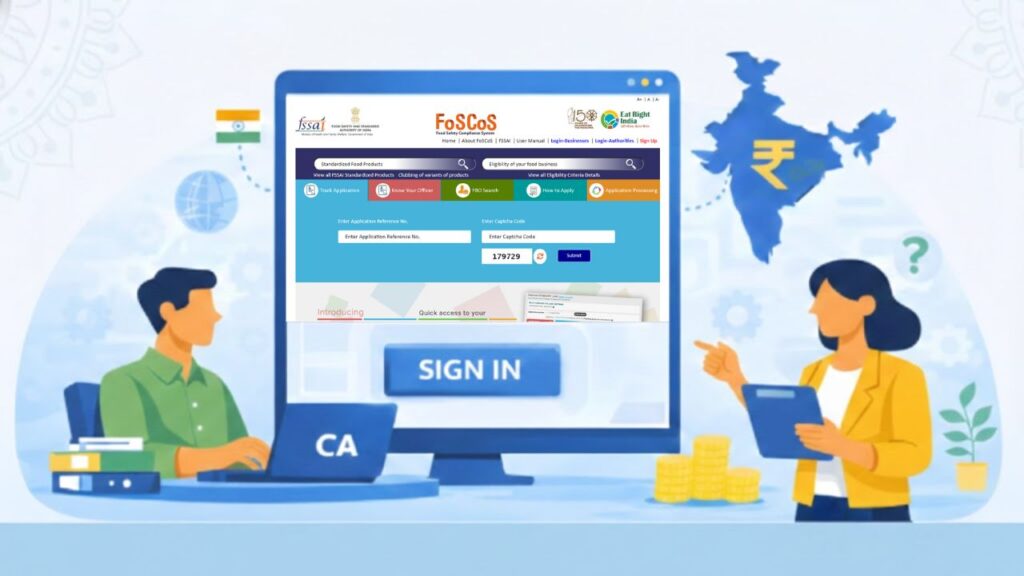
FoSCoS FSSAI Portal Explained: Registration, Login, Features & Complete Process Guide

Food businesses in India cannot operate legally without FSSAI registration or licence. Whether you run a small food stall, cloud kitchen, restaurant, food manufacturing unit, or import business — compliance with the Food Safety and Standards Act, 2006 is mandatory. To simplify the licensing and compliance system, the Food Safety and Standards Authority of India (FSSAI) introduced FoSCoS (Food Safety Compliance System). This cloud-based platform replaced the older FLRS system and transformed FSSAI licensing into a more structured, faster, and compliance-focused digital process. Many Food Business Operators (FBOs) struggle with: This detailed guide explains FoSCoS FSSAI portal, its objectives, features, and step-by-step process in practical terms. ⭐ What Is FoSCoS FSSAI? FoSCoS (Food Safety Compliance System) is the upgraded online licensing and compliance platform launched by FSSAI on 1 June 2020. It replaced the earlier FLRS (Food Licensing and Registration System), which faced: FoSCoS is designed as a unified compliance ecosystem, not just a licensing portal. ⭐ Why FoSCoS Was Introduced The old FLRS system worked primarily as a licence issuance portal. However, with increasing food businesses and stricter compliance norms, FSSAI required a smarter, integrated platform. The main objectives of FoSCoS include: This shift helps improve accountability and ease of doing business. ⭐ States Where FoSCoS Was Initially Launched FoSCoS was initially launched in: Later, it expanded nationwide. Existing users could log in using their old FLRS credentials. ⭐ Who Needs FoSCoS FSSAI Registration? Any Food Business Operator involved in: must obtain either: The eligibility depends on turnover, business size, and type of food activity. ⭐ FoSCoS Portal Homepage Features The homepage is designed with user-friendly navigation. Key Sections Available: ✔ Standardized Food Products Search✔ Eligibility Search Tool✔ Track Application✔ Know Your Officer✔ FBO Search✔ How To Apply✔ Application Processing✔ Apply for Licence✔ Apply for Registration✔ Modification & Renewal These features reduce confusion and guide applicants correctly. ⭐ How to Apply for FSSAI Registration or Licence on FoSCoS Step 1: Visit FoSCoS Portal Go to official FoSCoS website. Step 2: Select “Apply for Registration” or “Apply for Licence” Choose based on eligibility. Step 3: Choose State & Business Category Select correct Kind of Business (KoB). Step 4: Select Standardized Food Products Manufacturers must select from predefined food categories. If product is not listed, apply under: Step 5: Upload Documents Documents vary depending on business type. Step 6: Pay Applicable Fees Fee depends on licence type and validity period. Step 7: Submit Application Note the Application Reference Number for tracking. ⭐ Track Application on FoSCoS To track: You can view approval, rejection, or inspection status. ⭐ FBO Search Facility Consumers or authorities can verify any food business by: This ensures transparency and consumer safety. ⭐ Know Your Officer Feature This tool helps FBOs identify: Useful when follow-up or clarification is required. ⭐ Major Improvements Over FLRS FoSCoS introduced several practical upgrades: 1️⃣ Smart Product Selection Manufacturers now select from standardized food category list instead of manually typing product names. 2️⃣ Reduced Documentation Earlier 29 documents were required. Now documents are KoB-based and rationalised. 3️⃣ Online Declarations Many physical declarations replaced by digital checkbox confirmation. 4️⃣ Annual Return Filing Online FBOs can file returns directly via portal. 5️⃣ Inspection Report Access FBOs can view inspection reports digitally. ⭐ Integration With Other Systems FoSCoS aims to become a central compliance platform by integrating with: This improves regulatory efficiency. ⭐ Renewal & Modification Process FBOs must renew licence before expiry. Steps: Failure to renew before expiry can attract penalties. ⭐ Common Mistakes to Avoid ❌ Selecting wrong Kind of Business❌ Uploading incomplete documents❌ Ignoring standardized product list❌ Delayed renewal❌ Not updating GST/PAN details Such errors may lead to application rejection or delay. ⭐ Why Compliance Is Important Operating without FSSAI licence can lead to: FoSCoS ensures that food safety standards are properly maintained. ⭐ Benefits of FoSCoS for FBOs This makes compliance more structured and predictable. 🔚 Conclusion FoSCoS is not just a licence portal but a complete food safety compliance system designed to modernize India’s food regulation framework. It improves efficiency, transparency, and regulatory integration. Food businesses must understand eligibility, select correct category, and maintain compliance to avoid legal trouble. Using FoSCoS correctly ensures smooth operations and builds consumer trust. For more step-by-step guides on government registrations and compliance processes, visit Sarkari Bakery. ❓ FAQs

SPARSH Pension Life Certificate
Information

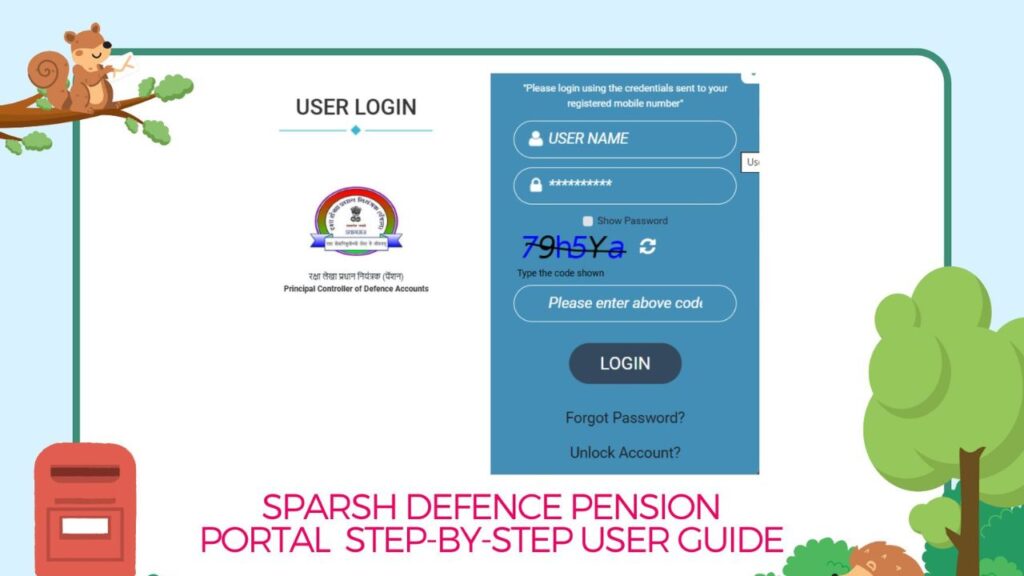
How to Submit a Digital Life Certificate for Defence Pensioners on SPARSH Portal (Step-by-Step Guide)

For defence pensioners, submitting the Digital Life Certificate (DLC) every year is mandatory. If it is not submitted on time, pension payments may stop temporarily. Many retired personnel and family pensioners worry about delays, login issues, Aadhaar authentication problems, or confusion between manual and digital submission. To make the process easier, the Government of India introduced the SPARSH (System for Pension Administration Raksha) portal. This online system allows defence pensioners to manage pension details, submit life certificates, track status, and update records without visiting bank branches repeatedly. This guide explains the full process in simple terms so that you can complete your Digital Life Certificate submission smoothly. ⭐ What Is SPARSH Pension Portal? SPARSH is an online pension management system launched by the Controller General of Defence Accounts (CGDA). It handles: Earlier, pensioners had to depend on banks for updates. Now, through SPARSH, everything is centralized and directly managed by the Defence Accounts Department. ⭐ Why Submitting Life Certificate Is Important Every pensioner must prove that they are alive once a year. This prevents: If the Life Certificate is not submitted within the prescribed time (usually November), pension payments may be temporarily stopped until verification is completed. ⭐ Types of Life Certificate Submission in SPARSH There are two ways to submit: Digital submission is safer and quicker because it uses Aadhaar-based authentication. ⭐ Requirements Before Submitting Digital Life Certificate Keep the following ready: For face authentication: ⭐ Step-by-Step Process to Submit Digital Life Certificate (Face Authentication Method) This is the easiest method for most pensioners. Step 1: Login to SPARSH Portal If login credentials are not generated, use Aadhaar and pension details to create them. Step 2: Choose “Digital Life Certificate” Step 3: Install Required Apps Download from Google Play Store: Both apps are necessary for authentication. Step 4: Operator Authentication Follow on-screen instructions carefully. Ensure proper lighting and no background movement. Step 5: Pensioner Authentication Once successful, DLC is automatically submitted to SPARSH. Step 6: Confirmation Always verify submission to avoid payment interruption. ⭐ Alternative Method: Biometric Device Submission If face authentication fails, you can: This method is useful in rural areas where face recognition may not work properly. ⭐ Manual Life Certificate (MLC) Submission Process If digital method is not possible: Wait for approval confirmation. Manual submission may take slightly longer for verification. ⭐ Common Problems and How to Avoid Them ❌ Aadhaar Not Linked With Mobile Solution: Update Aadhaar mobile number before starting process. ❌ Face Authentication Fails Solution: Ensure good lighting, clean camera lens, and stable internet. ❌ Login Issues Solution: Use “Forgot Password” option and reset credentials. ❌ Life Certificate Not Reflecting Solution: Wait 24–48 hours and check status again. ⭐ Important Deadlines Mark calendar reminders to avoid last-minute rush. ⭐ Major Banks Integrated With SPARSH SPARSH system is integrated with: Even though banks disburse pension, Life Certificate submission is now centralized under SPARSH. ⭐ Benefits of Digital Submission Digital submission is especially helpful for senior citizens with mobility issues. ⭐ What Happens If You Don’t Submit Life Certificate? Timely submission avoids unnecessary stress. 🔚 Conclusion Submitting your Digital Life Certificate through SPARSH is simple if you follow the correct steps. Keep your Aadhaar linked, ensure your mobile number is updated, and complete authentication properly. Whether you choose face recognition or manual upload, the most important thing is to submit the certificate before the deadline to ensure uninterrupted pension payments. For more clear and practical government process guides, visit Sarkari Bakery. ❓ FAQs

What You Should Know About Bajaj EMI Card Charges
Credit Cards

What You Should Know About Bajaj EMI Card Charges

Many people apply for a Bajaj EMI Card thinking it offers completely “zero-cost” shopping. While it can be extremely useful for buying electronics, appliances, furniture, or even travel services on easy monthly instalments, most users don’t fully understand the charges associated with it. Before you swipe your card for a ₹40,000 mobile phone or a ₹70,000 refrigerator, it’s important to understand the real cost structure, hidden fees, and situations where extra charges may apply. This guide explains Bajaj EMI Card charges in detail so you can avoid unnecessary penalties and make informed financial decisions. ⭐ What Is a Bajaj EMI Card? A Bajaj EMI Card is a pre-approved digital credit facility offered by Bajaj Finserv that allows customers to convert purchases into easy monthly instalments (EMIs). Instead of paying the full amount upfront, you can: However, while the EMI looks simple, the charges depend on how and where you use it. ⭐ Types of Charges on Bajaj EMI Card Not all transactions carry the same cost. Charges vary depending on usage type, repayment behaviour, and offer structure. 1️⃣ Processing Fee Most EMI transactions attract a processing fee, even if the EMI is advertised as “No Cost”. Even when interest is waived, the processing fee still applies. 2️⃣ Interest Charges There are two major types of EMI plans: ✔ No Cost EMI ✔ Standard EMI Always check the effective interest rate, not just the EMI amount shown on the screen. 3️⃣ Annual Maintenance Charges (AMC) The Bajaj EMI Card may include: Failure to clear AMC can temporarily restrict usage. 4️⃣ Late Payment Charges If you miss your EMI due date: Late charges usually increase depending on outstanding amount. Even a small delay can affect your credit profile. 5️⃣ Bounce Charges If auto-debit fails due to insufficient balance: Maintain sufficient funds at least 24 hours before EMI date. 6️⃣ Foreclosure Charges Planning to close the loan early? Always check foreclosure terms before taking long tenure. 7️⃣ Cancellation Charges If you cancel a product after EMI conversion: Never assume full refund without checking terms. 8️⃣ Card Replacement Charges If your EMI card is lost or damaged: ⭐ Hidden Charges People Often Miss Here are some practical points many users overlook: ⚠ Processing Fee + GST GST is charged on processing fee separately. ⚠ Convenience Charges Some platforms may add payment gateway charges. ⚠ Insurance Add-ons Optional insurance may get added during checkout. ⚠ Pre-EMI Interest In rare cases, partial interest may apply before EMI cycle begins. Always read the loan summary carefully before clicking “Confirm”. ⭐ Example: Real Cost Breakdown Suppose you buy a washing machine worth ₹50,000 on 10-month No Cost EMI. Possible scenario: Even though EMI is “interest-free,” you still paid extra. ⭐ Who Should Use It Carefully? Bajaj EMI Card is suitable for: Be cautious if you: EMI works best for disciplined users. ⭐ Impact on Credit Score Every EMI transaction is reported to credit bureaus. ✔ Timely payments improve score❌ Late payments reduce score❌ Multiple bounces lower credibility Treat it like a structured loan, not free credit. ⭐ How to Avoid Extra Charges Follow these smart habits: Financial awareness saves more than convenience. 🔚 Conclusion Bajaj EMI Card is a helpful financial tool when used responsibly. However, understanding processing fees, GST, interest structure, late penalties, foreclosure charges, and annual maintenance fees is essential before making a purchase. “No Cost EMI” does not always mean completely free. Always calculate the total cost before confirming. If used with discipline and proper planning, EMI can help manage cash flow smartly without hurting your credit score. For more detailed and practical finance guides, visit Sarkari Bakery. ❓ FAQs

Bajaj EMI Card
Credit Cards

How Bajaj EMI Card Lets You Shop Without Paying the Full Amount Upfront

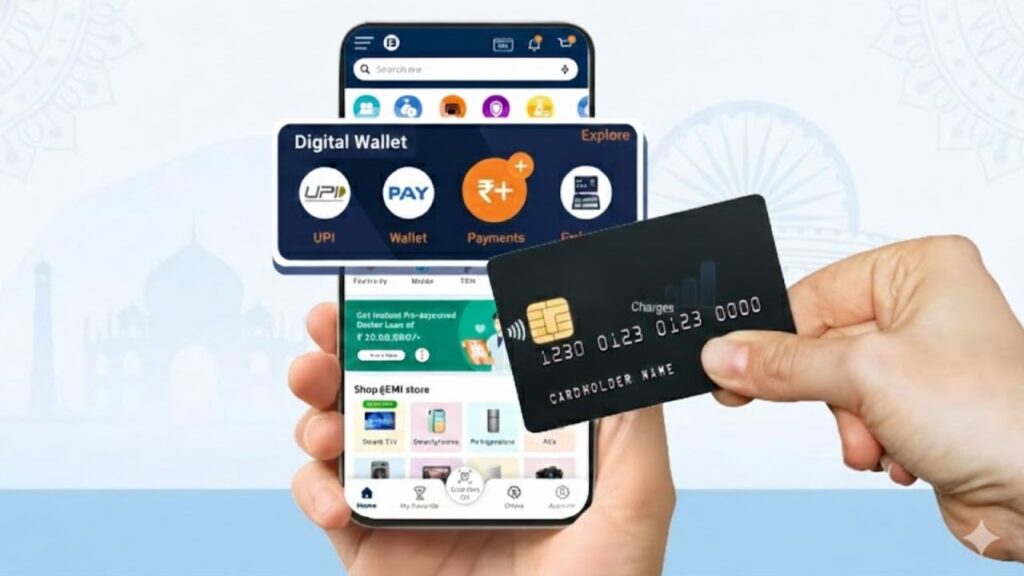
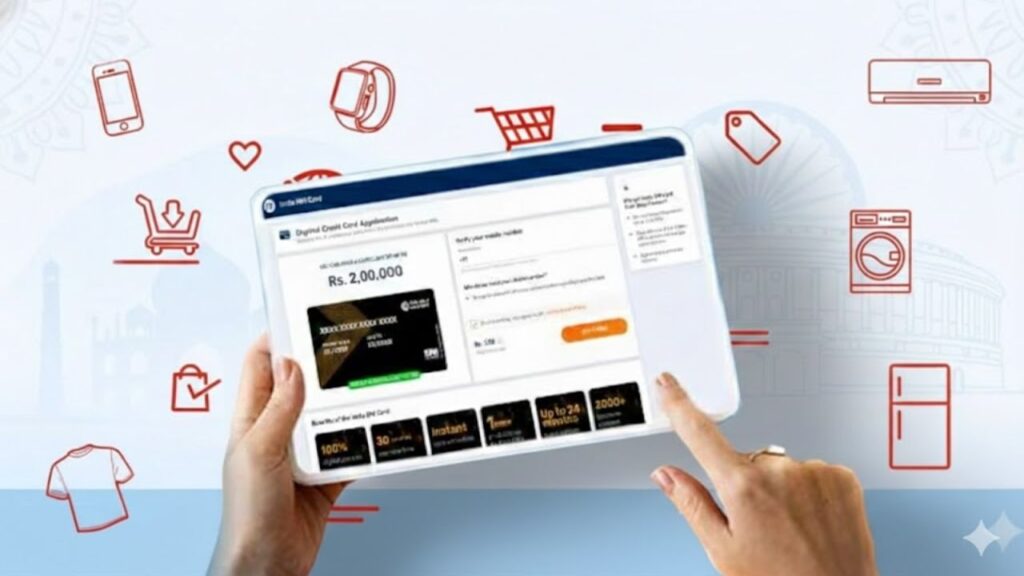
Buying a new phone, refrigerator, TV, or laptop often requires a big one-time payment. For many households, paying ₹20,000–₹80,000 at once can disturb monthly budgeting. This is where the Bajaj EMI Card becomes useful. Instead of paying the full amount immediately, you can convert your purchase into fixed monthly instalments (EMIs). But how exactly does it work? Is it really interest-free? And what should you be careful about? Let’s understand everything clearly. 💳 What Is a Bajaj EMI Card? A Bajaj EMI Card is a pre-approved digital EMI network card issued by Bajaj Finserv. It allows customers to buy products on EMI without using a traditional credit card. It works like a pre-approved loan limit. Once issued, you can use the available limit to shop at partner stores or online platforms and repay in easy monthly instalments. 🛍️ How It Lets You Shop Without Paying Full Amount Here’s how the process works: Step 1: Pre-approved Limit Bajaj assigns you a spending limit (for example ₹1 lakh). Step 2: Select Product You visit a partner store (offline or online) and choose a product. Step 3: Choose EMI Tenure You select repayment tenure — 3, 6, 9, 12, 18 or 24 months (depending on offer). Step 4: Minimal Upfront Payment In many cases, you pay zero down payment or a small processing fee. Step 5: Monthly Auto-Debit EMIs are automatically deducted from your bank account. So instead of paying ₹60,000 for a laptop at once, you might pay ₹5,000 per month for 12 months. 🔍 Is It Really “No Cost EMI”? Many offers are advertised as No Cost EMI, but here’s what actually happens: Always check: Reading the loan terms carefully prevents surprises later. 🏬 Where Can You Use It? The Bajaj EMI Card works at: It is widely accepted across thousands of partner merchants in India. 📊 Who Is Eligible? Eligibility usually depends on: Approval is faster if you already have a strong credit history. If you’re unsure how your credit profile works, you should understand how credit behaviour impacts borrowing. Many people unknowingly damage their score — explained in detail in Common Credit Mistakes. ⚠️ Things to Be Careful About While the card is convenient, misuse can create financial pressure. 1️⃣ Multiple EMIs Together Buying too many items at once can overload your monthly budget. 2️⃣ Missed EMI Late payment can: 3️⃣ Over-Spending Since you’re not paying full amount immediately, it’s easy to overspend. Always calculate whether EMI fits comfortably within your monthly income. 📈 Does It Affect Your Credit Score? Yes. Bajaj EMI purchases are treated as consumer loans. If you: Responsible repayment helps build a positive credit history. 🧾 Processing Fees & Hidden Charges Even if EMI is advertised as zero cost, you may still pay: Always confirm total payable amount before confirming purchase. 🛠️ When Should You Use Bajaj EMI Card? Good situations: Avoid using it for: 🧠 Smart Tip Before Using EMI Ask yourself: EMI is a financial tool — not free money. 📌 Conclusion The Bajaj EMI Card allows you to purchase products without paying the full amount upfront by converting the cost into manageable monthly instalments. It offers convenience, faster approval, and flexibility. However, it should be used responsibly. Timely repayment can strengthen your credit profile, while careless usage can create debt stress. If you want more practical financial guides like this, visit Sarkari Bakery for clear and simplified explanations on everyday financial topics.

Common Mistakes People Make That Harm Their Credit Score
CIBIL

Common Mistakes People Make That Harm Their Credit Score (And How to Avoid Them)

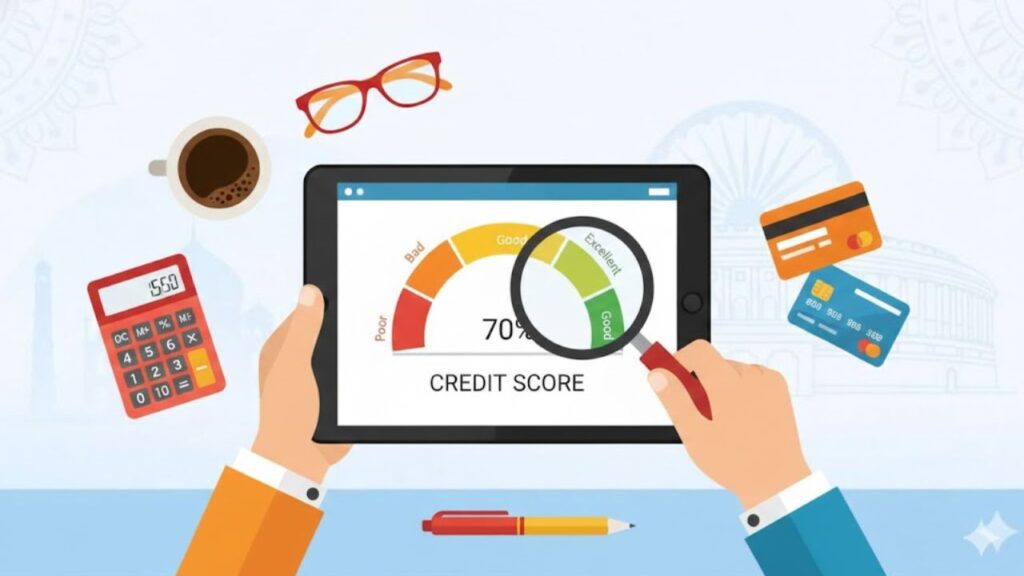
Your credit score silently decides many important things in your financial life — whether you get a loan approved, what interest rate you pay, how easily you get a credit card, and sometimes even whether your rental application is accepted. Many people in India realise the importance of a credit score only after their loan gets rejected. By then, the damage is already done. Understanding common mistakes that hurt your credit score can help you avoid unnecessary financial stress and protect your long-term borrowing power. ⭐ What Is a Credit Score and Why It Matters A credit score is a three-digit number (usually between 300 and 900 in India) that reflects your credit behaviour. It is calculated by credit bureaus such as CIBIL based on: Banks and NBFCs use this score to decide whether you are a low-risk or high-risk borrower. A score above 750 is generally considered good in India. Below 650, loan approvals become difficult and interest rates increase. ⭐ 1. Missing EMI or Credit Card Payments This is the most common and most damaging mistake. Even a single missed EMI or credit card bill can: Many people assume a delay of a few days does not matter. But if payment crosses the due date and is reported as delayed (30+ days), it directly impacts your repayment history — which is the biggest factor in credit scoring. How to avoid it: ⭐ 2. Paying Only the Minimum Due on Credit Cards Paying only the minimum amount keeps your account active, but: Over time, this pattern signals financial stress to lenders. Better approach:Always try to clear the full outstanding balance each month. ⭐ 3. High Credit Utilisation Ratio Credit utilisation means how much of your total credit limit you are using. Example:If your credit card limit is ₹1,00,000 and you use ₹80,000 regularly, your utilisation is 80%. Experts recommend keeping utilisation below 30%. High utilisation: Solution: ⭐ 4. Applying for Too Many Loans or Credit Cards Every time you apply for a loan or credit card, the bank performs a “hard enquiry.” Too many enquiries in a short period: Many people apply to multiple banks after one rejection, which worsens the situation. Smart move:Check your eligibility first and apply selectively. ⭐ 5. Closing Old Credit Cards Too Quickly Many people close old credit cards thinking it improves their credit score. But old cards help because: Closing your oldest card can reduce your credit age and affect your score. If the card has no annual fee, it may be better to keep it active with minimal usage. ⭐ 6. Ignoring Small Loan Defaults People sometimes ignore: Even a small unpaid amount can be reported as default. This can significantly impact your score and stay in your report for years. ⭐ 7. Settling Loans Instead of Closing Them Properly Loan settlement is different from full repayment. If you “settle” a loan: Banks prefer “Closed” status, not “Settled.” Settlement should be the last option, not the first. ⭐ 8. Becoming a Guarantor Without Understanding Risk If you become a guarantor for someone’s loan: Many people sign as guarantors for friends or relatives without understanding consequences. If the borrower misses EMIs, your score suffers too. ⭐ 9. Not Checking Your Credit Report Regularly Errors in credit reports are more common than people think: If you don’t check, you won’t know. You are entitled to one free credit report per year from credit bureaus. Regular monitoring helps you correct mistakes early. ⭐ 10. Defaulting on Utility or Small Payments Linked to Credit Some newer financial products link: Defaults on these can also affect your credit score. Even small digital credit products must be handled responsibly. ⭐ 11. Frequently Changing Jobs Without Managing Finances While job changes do not directly reduce credit score, unstable income can: Before changing jobs, ensure: Financial planning protects your credit health. ⭐ Real-World Impact of a Poor Credit Score A low credit score can lead to: Even a difference between 720 and 780 can change your interest rate significantly. Over a 20-year home loan, this difference can cost lakhs of rupees. ⭐ Simple Habits That Improve Your Credit Score Consistency is more important than shortcuts. ⭐ Final Thoughts Your credit score reflects your financial discipline. It is built slowly and damaged quickly. Most credit score problems are not caused by fraud — they happen due to small, repeated mistakes like late payments, high utilisation, or careless loan applications. By understanding these common mistakes and managing credit responsibly, you can protect your financial future and improve your borrowing power over time. For more simple and practical financial guides, visit Sarkari Bakery. Frequently Asked Questions

Scroll to Top