Author name: Nibha

Government Banks in India
Information

Government Banks in India: List of Public Sector Banks in India 2026

Government banks in India form the backbone of the country’s public banking structure. These banks are also known as Public Sector Banks (PSBs) because the Government of India holds a majority stake (at least 51%) in them. As of 2026, India has 12 public sector banks operating across retail, corporate, MSME, agriculture, and digital banking segments. These banks play a major role in financial inclusion, government scheme implementation, and economic stability. What Is a Government Bank? A government bank (public sector bank) is a bank where: These banks are considered stable and reliable due to government backing. List of Public Sector Banks in India 2026 India currently has 12 government banks after major banking mergers conducted between 2017 and 2020. Here is the updated list: These banks operate nationwide with extensive branch and ATM networks. Top Government Banks by Market Capitalisation (2026) Based on market capitalisation, the leading public sector banks are: Bank Market Cap (₹ Lakh Crore Approx.) State Bank of India 7.8 Bank of Baroda 1.28 Punjab National Bank 1.17 Union Bank of India 0.98 Canara Bank 0.98 Indian Bank 0.78 Indian Overseas Bank 0.73 Bank of India 0.54 UCO Bank 0.39 Bank of Maharashtra 0.39 Market capitalisation may vary depending on stock performance. Overview of Major Government Banks 1. State Bank of India (SBI) India’s largest public sector bank by assets and market value.Offers retail banking, corporate loans, agriculture finance, and digital services. 2. Bank of Baroda Strong domestic and international presence.Provides retail, corporate, MSME, and global banking services. 3. Punjab National Bank (PNB) One of India’s oldest government banks.Focuses on retail banking, agriculture lending, and MSME support. 4. Union Bank of India Wide branch network and growing digital banking infrastructure.Provides treasury, retail, and corporate services. 5. Canara Bank Established in 1906.Known for MSME financing, retail loans, and rural banking outreach. 6. Indian Bank Offers balanced services in retail, corporate, and priority sector lending. 7. Indian Overseas Bank Originally focused on overseas trade finance, now provides comprehensive banking services. 8. Bank of India Mumbai-based bank with strong presence in retail and international banking. 9. UCO Bank Strong rural and semi-urban presence.Supports financial inclusion programs. 10. Bank of Maharashtra Strong regional base with growing national expansion. Key Features of Government Banks 1. Wide Service Portfolio 2. Deposit Safety Public sector banks are considered safe due to: 3. Financial Inclusion Focus Government banks play a leading role in: 4. Rural Outreach Most PSBs have strong rural presence, ensuring banking access in remote areas. Role of Government Banks in India’s Economy Government banks support economic growth by: They act as pillars of India’s financial system. Difference Between Public Sector and Private Banks Public Sector Bank Private Bank Majority owned by Government Majority owned by private shareholders Focus on inclusion & public schemes Focus on profitability & innovation Strong rural reach Strong urban & digital focus Both operate under RBI supervision. Are Government Banks Safe? Yes, government banks are considered stable because: However, like all banks, they operate under financial market risks. Conclusion As of 2026, India has 12 public sector banks forming the foundation of the country’s public banking infrastructure. From financial inclusion to infrastructure lending and welfare scheme implementation, government banks continue to play a vital role in India’s economic development. Understanding the government bank list helps citizens choose the right bank for savings, loans, and other financial services. For more simplified guides on government schemes and banking updates, visit Sarkari Bakery. FAQs
Indira Gandhi Hospital Dwarka
Information

Indira Gandhi Hospital Dwarka: Services, OPD Timing, Facilities & Important Information

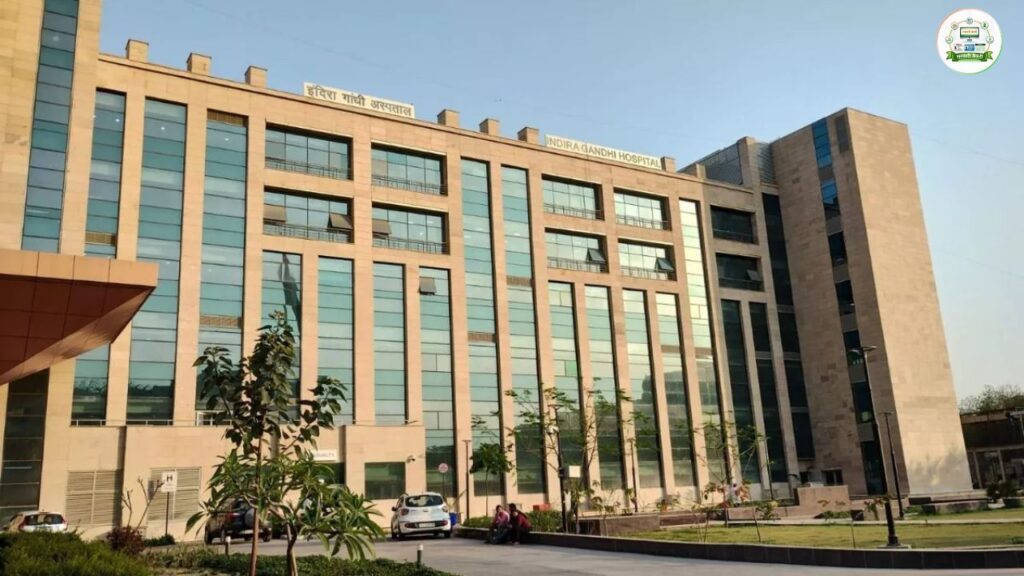
If you live in Dwarka or nearby areas of South-West Delhi, Indira Gandhi Hospital Dwarka is one of the most important government hospitals serving the region. Whether it is emergency treatment, OPD consultation, maternity services, dialysis, or general medical care, thousands of patients visit this hospital daily. In this detailed guide, you will understand everything about Indira Gandhi Hospital Sector 9 Dwarka — including services, timings, departments, emergency facilities, and how to reach the hospital. 📍 Where Is Indira Gandhi Hospital Located? Indira Gandhi Hospital is located in: Sector 9, Dwarka, New Delhi – 110077 It is easily accessible from: 🚇 Nearest Metro Station Dwarka Sector 9 Metro Station (Blue Line)The hospital is within walking distance from the metro station. This makes it convenient for patients traveling from different parts of Delhi. 🏥 About Indira Gandhi Hospital Dwarka Indira Gandhi Hospital (IGH) is a Delhi Government multi-speciality hospital operating under the Government of NCT of Delhi. It plays a crucial role in providing affordable and accessible healthcare services to residents of South-West Delhi. It is especially important because: Being a government hospital, treatment costs are minimal compared to private hospitals. 🕒 Indira Gandhi Hospital OPD Timings OPD services are generally available: It is advisable to reach early as OPD tokens are limited. Emergency services operate 24×7. 🚑 Emergency & Trauma Services Indira Gandhi Hospital provides: In case of road accidents, sudden illness, or medical emergencies, patients can directly approach the emergency ward. 🧑‍⚕️ Major Departments Available The hospital provides multiple specialities including: 🔹 General Medicine For fever, infections, diabetes, blood pressure, and general illnesses. 🔹 General Surgery Minor and major surgical procedures. 🔹 Obstetrics & Gynaecology Pregnancy care, delivery services, and women’s health treatment. 🔹 Orthopaedics Bone fractures, joint pain, and injury management. 🔹 Paediatrics Child healthcare services. 🔹 ENT (Ear, Nose, Throat) Hearing, throat infections, and sinus-related issues. 🔹 Pulmonology Respiratory and lung-related treatment. 🔹 Dialysis Services Kidney patients can avail dialysis facilities under government healthcare programs. 🔹 Radiology & Diagnostic Services These services support accurate diagnosis and treatment. 🛏️ Inpatient (IPD) Facilities Patients requiring hospitalization can be admitted under: The hospital has large bed capacity and continues to expand infrastructure to handle patient demand. 💊 Affordable Treatment Since Indira Gandhi Hospital is a government facility: It is particularly helpful for low-income families. 📄 Documents Required for Treatment For OPD registration, generally required: For admissions, additional documentation may be required. 🏢 Facilities Inside the Hospital Patients can find: Security and administrative staff assist in guiding patients. ⚠️ Important Things to Keep in Mind Government hospitals often experience high patient flow. 🚌 How to Reach Indira Gandhi Hospital Dwarka By Metro Nearest Station: Dwarka Sector 9 (Blue Line) By Road Well connected via: Public buses and auto-rickshaws are easily available. Why Indira Gandhi Hospital Is Important for Dwarka Residents Before this hospital expanded, many residents had to travel to: Now, residents of Dwarka and nearby areas can receive treatment locally. This reduces travel time and medical stress. Final Thoughts Indira Gandhi Hospital Dwarka serves as a backbone of public healthcare in South-West Delhi. With 24×7 emergency care, multiple departments, affordable treatment, and metro connectivity, it is a vital healthcare facility for thousands of residents. If you are planning to visit for consultation or emergency care, understanding timings and documentation requirements in advance will help you avoid inconvenience. For more simplified local government service guides and updates, visit Sarkari Bakery. FAQs
Understanding Passport Categories and Their Importance
Documents

Understanding Passport Categories and Their Importance (India 2026 Guide)

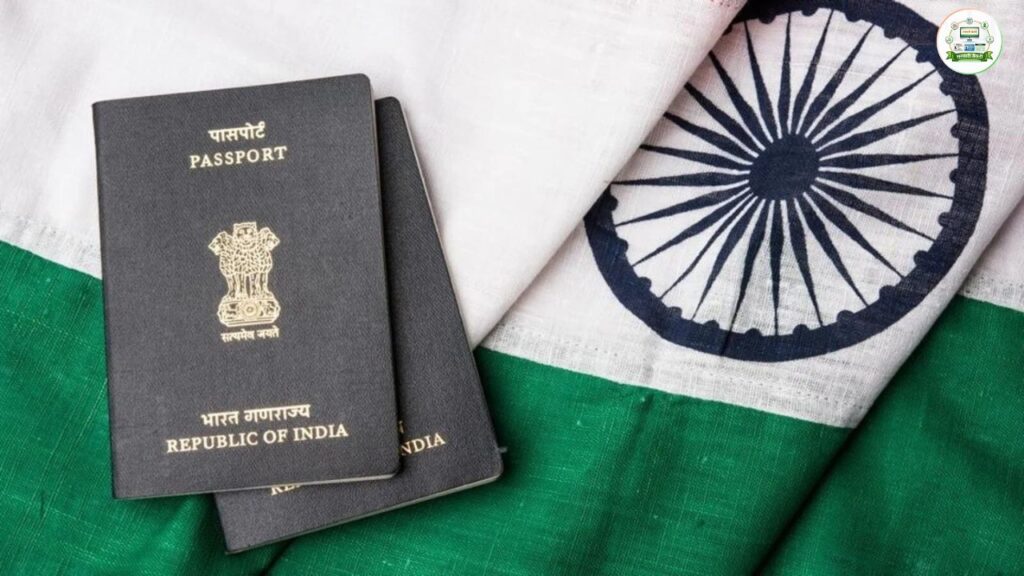
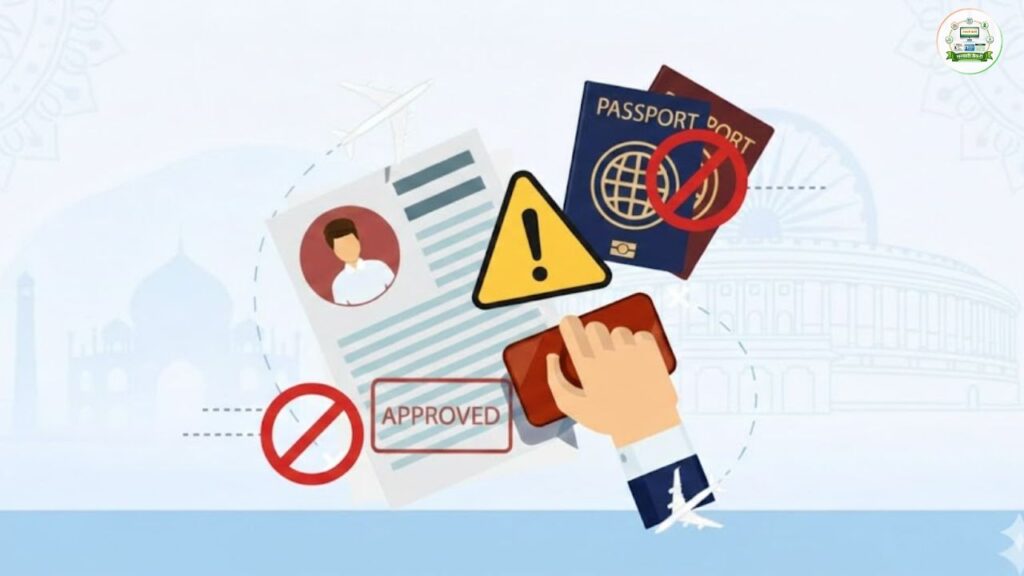
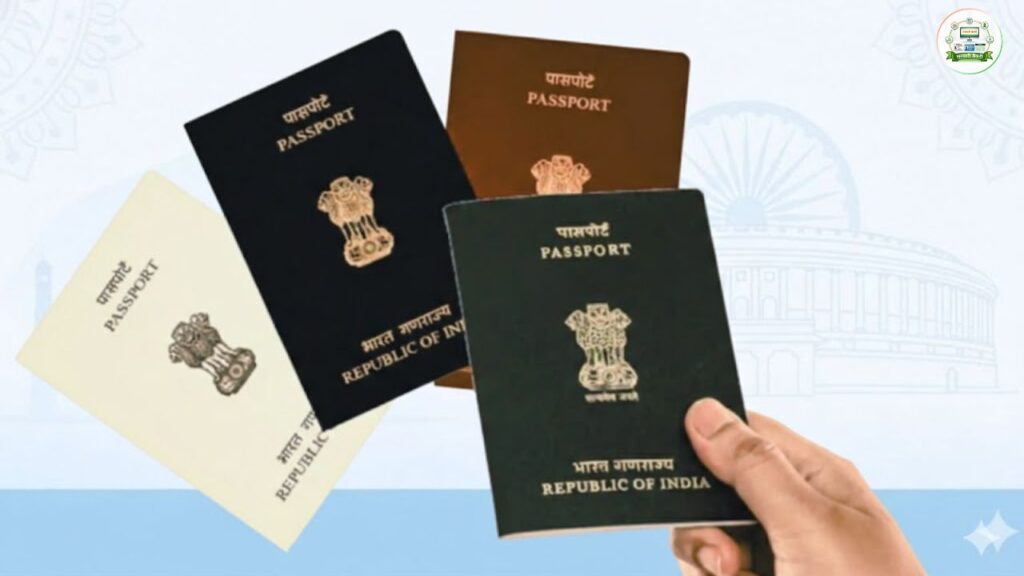
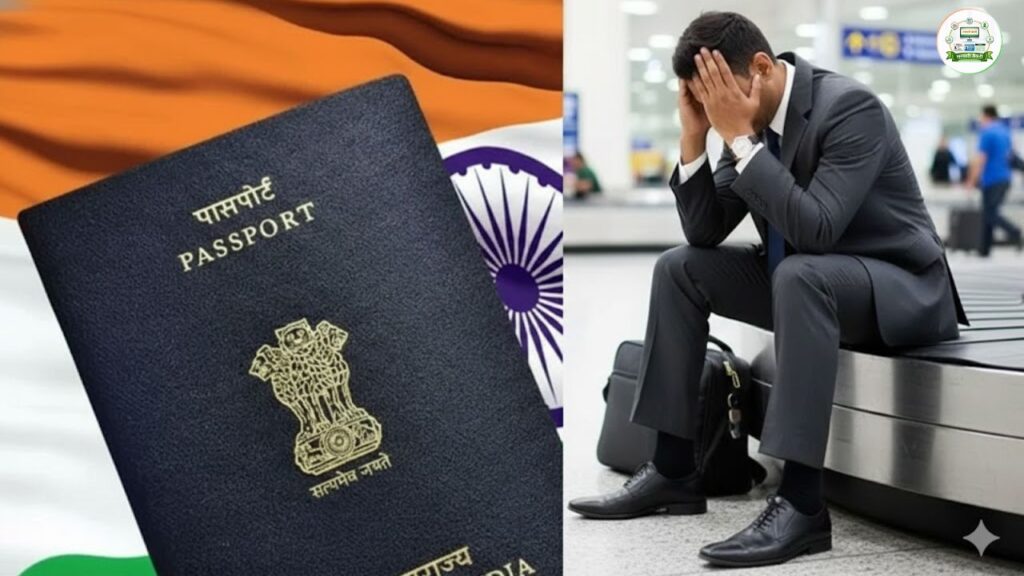
When applying for an Indian passport, many people focus only on filling the form and booking an appointment. However, selecting the correct passport category is equally important. Choosing the wrong category can delay your application, trigger additional verification, or even lead to rejection. This guide explains the different passport categories in India, what they mean, and why selecting the right one matters. What Are Passport Categories? Passport categories refer to the type of passport application and booklet you are applying for, based on your situation. They determine: Understanding them helps avoid mistakes during application. 1️⃣ Fresh Passport This category is for: Key Points If you had a passport before (even expired), do NOT select Fresh. 2️⃣ Reissue of Passport This is the most commonly misunderstood category. Reissue applies when: There is no separate “renewal” category in India.Renewal is processed under Reissue. 3️⃣ Normal Passport Scheme Under this scheme: Suitable when travel is not urgent. 4️⃣ Tatkal Passport Scheme Tatkal is the fast-track option. Features Important: Tatkal is not guaranteed approval. Documents must be correct. 5️⃣ Passport Booklet Types When applying, you must choose between: 36-Page Booklet 60-Page Booklet Choosing the correct booklet avoids running out of pages quickly. 6️⃣ ECR vs ECNR Category This category relates to emigration clearance. ECR (Emigration Check Required) Applies to: ECNR (Emigration Check Not Required) Applies to: Selecting the wrong category may cause travel restrictions later. 7️⃣ Minor Passport Category For applicants under 18 years: Minor category has different documentation rules. 8️⃣ Diplomatic and Official Passport These are not for general public. Diplomatic Passport (Maroon Cover) Issued to: Official Passport (White Cover) Issued to: Most citizens apply for ordinary passport (blue cover). Why Choosing the Right Category Is Important Selecting the correct category ensures: ✔ Faster processing✔ Correct police verification✔ Proper fee calculation✔ Avoidance of rejection✔ Accurate passport validity Wrong category may cause: Common Category Mistakes Double-check before submitting. How to Select the Correct Category Before applying, ask yourself: Answering these helps select correct option. Can Category Be Changed After Submission? In most cases, once application is submitted: Always review carefully before payment. Final Checklist Before Applying ✔ Correct category selected✔ Proper scheme chosen (Normal/Tatkal)✔ Booklet size selected carefully✔ ECR/ECNR status verified✔ Previous passport details entered This prevents unnecessary delays. Conclusion Passport categories are not just formality — they directly affect how your application is processed. Whether it’s Fresh, Reissue, Normal, Tatkal, or selecting the correct ECR status, every choice matters. Understanding these categories ensures smoother approval, fewer complications, and timely passport issuance. For more simplified guides on passport rules and government documentation, visit Sarkari Bakery. FAQs

Tatkal Passport
Documents

Tatkal Passport: Fast-Track Passport Service in India

If you need a passport urgently due to travel, medical emergency, job opportunity, or education abroad, the Tatkal Passport scheme can help you get it faster than the normal process. However, many people misunderstand how Tatkal works. It is faster — but not a shortcut. Verification rules still apply. This detailed guide explains eligibility, documents, fees, processing time, police verification, and common mistakes to avoid. What Is Tatkal Passport? Tatkal is a priority processing scheme offered by the Passport Seva system to issue passports on an urgent basis. Under Tatkal: Tatkal does not guarantee approval. Your documents must be correct. Who Can Apply for Tatkal Passport? Most Indian citizens can apply under Tatkal, including: However, Tatkal may not be allowed in certain sensitive cases such as serious criminal background or incomplete documentation. Processing Time for Tatkal Passport After Successful PSK Visit Note:Delays may occur if: Tatkal Passport Fees (Approximate) Tatkal fee is higher than normal passport. Fees depend on: Tatkal fee = Normal fee + Tatkal additional charge. Exact fees can be checked during online application. Police Verification in Tatkal Many applicants believe Tatkal skips police verification. That is incorrect. In most cases: If police report is adverse later: So always provide accurate information. Documents Required for Tatkal Passport For Fresh Passport You generally need: For Reissue For Lost Passport Document requirements may vary based on case. How to Apply for Tatkal Passport Step 1: Register/Login on Passport Seva Portal. Step 2: Select “Fresh” or “Reissue”. Step 3: Choose “Tatkal” option. Step 4: Fill application carefully. Step 5: Pay Tatkal fee online. Step 6: Book earliest available PSK appointment. Step 7: Visit PSK with all documents. Who May Not Be Eligible for Tatkal? Tatkal may be restricted in cases such as: Each case is examined individually. Common Mistakes in Tatkal Applications Tatkal speeds up processing but does not relax scrutiny. Is Tatkal Guaranteed? No. Tatkal is a priority service — not guaranteed approval. If documents are not satisfactory: When Should You Use Tatkal? Tatkal is suitable when: If travel is months away, normal passport is usually sufficient. Can Tatkal Be Converted to Normal? If Tatkal is not approved: What Happens After Tatkal Issuance? Even after receiving passport: Always provide correct information. Is Tatkal Available for Minors? Yes, Tatkal can be used for minors, but parental documentation must be complete. Final Tips for Smooth Tatkal Approval ✔ Ensure documents are consistent✔ Double-check name and DOB✔ Be available for police verification✔ Avoid agents and middlemen✔ Apply early in the day for faster appointment availability Preparation ensures faster approval. Conclusion Tatkal Passport is a useful fast-track option for urgent travel needs, but it is not a shortcut around rules. Police verification, document accuracy, and background checks remain mandatory. If your documents are clear and your information is accurate, Tatkal can help you receive your passport within a few days. For more simplified guides on government documentation and processes, visit Sarkari Bakery. FAQs

Lost or Damaged Passport
Documents

Lost or Damaged Passport? Here’s What You Should Know

Losing your passport or having it damaged can be stressful — especially if you have upcoming travel plans. A passport is not just a travel document; it is an internationally recognized identity proof issued under the Passports Act, 1967. If your passport is lost, stolen, or damaged, you must act quickly and follow the correct legal procedure to avoid delays or complications. This guide explains what to do, documents required, fees, police reporting rules, and how to prevent rejection during reissue. First: Understand the Situation There are two main cases: 1️⃣ Lost or Stolen Passport 2️⃣ Damaged Passport The procedure is slightly different for each case. If Your Passport Is Lost in India Step 1: File an FIR Immediately Visit your nearest police station and file an FIR (First Information Report). This is mandatory. Keep: Without FIR, your reissue application may be rejected. Step 2: Apply for Passport Reissue There is no “duplicate passport” system. You must apply under:👉 Reissue of PassportReason: Lost passport While applying online, select: Step 3: Required Documents for Lost Passport You will generally need: If you don’t have a copy of your old passport, provide as many details as possible. If Your Passport Is Lost Abroad If you lose your passport outside India: Embassy will guide you through the process. If Your Passport Is Damaged There are two types of damage: Minor Damage Major Damage What To Do for Damaged Passport Apply for:👉 Reissue of PassportReason: Damaged passport You must carry: If damage is severe, the case may be examined more strictly. Police Verification in Lost/Damaged Cases In lost passport cases:✔ Police verification is almost always required✔ Background check may be stricter Repeated loss may trigger detailed scrutiny. For damaged passport: Fees for Lost or Damaged Passport Fees are generally higher than normal reissue. Tatkal option is available in many cases, but approval depends on document strength and background. What Happens to the Old Passport? In Case of Damage Old passport is cancelled and returned. In Case of Loss Old passport number is blacklisted in system to prevent misuse. Important Things to Remember 1️⃣ Do Not Hide Loss Never try to say passport is “damaged” if it is actually lost.False declaration can lead to serious legal issues. 2️⃣ Avoid Delays in FIR Delay in reporting lost passport may create suspicion. Report immediately. 3️⃣ Multiple Losses Raise Red Flags If you lose passport repeatedly: Be cautious. 4️⃣ Travel Plans May Be Affected Lost passport near travel date can disrupt plans. Apply early and consider Tatkal if eligible. How Long Does Reissue Take? Normal 2–4 weeks (average) Tatkal 2–7 working days (if approved) Lost passport cases may take slightly longer due to police verification. Can You Travel Without Passport If Lost? No. You cannot travel internationally without valid passport. If abroad, Embassy may issue Emergency Certificate for return to India. How to Prevent Passport Loss Treat passport as a sensitive legal document. Final Checklist Before Applying for Reissue ✔ FIR filed (if lost)✔ Correct reason selected online✔ Old passport copy (if available)✔ Address proof updated✔ Honest declaration submitted✔ Available for police verification Proper preparation ensures faster approval. Conclusion Losing or damaging your passport is stressful but manageable if handled correctly. The key steps are filing FIR (if lost), applying under correct reissue category, and cooperating during police verification. Always provide truthful information. False declarations or fake documents can lead to rejection or legal trouble. If you follow proper procedure, your passport can be reissued smoothly. For more simplified government documentation guides, visit Sarkari Bakery. FAQs

Passport Applications Get Rejected
Documents

Why Passport Applications Get Rejected and How to Prevent It

Getting a passport rejected can be frustrating — especially when you’ve already paid the fee and attended your Passport Seva Kendra (PSK) appointment. Most rejections in India do not happen randomly. They occur because of incorrect details, incomplete documents, or adverse police verification reports. The good news? Almost all passport rejections are preventable if you understand the common reasons and prepare properly. This detailed guide explains why passport applications get rejected and exactly how to avoid those mistakes. 1️⃣ Name Mismatch Across Documents Why It Causes Rejection If your name appears differently in: The passport office may mark your application as “under review” or reject it. Even small differences like: can trigger objections. How to Prevent It ✔ Ensure all documents carry the same full legal name✔ Update Aadhaar or other documents before applying✔ Avoid abbreviations or nicknames Consistency is critical. 2️⃣ Date of Birth (DOB) Discrepancies DOB mismatch is a serious issue. If: Your application may be rejected or delayed significantly. Prevention ✔ Use birth certificate or 10th certificate as primary DOB proof✔ Correct documents before applying✔ Do not attempt to change DOB casually DOB corrections require strong documentary evidence. 3️⃣ Incorrect Address Details Police verification depends on the address you enter. Common mistakes: If police cannot verify your residence, they submit an adverse report. Prevention ✔ Enter complete and accurate address✔ Ensure address proof matches application✔ Be physically present during verification 4️⃣ Adverse Police Verification Report This is one of the biggest reasons for rejection. Police may mark report as adverse if: Prevention ✔ Answer police calls✔ Inform family members✔ Keep documents ready✔ Disclose all criminal cases honestly Honesty prevents long-term problems. 5️⃣ Hiding Criminal Cases If you have: You must disclose it. Failure to disclose may lead to: Prevention ✔ Always declare pending cases✔ Obtain court permission if required✔ Attach supporting documents Transparency is safer than concealment. 6️⃣ Applying Under Wrong Category Many applicants mistakenly select: Wrong category can result in rejection. Prevention ✔ Fresh = First passport✔ Reissue = Expired, lost, damaged, or correction✔ Tatkal requires additional documents Select carefully before submitting. 7️⃣ Fake or Invalid Documents Submitting forged documents is a serious offense. Examples: This can lead to: Prevention ✔ Use only genuine documents✔ Avoid unauthorized agents✔ Apply directly through official portal 8️⃣ Previous Passport Not Declared If you had: And you fail to mention it, your application may be rejected. Prevention ✔ Always disclose previous passport details✔ Carry old passport to PSK 9️⃣ Signature Mismatch If your signature at PSK differs from your documents significantly, officers may raise objection. Prevention ✔ Use consistent signature✔ Practice before appointment if needed 🔟 Photograph or Biometric Issues Although photo is taken at PSK, issues may arise if: Prevention ✔ Avoid heavy makeup✔ Remove sunglasses✔ Follow officer instructions 1️⃣1️⃣ Applying Too Late Before Travel Last-minute applications increase stress. If rejected, you may miss travel plans. Prevention ✔ Apply at least 2–3 months before travel✔ Avoid depending solely on Tatkal What Happens If Passport Is Rejected? If rejected: In serious cases, reapplication may be restricted. Can You Appeal a Rejection? Yes. You can: However, prevention is always better than appeal. Quick Prevention Checklist Before final submission, confirm: ✔ Name matches all documents✔ DOB matches all documents✔ Address proof updated✔ Criminal cases disclosed✔ Correct category selected✔ Previous passport declared✔ Genuine documents submitted✔ Available for police verification This checklist prevents 90% of rejections. Conclusion Passport rejection in India usually happens due to avoidable mistakes — not random reasons. The passport system is strict because it deals with national identity and international travel. Accuracy, honesty, and preparation are the keys to smooth approval. If you carefully verify your documents, respond to police verification properly, and choose the correct application category, rejection chances become extremely low. For more simplified guides on government documentation and legal processes, visit Sarkari Bakery. FAQs

Passport Reissue vs Renewal
Documents

Passport Reissue vs Renewal: What’s the Real Difference? (India Explained Clearly)

Many Indian passport holders get confused between passport reissue and passport renewal. People often use these terms interchangeably, but officially, the Indian passport system does not treat them as the same. Understanding this difference is important because selecting the wrong option during application can delay your passport processing. This guide explains the real difference in simple terms, including when to apply, documents required, fees, and common mistakes to avoid. Is “Passport Renewal” Even a Separate Process in India? Here’s the truth: In India, there is no separate renewal process. Whenever your passport expires or is about to expire, you must apply under the category: 👉 Reissue of Passport So technically: The official term used by the Passport Seva system is Reissue. What Is Passport Reissue? Passport reissue means applying for a new passport booklet when: In all these cases, you must select Reissue while applying online. What Do People Mean by Passport Renewal? In common language, “renewal” refers to: But in India, validity is not extended in the same booklet.You receive a completely new passport booklet with: So practically, renewal = reissue due to expiry. Key Differences Explained Clearly 1️⃣ Validity Extension Renewal (common term):People think validity is extended in the same passport. Reality:India issues a new passport under reissue category. 2️⃣ Passport Number In reissue: 3️⃣ Application Category There is only one correct option: ✔ Reissue of Passport There is no “Renew” button in Passport Seva Portal. When Should You Apply for Reissue? Apply Before Expiry If: Many countries require 6 months passport validity. Documents Required for Reissue Due to Expiry Usually required: If no details are changed, document requirement is minimal. Police Verification in Reissue Cases Police verification depends on: Usually: ✔ No address change → Often no police verification✔ Address change → Police verification required Each case is assessed individually. What If Passport Is Already Expired? You can still apply anytime. There is: However, if passport expired long ago, police verification may be stricter. Reissue for Lost Passport If passport is lost: You must: This is also processed under Reissue category. Reissue for Name Change (After Marriage/Divorce) If you want to: You must apply for reissue with supporting documents. Passport Reissue Fees (Approximate) Fees depend on: Tatkal costs higher but is processed faster. How to Apply for Passport Reissue Step 1: Login to Passport Seva Portal Step 2: Select “Reissue of Passport” Step 3: Select reason: Step 4: Fill details carefully Step 5: Pay fee and book PSK appointment Step 6: Visit PSK with documents Common Mistakes People Make Correct category selection avoids delays. Validity After Reissue For adults: For minors: Can You Travel With Expired Passport? No. You must have a valid passport to: Expired passport cannot be used for travel. Final Summary: Real Difference Term Used Official Meaning in India Renewal Not an official category Reissue Used for expiry, loss, correction, changes So whenever someone says “passport renewal”, it simply means applying for passport reissue due to expiry. Conclusion In India, passport renewal and passport reissue are not two different processes. Every expired passport is processed under the Reissue category, and a completely new passport booklet is issued. Understanding this difference helps you choose the correct application option, avoid delays, and complete the process smoothly. For more simplified government documentation guides, visit Sarkari Bakery. FAQs

Police Verification in Indian Passport
Documents

Understanding Police Verification Role in Indian Passport Issuance

Police verification is one of the most important stages in the Indian passport issuance process. Many applicants feel nervous about this step, but in reality, it is a routine background and address verification conducted to confirm your identity and ensure security compliance. If you understand how it works, what officers check, and how to prepare, the process becomes simple and stress-free. Why Police Verification Is Required Passport is an internationally recognized identity document. Before issuing it, the government must ensure: Police verification helps confirm these facts. Types of Police Verification There are mainly three types: 1. Pre-Police Verification Passport is issued only after police clearance. Common for: 2. Post-Police Verification Passport is issued first and verification happens later. Common in: If the police report turns adverse later, the passport may be cancelled. 3. No Police Verification (Rare) In limited cases such as: This is not common for fresh passports. Step-by-Step Police Verification Process Step 1: Application Approval at PSK After your visit to the Passport Seva Kendra (PSK), your application is forwarded to your local police station digitally. Step 2: File Reaches Local Police Station The police station receives: An officer is assigned to your case. Step 3: Police Visit or Call The officer may: This depends on your location and local procedure. Step 4: Address Confirmation The officer verifies: Keep ID proof ready during the visit. Step 5: Background Check Police check: Minor traffic challans usually do not affect approval. Step 6: Police Report Submission Police submit one of three reports: The report is sent back digitally to the Passport Office. What Causes Adverse Police Reports Common reasons include: Accuracy in application prevents most issues. How Long Does Police Verification Take? Typical timeline: Delays may happen due to: Does Tatkal Skip Police Verification? No. Tatkal only speeds up processing time.Police verification is still required in most cases. If verification fails later, the passport can be cancelled. What Documents Should You Keep Ready? Carry originals and photocopies if visiting police station. Special Situations Living on Rent Provide valid rental agreement and landlord confirmation. Staying in PG or Hostel Provide bonafide letter from owner or institution. Criminal Case Pending Court permission may be required. Frequent Address Change Mention all previous addresses clearly. What Happens After Clear Police Verification? Once the report is marked clear: You receive SMS and email updates. Can Passport Be Cancelled After Issuance? Yes, in cases where: Always provide truthful information. How to Make Police Verification Smooth Cooperation ensures faster clearance. Conclusion Police verification is a standard and essential part of passport issuance in India. It is designed to ensure security and confirm applicant authenticity, not to create unnecessary hurdles. Most verification problems occur due to incorrect information or incomplete documents. If your details are accurate and you cooperate with authorities, the process is usually straightforward. For more simplified government process guides, visit Sarkari Bakery. FAQs

Indian Passport
Documents

First-Time Passport Guide: From Application to Delivery (India 2026)

Applying for your first passport can feel confusing, especially if you are unsure about documents, police verification, timelines, or tracking status. This detailed beginner-friendly guide explains the complete process from application to passport delivery, step by step, so you can avoid mistakes and delays. If you follow this properly, your passport approval process can be smooth and stress-free. Who Can Apply for a First-Time Passport? Any Indian citizen can apply for a fresh passport if: Minors can also apply with parental documents. Step 1: Register on the Official Passport Portal Visit the official Passport Seva Portal. Create an Account Make sure your email ID and mobile number are active, as you will receive OTPs and updates. Step 2: Fill the Online Passport Application Form After login: Important Information You Must Enter Correctly Even small spelling mistakes can cause delays during verification. Step 3: Pay the Passport Fee After submitting the form: Passport Fee (Approximate) Tatkal is faster but requires stronger documentation. Step 4: Visit Passport Seva Kendra (PSK) On your appointment date: What Happens at PSK? Your application goes through three counters: Counter A – Document Verification Basic details and documents checked. Counter B – Officer Approval Officer cross-checks your application. Counter C – Final Granting Officer Final decision made whether to approve and send for police verification. Biometrics and photograph are taken at PSK. Step 5: Police Verification Process After PSK visit, your file is sent to your local police station. How Police Verification Works Keep Ready If you are not available during verification, your report may be marked incomplete. Step 6: Passport Printing and Dispatch If police report is clear: You can track status online anytime. Total Time Required Normal Passport Usually 2–4 weeks depending on verification speed. Tatkal Passport May be issued within 2–7 working days (subject to eligibility). Timelines vary by city. Common Mistakes First-Time Applicants Make Avoiding these mistakes ensures faster approval. Documents Required for First-Time Passport Proof of Identity (Any One) Proof of Address (Any One) Proof of Date of Birth Carry originals and photocopies. Special Cases If You Live on Rent Provide rental agreement and landlord confirmation. If You Recently Moved Mention previous address correctly in application. If Criminal Case Is Pending Court permission may be required. Always disclose honestly. How to Track Passport Status Login to Passport Seva Portal and check: You will also receive SMS alerts. What If Application Is Rejected? If rejected: Most rejections happen due to documentation mistakes. Final Checklist Before Applying Before clicking submit, verify: Preparation saves weeks of delay. Conclusion Applying for your first passport in India is straightforward if you understand each stage — registration, document submission, PSK visit, police verification, and final dispatch. The passport system is strict but transparent. Accuracy, honesty, and preparation are the keys to smooth approval. For more simplified guides on government processes and documentation, visit Sarkari Bakery. FAQs

Passport Approval Delays
Documents

Passport Approval Delays: Real Reasons Most Applicants Don’t Know

Many applicants assume passport delays happen because the system is slow. In reality, most delays are caused by documentation gaps, verification issues, or minor inconsistencies that applicants overlook. The Indian passport system, governed under the Passports Act, 1967 and managed by the Ministry of External Affairs (MEA), is largely digital and efficient. However, it is also strict. If your passport is stuck at “Under Review” or “Police Verification Pending,” this guide explains the real reasons behind approval delays that most people don’t know. ⭐ 1. Address Mismatch (The #1 Hidden Reason) This is the most common cause of delay. Examples: During police verification, if address proof doesn’t match exactly, the report may be marked incomplete or adverse. Why this causes delay:Police must confirm physical residence. Even small inconsistencies can trigger re-verification. ⭐ 2. Neighbour Verification Failure Many applicants don’t realize that police may speak to neighbours. If neighbours: Verification can be marked doubtful. This is common in: ⭐ 3. Not Being Present During Police Visit If the officer visits and: The file may be marked incomplete. Many applicants assume police will always call first — not always true. ⭐ 4. Criminal Case Disclosure Errors Even minor pending cases must be declared. If a case is discovered during police background check and not disclosed, it may lead to: Traffic challans usually don’t matter. Criminal cases do. ⭐ 5. Signature Mismatch If your signature at PSK differs significantly from your documents, it may create identity concerns. This often happens when: Consistency matters. ⭐ 6. Multiple Addresses in Recent Years If you changed cities recently and didn’t clearly mention previous address, verification may get complicated. Police may need cross-verification from previous jurisdiction. This slows processing. ⭐ 7. Pending Government Dues or Court Orders If there is: Passport issuance may be restricted. Most applicants don’t know such restrictions exist until application stage. ⭐ 8. Incorrect ECR/ECNR Selection If you incorrectly choose ECNR without eligibility, authorities may require clarification. This mostly affects applicants going abroad for employment. ⭐ 9. Tatkal Misunderstanding Tatkal is faster but not a bypass. Many delays happen because: Tatkal does not guarantee immediate approval. ⭐ 10. Name Variation in Documents Example: Even small variations may trigger document clarification request. Always standardize documents before applying. ⭐ 11. Data Entry Errors at Application Stage Applicants sometimes: These errors can redirect file to wrong jurisdiction, causing delay. ⭐ 12. High Application Volume Season Peak seasons: During peak months, even clean applications may take longer. ⭐ 13. Technical Delays in Police Reporting Sometimes delay is not applicant’s fault. Reasons include: However, applicants rarely know this. ⭐ 14. Lost Passport Cases Take Longer If you apply for reissue due to loss: Repeated loss may trigger deeper verification. ⭐ 15. Applying Too Close to Travel Date When applicants mention urgent travel, authorities may scrutinize application more carefully. Applying at the last moment increases risk. ⭐ 16. Incomplete Supporting Documents for Special Cases Cases like: require additional declarations. Missing these causes hold. ⭐ 17. Adverse Police Report (Even Minor) An adverse remark like: can push file into review stage, adding weeks of delay. ⭐ 18. Ignoring Status Updates Many applicants don’t check status regularly. If clarification request is sent and not responded to, file may remain pending. ⏳ How Long Should Approval Take? Normal passport:7–15 working days in metro citiesMay extend to 3–4 weeks depending on verification Tatkal:2–7 working days (subject to clearance) Delays usually happen in verification stage, not PSK stage. ✔ How to Prevent Passport Approval Delays Before applying: ☑ Ensure all documents match exactly☑ Update Aadhaar if needed☑ Use stable address☑ Inform neighbours☑ Keep phone active☑ Disclose all previous details☑ Apply at least 2–3 months before travel Transparency is key. 🔍 What If Your Passport Is Stuck? If status shows:“Under Review” or “Police Verification Pending” for long time: ✔ Visit local police station politely✔ Check if report submitted✔ Contact passport grievance portal if needed Never argue aggressively — cooperative approach works better. 🔚 Conclusion Most passport approval delays are preventable. The system is structured and rule-based. Small inconsistencies, missed calls, and document mismatches create unnecessary complications. If you prepare carefully, disclose accurate information, and cooperate during verification, passport approval is usually smooth. Understanding these hidden delay reasons helps you avoid stress and missed travel plans. For more simplified government process guides and updates, visit Sarkari Bakery. ❓ FAQs

Scroll to Top