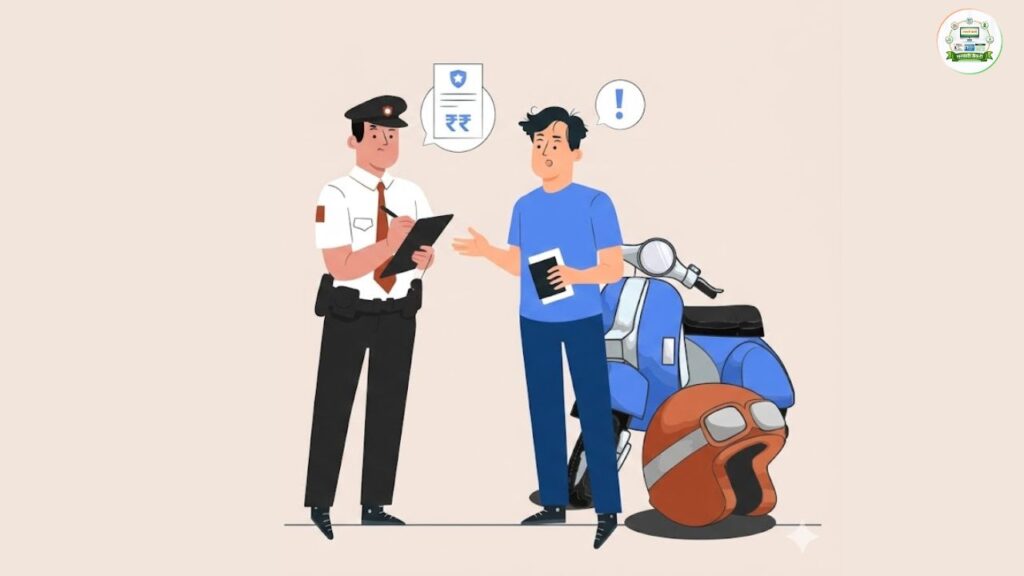
How Digital e-Challan System Works in India (Complete 2026 Guide)
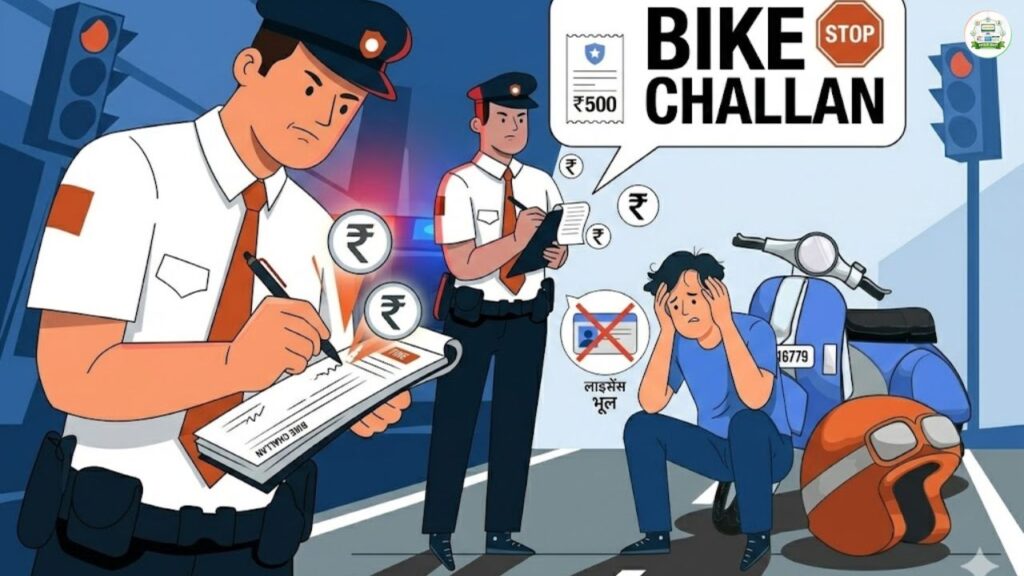
India’s traffic enforcement has moved from paper slips to a fully digital e-Challan system integrated with national transport databases. Today, fines are generated automatically through cameras, handheld devices, and centralized software — making enforcement faster, more transparent, and harder to ignore. Here’s a simple, step-by-step explanation of how the digital e-Challan system actually works in India. 🚦 What Is an e-Challan? An e-Challan (Electronic Challan) is a digitally generated traffic fine issued under the Motor Vehicles Act when a rider or driver violates traffic rules. Instead of issuing a handwritten receipt, the system: 🧠 Core Technology Behind the System The digital e-Challan system works through integration of: All these systems communicate with state and national transport servers. 📸 Step-by-Step: How an e-Challan Is Generated 🔹 Step 1: Violation Is Captured A traffic violation can be detected in two ways: 1️⃣ Automated Camera Detection 2️⃣ Manual Detection by Traffic Police 🔹 Step 2: Number Plate Is Read (ANPR) The camera captures your vehicle number plate. ANPR technology: If manual challan: 🔹 Step 3: Violation Is Verified The system verifies: Some violations are auto-approved.Others may be reviewed by traffic authorities before final issuance. 🔹 Step 4: Challan Is Generated Digitally Once confirmed: Each challan includes: 🔹 Step 5: SMS Notification Is Sent You receive: If mobile number is not updated, you may not receive SMS — but the challan still exists in the system. 🔗 Which Database Is Used? India’s e-Challan system is integrated with: This allows automatic cross-checking of: 📲 How You Can Check Your e-Challan You can check pending challans using: ✔ Parivahan e-Challan Portal Enter: ✔ State Traffic Police Websites Many states maintain their own portals linked to the national system. 💳 How Payment Works Once you open your challan: Payment is recorded digitally. ⚖️ What Happens If You Ignore It? If unpaid: Ignoring does not delete the record. 🚨 Common Violations Captured Digitally Automation has increased enforcement significantly. 🔍 Is There Human Review? Yes, in many cities: This reduces false challans. 🛑 Can e-Challans Be Wrong? Occasionally yes, due to: In such cases, you can: Never ignore a wrong challan — dispute it properly. 🏙️ Why Digital System Was Introduced ✔ Reduce corruption✔ Eliminate paper challans✔ Ensure uniform enforcement✔ Increase transparency✔ Improve road safety✔ Track repeat offenders It creates accountability through centralized data. 🔐 Is the System Secure? The system: Security standards are maintained under government IT infrastructure. 🏍️ What It Means for Bike Riders For two-wheelers, this means: Manual escape is nearly impossible in camera zones. 🔚 Conclusion India’s digital e-Challan system is a technology-driven enforcement mechanism designed to ensure safer roads and transparent penalty collection. With AI cameras, ANPR systems, and centralized databases, violations are recorded instantly and linked to your vehicle and license. For riders and drivers, the safest and smartest approach is simple: Follow traffic rules consistently.Maintain valid documents.Pay or dispute challans promptly. Understanding how the system works helps you stay compliant and avoid unnecessary penalties. For more simple guides on traffic laws, challans, and government systems, visit Sarkari Bakery. ❓ FAQs