
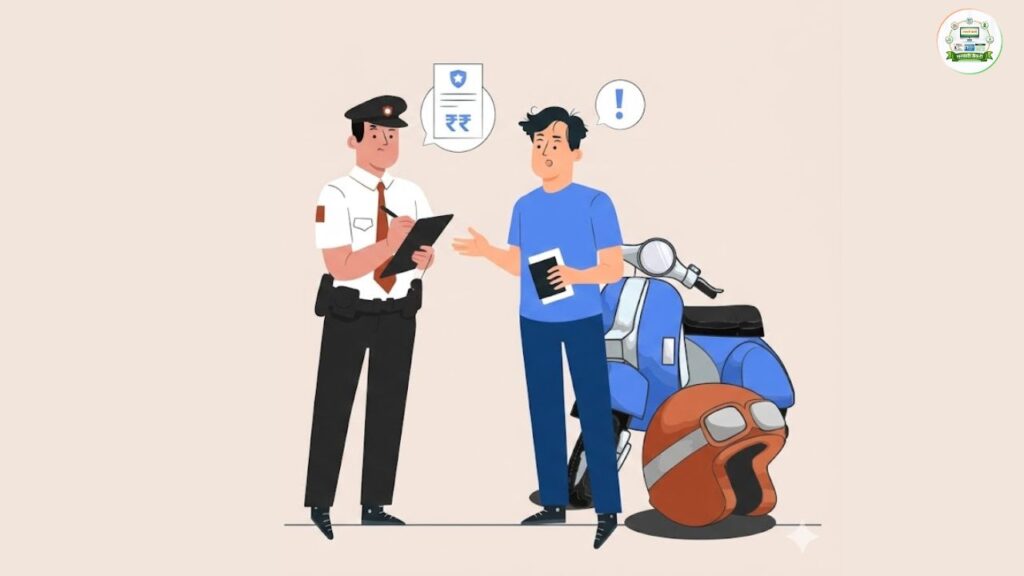
With India’s traffic enforcement system becoming fully digital, most bike challans today are generated through CCTV cameras, AI-based detection systems, and centralized databases. While this system has improved transparency and reduced manual errors, mistaken bike challans can still occur.
If you have ever received a challan for something you didn’t do, you’re not alone. In this detailed guide, we will explain:
- Why bike challans sometimes get issued incorrectly
- How digital systems work
- Common technical and human errors
- What you should do if it happens
- How to prevent wrong challans
Let’s understand everything clearly.
🚦 How Bike Challans Are Normally Generated
Before understanding mistakes, it’s important to know how the system works.
Bike challans are issued through:
✔ AI-powered traffic cameras
✔ ANPR (Automatic Number Plate Recognition)
✔ Speed radar systems
✔ Handheld devices used by traffic police
✔ Centralized Parivahan database
The system captures the violation → reads the number plate → fetches owner details → generates e-challan.
Even though this process is automated, errors can still happen.
📸 1️⃣ ANPR Number Plate Reading Errors
One of the most common reasons for mistaken challans is number plate misreading.
Cameras use OCR (Optical Character Recognition) technology. Sometimes it misinterprets characters like:
- O and 0
- B and 8
- S and 5
- Z and 2
If two vehicles have similar numbers, the wrong owner may receive a challan.
Why This Happens:
- Blurry camera image
- Dirty or dusty number plate
- Poor lighting conditions
- Rain or fog
- Fast-moving vehicle
🧾 2️⃣ Dirty or Damaged Number Plates
If your number plate is:
- Mud-covered
- Bent
- Scratched
- Faded
- Using non-standard font
The camera may incorrectly read the number.
This can cause challan to be issued to someone else — or to you for a violation you didn’t commit.
🚗 3️⃣ Duplicate or Cloned Number Plates
In rare cases, criminals use fake number plates matching real registered vehicles.
If someone with a cloned number plate commits a violation, the original owner may receive the challan.
This situation requires immediate complaint to authorities.
🏍️ 4️⃣ Vehicle Sold but Ownership Not Updated
If you sold your bike but:
- RC transfer was not completed
- Ownership update was delayed
The system still considers you the legal owner.
Any violation committed by the new rider may generate challan in your name.
Always complete RC transfer properly.
📄 5️⃣ Database Update Delays (Insurance / PUC)
Sometimes you may have:
✔ Renewed insurance
✔ Renewed PUC
✔ Updated license
But the central database may not have updated yet.
The system might show “expired document” and issue challan incorrectly.
Such cases require document proof to dispute.
🚨 6️⃣ Camera Angle or Technical Glitch
AI systems detect:
- Helmet compliance
- Signal jumping
- Mobile usage
But errors may occur if:
- Helmet color blends with background
- Pillion rider not visible clearly
- Shadow obstructs camera view
- Glare from sunlight
Though rare, AI detection is not 100% perfect.
👮 7️⃣ Human Data Entry Errors (Manual Challans)
In manual challans issued by traffic police:
- Officer may enter wrong vehicle number
- Typing mistake may occur
- Wrong violation code selected
These are less common but still possible.
🌧️ 8️⃣ Environmental Factors
Weather can affect detection accuracy:
- Heavy rain
- Dust storms
- Fog
- Low visibility
- Night-time glare
Camera clarity may reduce, increasing chance of error.
🧠 9️⃣ System Integration Issues
India’s e-Challan system integrates:
- State transport departments
- Insurance databases
- Pollution certificate records
- Driving license registry
Sometimes synchronization delay or technical server issues may result in incorrect challans.
⚠️ 10️⃣ Outdated Mobile Number
Even if challan is wrong, you may not know immediately if:
- Your registered mobile number is outdated
- SMS alert not received
You may discover it later while checking online.
📌 What To Do If You Receive a Wrong Bike Challan
If you believe challan is incorrect:
Step 1:
Check evidence photo on official portal.
Step 2:
Verify:
- Vehicle model in photo
- Location
- Date and time
Step 3:
Collect proof:
- RC copy
- Insurance certificate
- PUC
- Sale agreement (if vehicle sold)
Step 4:
File online grievance or visit traffic office.
Never ignore mistaken challan.
⏳ Why You Should Act Quickly
If ignored:
- Challan may move to court
- Legal notice may be issued
- RC transfer may get blocked
- License complications may arise
Early action makes resolution easier.
🛡️ How to Reduce Risk of Wrong Challans
✔ Keep number plate clean
✔ Use standard High Security Registration Plate (HSRP)
✔ Update mobile number in RC records
✔ Transfer ownership immediately after sale
✔ Maintain valid insurance & PUC
✔ Check challan status periodically
Prevention reduces future hassle.
🏍️ Real-Life Example
Imagine:
You are at home.
Someone else with similar number plate jumps red light.
Camera reads number slightly wrong.
Challan issued to you.
You check image online and see different bike model.
You file dispute with RC copy.
Authority reviews and cancels challan.
Understanding process protects you.
🔍 Are Mistaken Challans Common?
They are not extremely common, but they do happen occasionally due to:
- Technology limitations
- Human errors
- Data synchronization issues
The system is improving continuously to reduce such mistakes.
🔚 Conclusion
India’s digital traffic enforcement system has made challan issuance faster and more transparent. However, like any technology-driven system, occasional errors can occur.
Mistaken bike challans may happen due to:
- Number plate misreading
- Database delay
- Cloned plates
- Manual entry mistakes
- Technical glitches
If you receive a wrong challan:
✔ Verify details
✔ Gather proof
✔ File dispute promptly
Being aware of how the system works helps you protect your rights and avoid unnecessary penalties.
For more easy-to-understand guides on traffic rules, challans, and legal processes, visit Sarkari Bakery.