Income Tax

Why Accurate Income Details Are Important in Tax Filing
Income Tax

Why Accurate Income Details Are Important in Tax Filing

Filing income tax returns is not just about submitting numbers on a form. The accuracy of your income details plays a critical role in deciding whether your return is processed smoothly or flagged for scrutiny. Many taxpayers face notices, penalties, or delayed refunds simply because income details were incomplete, mismatched, or wrongly reported. In India’s increasingly data-driven tax system, accuracy is no longer optional—it is essential. ⭐ Why People Make Mistakes While Reporting Income Most income-related errors happen due to assumptions, not intent. Common situations include: These mistakes may seem small but can trigger system-generated alerts. ⭐ How the Income Tax Department Tracks Your Income The Income Tax Department matches your return with data received from multiple sources, such as: If the figures in your return do not match this data, your return may be marked defective or selected for verification. Understanding how TDS works helps avoid many of these mismatches. ⭐ Consequences of Incorrect Income Reporting Inaccurate income details can lead to more than just corrections. Possible consequences include: Even honest mistakes can result in avoidable stress and time loss. ⭐ Impact on Tax Calculation and Slabs Income accuracy directly affects: If income is under-reported, tax liability appears lower initially, but interest and penalties later increase the total outflow. Many taxpayers realise this only after missing return deadlines or receiving notices. ⭐ Common Income Sources People Forget to Declare These income sources are frequently overlooked: Banks and financial institutions already report this data, so omitting it creates a mismatch instantly. ⭐ Importance of Accurate Income for Refunds If your income details are incorrect: Accurate income reporting ensures faster processing and timely refunds without follow-ups. ⭐ How to Ensure Income Accuracy Before Filing Practical steps to avoid errors: Accuracy is not about perfection—it is about reasonable and honest disclosure. ⭐ Income Accuracy and Future Financial Records Correct income reporting also matters beyond tax filing: Your income tax returns act as official financial proof in many situations. 🔚 Conclusion Accurate income details form the backbone of smooth tax compliance. With automated data matching and stricter reporting standards, even small mistakes can lead to notices, delays, or penalties. Taking time to verify income from all sources not only keeps you compliant but also saves money and mental effort in the long run. For clear, practical guidance on income tax rules, filings, and official documentation, visit Sarkari Bakery. ❓ Frequently Asked Questions

How Advance Tax Works and Who Needs to Pay
Income Tax

How Advance Tax Works and Who Needs to Pay It in India

Many taxpayers in India assume that income tax is paid only once a year while filing the return. In reality, the Income Tax Act requires certain people to pay tax in advance, during the financial year itself. This system is called Advance Tax, and misunderstanding it is one of the most common reasons for interest penalties and tax notices. Advance tax is not just for big business owners. Freelancers, professionals, investors, and even salaried individuals with extra income often fall under its scope without realising it. ⭐ What Is Advance Tax? Advance tax means paying your income tax in instalments during the same financial year in which you earn the income, instead of paying it all at once at the end. The idea behind advance tax is simple: It is sometimes called “pay-as-you-earn tax”. ⭐ Who Needs to Pay Advance Tax? You are required to pay advance tax if your total tax liability in a financial year is ₹10,000 or more, after adjusting TDS. This applies to: If you rely only on salary and your employer deducts correct TDS, advance tax usually does not apply. But the moment you earn income outside salary, things change. ⭐ Who Is Exempt from Advance Tax? The following are not required to pay advance tax: This exemption is often misunderstood, especially by retirees earning interest or rental income. ⭐ Advance Tax Due Dates (Important) Advance tax is paid in four instalments during the financial year: Missing even one instalment can attract interest, even if you pay the full tax later. ⭐ How Advance Tax Is Calculated To calculate advance tax, you need to estimate your annual income: If your income varies (like freelance or business income), estimates are allowed. Small variations are acceptable, but major shortfalls can lead to penalties. ⭐ How to Pay Advance Tax Online Advance tax is paid through the income tax challan system. The process is fully online: The challan details automatically reflect in your tax records. ⭐ What Happens If You Don’t Pay Advance Tax? Non-payment or short payment of advance tax leads to interest penalties, even if you later pay the full amount. Two sections apply: These interests are calculated monthly and can quietly increase your tax burden. Many people only realise this while filing returns or after receiving a notice for missed filing or underpaid tax. ⭐ Advance Tax vs TDS (Key Difference) Advance tax and TDS often confuse taxpayers, but they are different: If TDS does not cover your full tax liability, advance tax becomes mandatory. Understanding TDS basics helps avoid this confusion. ⭐ Common Mistakes People Make These mistakes often lead to penalties: Advance tax does not need to be perfect, but it must be reasonable and timely. ⭐ Advance Tax and ITR Filing Connection Advance tax payments are adjusted while filing your income tax return. If you have paid excess advance tax, you can claim a refund. If you paid less, you must pay the balance along with interest. Incorrect advance tax planning is a major reason people face confusion while filing returns or dealing with notices related to tax slabs and interest calculations. 🔚 Conclusion Advance tax is a crucial but often ignored part of India’s tax system. If you earn income beyond salary or your tax liability crosses ₹10,000, understanding and paying advance tax on time can save you from interest penalties and unnecessary stress. A little planning during the year goes a long way in smooth tax compliance. For clear, practical guidance on income tax, government rules, and official processes, visit Sarkari Bakery. ❓ Frequently Asked Questions

The Real Reason TDS Is Deducted and How the System Actually Works
Income Tax

The Real Reason TDS Is Deducted and How the System Actually Works

Many salaried employees, freelancers, business owners, and even investors notice that a portion of their income is deducted before they actually receive the money. This deduction, shown as TDS, often raises questions—why is it deducted, who deducts it, and what happens to that money? Understanding why TDS is deducted and how it works is essential because it directly affects your cash flow, tax filing, refunds, and compliance with Indian income tax laws. Misunderstanding TDS can lead to blocked refunds, tax notices, or unnecessary panic at the time of filing returns. ⭐ What Is TDS and Why It Exists TDS stands for Tax Deducted at Source. It is a system where tax is collected by the government at the time income is earned, not later. The main reasons TDS is deducted are: Instead of waiting for taxpayers to pay tax at year-end, the government collects a portion upfront. ⭐ Who Deducts TDS and Who Pays It TDS is always deducted by the payer, not the receiver. Examples: The deducted amount is deposited with the Income Tax Department using the deductor’s TAN and the recipient’s PAN. ⭐ How TDS Works Step by Step Here is how the TDS mechanism works in real life: This system links income, tax deduction, and PAN digitally. ⭐ Common Types of Income Where TDS Applies TDS is deducted on many types of income, such as: Each type falls under a specific section of the Income Tax Act with its own rules. ⭐ TDS Rates Depend on Income Type TDS is not a flat rate. It depends on: For example: This is why understanding gross vs taxable income matters when checking whether excess TDS has been deducted. ⭐ What Happens After TDS Is Deducted Once TDS is deducted: When you file your return, this amount is adjusted against your final tax liability. If excess tax was deducted, you get a refund. ⭐ Why TDS Is Not Final Tax A common mistake is assuming TDS is the final tax. It is not. TDS is only: Final tax depends on: This is why people with TDS deducted may still need to pay extra tax or receive a refund. ⭐ What If TDS Is Deducted Incorrectly Incorrect TDS can happen due to: In such cases: Tracking TDS return dates and matching Form 26AS is critical to avoid these issues. ⭐ Can You Reduce or Avoid TDS Legally Yes, in some cases: These steps do not avoid tax, but prevent excess deduction. ⭐ What Happens If TDS Is Not Deducted If TDS should have been deducted but wasn’t: TDS responsibility and tax liability are treated separately under law. ⭐ Common Myths About TDS ❌ TDS means no need to file ITR❌ TDS equals final tax❌ Refund comes automatically❌ Only salaried people face TDS All of these assumptions are incorrect and lead to compliance issues. 🔚 Conclusion TDS exists to simplify tax collection, reduce evasion, and ensure steady revenue for the government. For taxpayers, it acts as advance tax paid on income, not the final settlement. Understanding how TDS works helps you avoid refunds getting stuck, mismatches in Form 26AS, and unnecessary tax notices. When tracked properly, TDS actually makes tax filing smoother and stress-free. For clear explanations on taxation, income rules, and government procedures, visit Sarkari Bakery. ❓ Frequently Asked Questions

Miss Filing Your Income Tax Return
Income Tax

What Happens If You Miss Filing Your Income Tax Return?

Missing the income tax return (ITR) filing deadline is more common than people admit. Busy schedules, confusion about rules, missing documents, or the assumption that “no tax payable means no filing” often lead to delays. However, skipping or delaying ITR filing can create financial, legal, and practical problems that many taxpayers realise only when it’s too late. This guide explains exactly what happens if you miss filing your income tax return in India, the penalties involved, long-term consequences, and what you can still do to fix the situation. ⭐ Why People Miss Filing ITR Many taxpayers miss the deadline due to: Unfortunately, income tax law does not treat these as valid excuses. ⭐ Late Filing of Income Tax Return – What It Means If you fail to file your return by the due date (usually 31 July for individuals), your return becomes a belated return. While filing is still allowed, it comes with penalties, restrictions, and risks. Understanding how income tax works is important because even zero-tax cases may require mandatory filing. ⭐ Late Filing Penalty Under Section 234F If you miss the due date, a late fee is charged: This fee is automatic and must be paid before submitting the belated return. ⭐ Interest on Tax Due (Section 234A) If you had any unpaid tax liability: This interest applies even if the delay is unintentional. ⭐ Loss of Certain Deductions and Benefits Late filing may lead to: Only house property loss can be carried forward even with late filing. ⭐ Income Tax Refund Delays or Loss If excess TDS was deducted: Many taxpayers assume refunds will come automatically, which is not true without timely filing. ⭐ Risk of Notice from Income Tax Department Non-filing increases the risk of: This is common when PAN-linked transactions like property purchase, stock trading, or high bank deposits are detected. ⭐ Prosecution in Extreme Cases If return is not filed even after repeated notices: While rare for small taxpayers, the risk exists for continuous non-compliance. ⭐ Impact on Loans, Visa, and Financial Profile Late or non-filing affects: ITR is often treated as income proof, and missing returns can block opportunities. ⭐ Can You Still File After Missing the Deadline? Yes. You can file a belated return: After this date, filing is possible only if the department issues a notice. ⭐ What If You Missed Filing for Previous Years? If you skipped filing in earlier years: This often comes up during financial audits or loan processing. ⭐ Common Mistakes People Make After Missing the Deadline ❌ Ignoring the issue❌ Waiting indefinitely for notice❌ Filing incorrect data just to “complete” filing❌ Not paying late fee before submission❌ Assuming employer TDS is enough Understanding gross vs taxable income helps avoid filing errors that can create bigger problems later. ⭐ How to Avoid Late Filing in the Future Consistency is key to stress-free compliance. 🔚 Conclusion Missing the income tax return filing deadline may seem harmless, but it can lead to penalties, loss of benefits, delayed refunds, and even legal trouble. Filing on time protects your financial record, keeps you compliant, and avoids unnecessary stress. If you’ve missed the deadline, act quickly and file a belated return instead of ignoring it. For clear, practical guidance on income tax rules, compliance, and government procedures, visit Sarkari Bakery. ❓ Frequently Asked Questions

How Income Tax Slabs Are Decided in India
Income Tax

How Income Tax Slabs Are Decided in India

Income tax slabs in India often change, creating confusion among salaried employees, business owners, freelancers, and even pensioners. Many people wonder why tax rates differ across income levels, who decides these slabs, and how changes impact their take-home income. Understanding how income tax slabs are decided helps taxpayers plan finances better and avoid unpleasant surprises while filing returns. ⭐ Why Income Tax Slabs Matter to Taxpayers Income tax slabs directly decide: Even a small slab change can increase or reduce your tax liability significantly. That’s why people closely track slab announcements every year. ⭐ Who Decides Income Tax Slabs in India? Income tax slabs are decided by the Central Government of India, mainly through: The final approval comes from Parliament when the Finance Bill is passed. Once approved, new slabs become applicable from the next financial year. ⭐ Role of the Union Budget in Tax Slabs Every year, the Finance Minister presents the Union Budget in Parliament. One important part of this budget is personal income tax policy, which may include: Not every budget changes slabs, but slab revisions usually happen when the government wants to provide relief or increase revenue. ⭐ Factors That Influence Income Tax Slabs Income tax slabs are not decided randomly. Several economic and social factors are considered. 📊 Economic Conditions When inflation rises or the economy slows down, the government may revise slabs to: 💼 Income Distribution Tax slabs aim to balance: Higher earners are taxed at higher rates to maintain fairness. 🧾 Government Revenue Needs The government needs tax revenue for: If expenditure increases, slabs may remain unchanged or become stricter. 🏛️ Political and Social Considerations Tax relief before elections or during economic stress is common. Slabs may be adjusted to benefit a larger population segment. ⭐ Old Tax Regime vs New Tax Regime Impact India currently follows two parallel systems: Slab decisions now also involve: If you’re confused about income calculation under both regimes, understanding gross vs taxable income is important. ⭐ Why Income Is Divided Into Slabs Instead of a flat tax, India follows a progressive tax system, where: This system ensures: ⭐ How Often Do Income Tax Slabs Change? There is no fixed rule that slabs must change every year. Slabs may: Major changes usually come during big economic reforms. ⭐ Common Misunderstandings About Tax Slabs ❌ Slabs are decided by the Income Tax Department❌ Slabs change automatically with inflation❌ Everyone pays tax at the highest slab rate❌ Salary hike always means more savings In reality, only the portion of income falling in a slab is taxed at that slab’s rate, not the entire income. ⭐ How Slab Changes Affect You Practically When slabs change, the impact can be seen in: Many people miss deadlines or miscalculate taxes due to slab confusion and TDS filing timelines. ⭐ Are Income Tax Slabs Same for Everyone? No. Slabs can differ based on: That’s why taxpayers should always check applicable slabs before filing returns. ⭐ How Government Balances Relief and Revenue The government tries to strike a balance between: Too much relief reduces revenue, while higher taxes slow economic growth. Slab decisions reflect this balancing act. 🔚 Conclusion Income tax slabs in India are decided through a structured process involving economic analysis, government priorities, and parliamentary approval. These slabs are designed to ensure fairness, encourage growth, and generate revenue for national development. Understanding how slabs are decided helps taxpayers make informed financial decisions and avoid tax mistakes. For simple, clear explanations on income tax, government rules, and financial topics, visit Sarkari Bakery. ❓ Frequently Asked Questions

Gross Income and Taxable Income
Income Tax

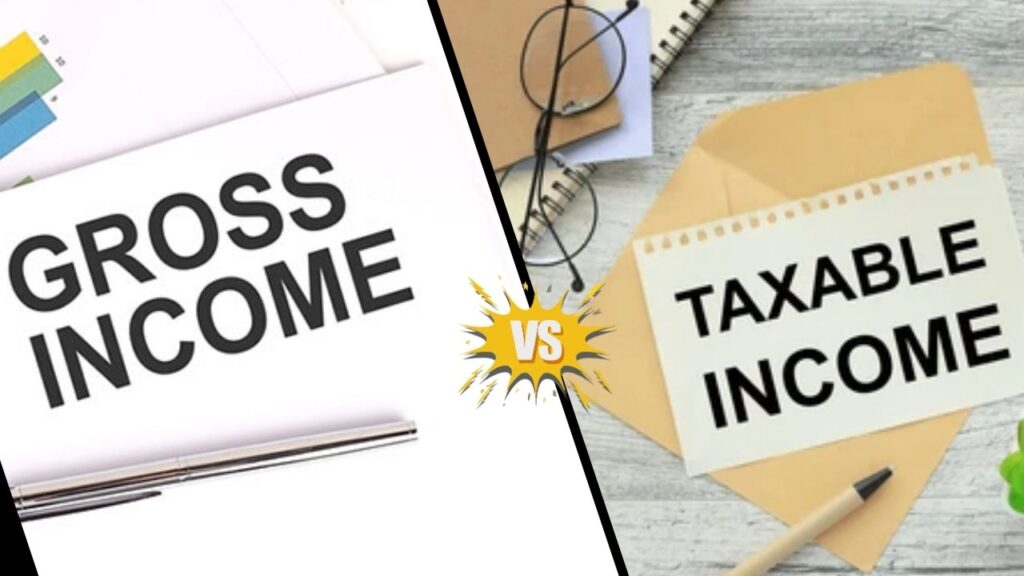
Difference Between Gross Income and Taxable Income Explained

Many taxpayers in India get confused while filing income tax returns because of two commonly used terms — gross income and taxable income. This confusion often leads to wrong tax calculations, missed deductions, or unnecessary tax payments. Understanding the difference between these two is essential for accurate tax filing and smart financial planning. ⭐ Why People Get Confused Between Gross Income and Taxable Income Most salary slips, bank statements, and Form 16 show different figures for income. One number looks higher, another looks lower. This raises common doubts like: The answer lies in clearly understanding gross income and taxable income. ⭐ What Is Gross Income? Gross income is the total income you earn from all sources before any deductions or exemptions are applied. 💰 Sources Included in Gross Income Gross income usually includes: In simple words, gross income = total earnings during the financial year. ⭐ What Is Taxable Income? Taxable income is the portion of your gross income on which income tax is actually calculated. This is arrived at after subtracting eligible deductions, exemptions, and allowances permitted under the Income Tax Act. 📉 What Reduces Gross Income? Some common reductions include: After all these are adjusted, the remaining amount becomes your taxable income. ⭐ Gross Income vs Taxable Income – Simple Comparison Basis Gross Income Taxable Income Meaning Total earnings Income after deductions Deductions applied ❌ No ✅ Yes Used for tax calculation ❌ No ✅ Yes Amount shown on salary slip Higher Lower Tax liability Not calculated Calculated on this ⭐ Real-Life Example to Understand the Difference Let’s say Rahul earns: Gross Income = ₹8,50,000 Now deductions: Total deductions = ₹2,00,000 👉 Taxable Income = ₹6,50,000 Income tax is calculated only on ₹6,50,000 — not on ₹8,50,000. ⭐ Why Tax Is Not Charged on Gross Income The government allows deductions to: This system ensures fair taxation based on actual spendable income, not total earnings. ⭐ Common Mistakes Taxpayers Make ❌ Assuming tax is charged on full salary❌ Forgetting to claim deductions❌ Confusing CTC with taxable income❌ Ignoring interest income while calculating gross income❌ Missing filing deadlines and TDS due dates Avoiding these mistakes can save money and prevent notices from the Income Tax Department. ⭐ Gross Income and Tax Planning Understanding the difference helps in: Smart taxpayers focus on legally reducing taxable income, not hiding gross income. ⭐ Does Gross Income Affect Anything Else? Yes. Gross income is often considered while: So even though tax is calculated on taxable income, gross income still plays an important role in financial credibility. 🔚 Conclusion Gross income represents everything you earn, while taxable income is what remains after applying deductions and exemptions. Income tax is calculated only on taxable income, not on your total earnings. Knowing this difference helps you file accurate returns, plan investments wisely, and avoid unnecessary tax payments. For clear explanations on income tax, deductions, and government rules in simple language, visit Sarkari Bakery. ❓ Frequently Asked Questions

Paying Income Tax
Income Tax

Why Paying Income Tax Is Important and How It Benefits Citizens

Many people see income tax only as a compulsory deduction from their earnings. For salaried employees, it reflects in salary slips, while for business owners and freelancers, it appears as advance tax or self-assessment tax. Because of this, a common question arises: why is paying income tax so important, and where does this money actually go? Understanding the purpose of income tax helps citizens see it not as a burden, but as a shared responsibility that directly supports national growth, public services, and individual benefits. ⭐ Why People Search About Income Tax Importance Most taxpayers want to know: These questions are valid, especially for first-time taxpayers who feel they are giving away a large part of their income without seeing direct returns. ⭐ What Is Income Tax and Why the Government Collects It Income tax is a direct tax collected by the central government on income earned by individuals and businesses. Unlike indirect taxes (GST, fuel tax), income tax is linked to a person’s earnings and financial capacity. The main reason the government collects income tax is to: Without income tax, the government would struggle to maintain basic systems that citizens rely on daily. ⭐ How Income Tax Benefits Citizens Directly 🏥 Better Healthcare Facilities Income tax helps fund: Schemes like Ayushman Bharat and public health insurance are possible because of tax collections. 🏫 Education and Skill Development Tax revenue supports: Affordable education ensures long-term economic growth and social stability. 🛣️ Infrastructure and Public Transport Roads, highways, railways, metros, and airports are largely funded by tax revenue. Even everyday facilities like street lighting and drainage systems depend on government funds generated through taxes. 🛡️ National Security and Disaster Relief Income tax plays a critical role in: Emergency response systems cannot function without steady government funding. ⭐ Income Tax and Social Welfare Schemes A major portion of income tax revenue is used for welfare schemes that support: Subsidised food, pensions, housing schemes, and rural employment programs are sustained through tax contributions. ⭐ How Paying Income Tax Helps You Personally Many people don’t realise that paying income tax also offers individual-level advantages. ✔ Financial Credibility Regular tax filing builds a strong financial record. This helps while applying for: Banks often check income tax returns before approving large loans. ✔ Faster Visa and Travel Approvals For international travel, embassies frequently ask for income tax returns as proof of financial stability. ✔ Refunds and Adjustments If excess tax is deducted through TDS, filing returns allows you to legally claim refunds. Understanding timelines like TDS due dates helps avoid unnecessary penalties. ⭐ What Happens If You Don’t Pay Income Tax Avoiding or delaying income tax payments can lead to: Non-compliance can also affect future financial plans, such as property purchases or business expansion. ⭐ Income Tax and Equality in Society Income tax follows the principle of ability to pay. Higher earners contribute more, while lower-income groups pay less or no tax. This helps: Taxation is one of the strongest tools a government has to ensure fairness in society. ⭐ Common Misunderstandings About Income Tax Clearing these myths helps build a healthier tax culture. ⭐ Income Tax, PAN, and Legal Compliance Paying income tax is closely linked with PAN usage. An active and compliant PAN ensures: Ignoring PAN compliance can cause higher tax deductions and blocked refunds. 🔚 Conclusion Paying income tax is not just a legal obligation—it is a shared responsibility that keeps the country functioning smoothly. From roads and hospitals to education and national security, income tax touches every aspect of daily life. At a personal level, it builds financial credibility, enables refunds, and ensures long-term security. For clear, reliable guidance on income tax, government rules, and everyday compliance, visit Sarkari Bakery. ❓ Frequently Asked Questions

How Income Tax Works in India
Income Tax

How Income Tax Works in India: A Simple Explanation for Beginners

Income tax is one of the first financial responsibilities most Indians face, yet it often feels confusing and intimidating. Many people see tax deductions on their salary slip or hear about filing returns, but don’t clearly understand how the system actually works. Knowing the basics of income tax helps you avoid mistakes, save money legally, and stay compliant with government rules. This guide explains income tax in India in a simple, practical way—especially for beginners. ⭐ What Is Income Tax in India? Income tax is a direct tax collected by the Government of India on income earned by individuals and businesses during a financial year. The tax collected is used to fund public services such as infrastructure, healthcare, education, defence, and welfare schemes. Simply put, income tax is how citizens contribute financially to the country’s development. ⭐ Who Needs to Pay Income Tax? You are liable to pay income tax if your total annual income exceeds the basic exemption limit. Basic Exemption Limits Even if your income is below the taxable limit, filing an income tax return can still be useful for refunds, loans, or official verification. ⭐ What Is Considered Income? Income tax law divides income into five clear categories: 1️⃣ Salary Income Includes basic pay, allowances, bonuses, and perquisites received from an employer. 2️⃣ Income From House Property Rental income from a house or deemed rent from a second property. 3️⃣ Business or Profession Income from business activities, freelancing, consultancy, or professional services. 4️⃣ Capital Gains Profit earned from selling assets such as property, shares, mutual funds, or gold. 5️⃣ Income From Other Sources Bank interest, fixed deposits, dividends, prizes, or lottery winnings. All these incomes together form your gross total income. ⭐ Old vs New Tax Regime – What Beginners Should Know India currently offers two tax systems: Old Tax Regime New Tax Regime Choosing the correct regime depends on your income and investments. ⭐ How Income Tax Is Calculated (Simple Flow) Understanding this flow removes most tax-related confusion. ⭐ What Is TDS and Why Is It Deducted? TDS (Tax Deducted at Source) means tax is deducted before you receive income—commonly on salary, interest, or professional fees. TDS does not replace return filing. It only adjusts your final tax liability. For timing clarity, checking TDS due dates helps avoid penalties. ⭐ Is Filing Income Tax Return Mandatory? You should file an ITR if: Skipping ITR filing can create long-term issues. ⭐ Common Mistakes First-Time Taxpayers Make These mistakes often lead to notices or loss of refunds. ⭐ Consequences of Not Paying Income Tax Failure to comply can result in: Tax compliance protects your financial credibility. ⭐ PAN and Aadhaar in Income Tax PAN is your tax identity. Aadhaar linking is mandatory in most cases. An inoperative PAN can cause: Understanding PAN rules early prevents serious issues later. 🔚 Conclusion Income tax in India follows a structured and logical system. Once you understand income types, tax slabs, and filing basics, tax compliance becomes manageable rather than stressful. Early awareness helps you save money legally and avoid penalties. For clear, trustworthy guidance on income tax, government rules, and official processes, visit Sarkari Bakery. ❓ Frequently Asked Questions (FAQs)

Income Tax

⭐ TDS Return Filing & Payment Due Dates for FY 2025–26: Complete Guide for Taxpayers

If you are a business owner, employer, freelancer, or anyone responsible for deducting TDS, then staying updated with TDS return filing and payment due dates is extremely important. Missing deadlines can lead to heavy interest, penalties, and late fees, and repeated delays may even trigger compliance notices from the Income Tax Department. ⭐ What Is TDS & Why Is It Important? TDS (Tax Deducted at Source) is a method where tax is deducted at the time of making payments like: The deductor must: ✔ deduct TDS at the correct rate✔ deposit TDS before the due date✔ file quarterly returns Timely filing ensures smooth credit to the deductee and prevents compliance issues. ⭐ TDS Return Filing Due Dates for FY 2025–26 Every deductor must file TDS returns quarterly. Below are the official due dates for FY 2025–26: Quarter Period Due Date Q1 1 Apr – 30 Jun 2025 31 July 2025 Q2 1 Jul – 30 Sept 2025 31 October 2025 Q3 1 Oct – 31 Dec 2025 31 January 2026 Q4 1 Jan – 31 Mar 2026 31 May 2026 👉 Quick Tip The return is due on the last day of the month after the quarter ends, except for Q4. ⭐ TDS Payment Due Dates for FY 2025–26 TDS deducted must be deposited by the 7th of the following month, except for March. Month of Deduction Payment Due Date April 2025 7 May 2025 May 2025 7 June 2025 June 2025 7 July 2025 July 2025 7 August 2025 August 2025 7 September 2025 September 2025 7 October 2025 October 2025 7 November 2025 November 2025 7 December 2025 December 2025 7 January 2026 January 2026 7 February 2026 February 2026 7 March 2026 March 2026 30 April 2026 📌 Rule for Government Deductors If TDS is deposited through book entry, it must be deposited same day. ⭐ Upcoming TDS Deadlines (Don’t Miss These!) 👉 Upcoming Payment Dates Month Due Date December 2025 7 Jan 2026 January 2026 7 Feb 2026 February 2026 7 Mar 2026 March 2026 30 Apr 2026 👉 Upcoming Return Filing Dates Quarter Due Date Q3 31 January 2026 Q4 31 May 2026 These reminders help avoid last-minute rush and penalties. ⭐ TDS Forms: Which One Should You File? Form Purpose 24Q Salary payments 26Q Non-salary (contractor, professional fees, interest, rent) 26QB TDS on property purchase 26QC TDS on rent (individuals) 26QD TDS under Section 194M 26QE TDS on crypto transactions 27Q Payments to non-residents 27EQ TCS return Choosing the correct form ensures error-free compliance. ⭐ Penalty for Late Filing of TDS/TCS Returns (Section 234E) If you miss the due date, a late fee of ₹200 per day is charged until you file the return. 📌 Important Conditions ✔ Example Let’s say: Late fee = 109 × 200 = ₹21,800But since TDS amount is ₹5,000, you pay only ₹5,000. ⭐ Penalty Under Section 271H Apart from late fees, the Income Tax Department may impose a penalty between ₹10,000 and ₹1,00,000 if: ✔ No Penalty if You Meet These 3 Conditions: ⭐ Interest on Late Deduction or Late Deposit of TDS 🔹 A. If TDS is Not Deducted Interest = 1% per monthPeriod = When tax should have been deducted → actual date of deduction 🔹 B. If TDS is Deducted but Not Deposited Interest = 1.5% per monthPeriod = Deduction date → actual date of deposit 📌 Note Even 1-day delay = full month counted. ⭐ Why Timely TDS Compliance Matters Timely filing avoids: ✔ penalties✔ late fees✔ interest charges✔ system errors✔ scrutiny notices It also ensures: ✔ smooth credit to deductees✔ clean tax record✔ better financial management ⭐ Final Thoughts TDS compliance may feel complicated, but once you understand the due dates and rules, it becomes much easier to manage.If you are a business, freelancer, deductor, or accountant, keeping track of the above timelines is extremely important. A single delay can lead to unnecessary financial burden—so staying updated is the best strategy. ⭐ FAQs

Scroll to Top