
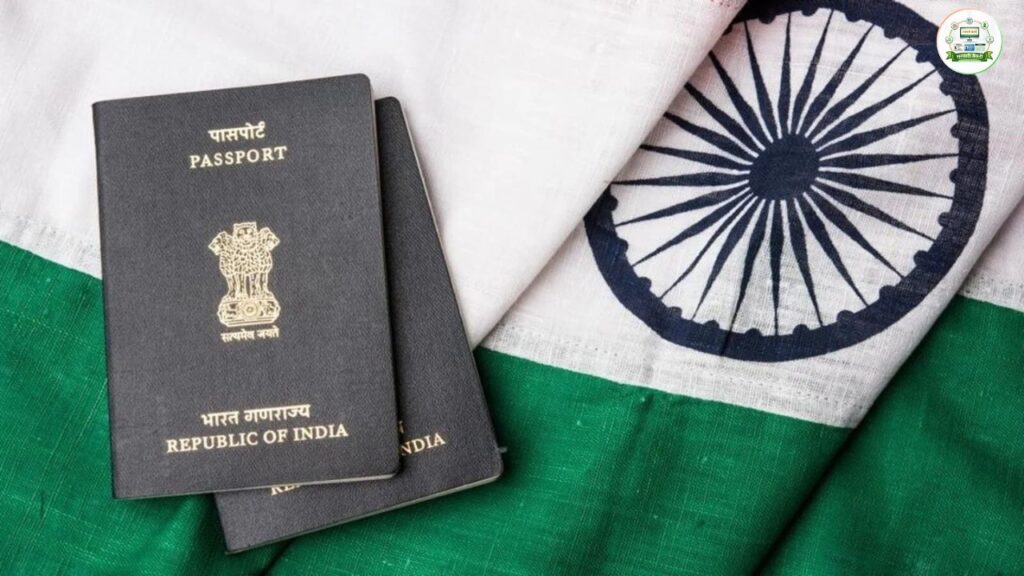
An Indian passport is more than just a travel document. It is an official proof of identity, nationality, and global mobility issued by the Government of India. Yet, many citizens only start understanding the system when they urgently need a passport — for study abroad, job opportunities, business travel, immigration, or emergencies.
Delays, police verification issues, documentation confusion, Tatkal misunderstandings, and appointment rescheduling are common problems. This guide explains the Indian passport system in simple, practical terms so you understand how it works, who manages it, and how to avoid costly mistakes.
⭐ Who Manages the Indian Passport System?
The passport system in India is governed by the Passports Act, 1967 and administered by the Ministry of External Affairs (MEA).
Key authorities involved:
- Passport Seva Project (PSP) – Digital application and processing system
- Passport Seva Kendras (PSKs) – Urban processing centers
- Post Office Passport Seva Kendras (POPSKs) – Expanded access through India Post
- Regional Passport Offices (RPOs) – Supervisory and approval authorities
- Police Authorities – Conduct verification of applicant details
The system is largely digitised but still involves physical verification steps.
⭐ Types of Indian Passports
🟢 Ordinary Passport (Blue Cover)
Issued to regular Indian citizens for personal travel, tourism, employment, or education.
🔴 Diplomatic Passport (Maroon Cover)
Issued to diplomats and senior government officials.
⚪ Official Passport (White Cover)
Issued to government representatives traveling on official duty.
Most citizens apply for the Ordinary Passport.
⭐ Passport Categories: Fresh vs Reissue
Fresh Passport
For first-time applicants.
Reissue Passport
Required when:
- Passport expires
- Pages are exhausted
- Name/address changes
- Damage or loss
- Minor becomes major
Many applicants incorrectly apply under the wrong category, causing delays.
⭐ Validity Rules You Should Know
- Adult passport validity: 10 years
- Minor passport validity: 5 years or until age 18 (whichever earlier)
- Passport must have at least 6 months validity for most international travel
Renewal can be initiated up to 1 year before expiry.
⭐ How the Passport Application System Works
Step 1: Online Registration
Create an account on the Passport Seva portal.
Step 2: Fill Application Form
Select fresh or reissue category carefully.
Step 3: Pay Fee & Book Appointment
Payment is mandatory before scheduling appointment.
Step 4: Visit PSK/POPSK
Biometrics, document verification, and interview.
Step 5: Police Verification
Local police verify address and background.
Step 6: Passport Printing & Dispatch
If verification is clear, passport is printed and dispatched via Speed Post.
⭐ Police Verification: Why It Matters
Police verification is often the most misunderstood stage.
Two types:
✔ Pre-Police Verification – Passport issued only after verification
✔ Post-Police Verification – Passport issued first, verification follows
Verification may fail due to:
- Address mismatch
- Incomplete documentation
- Not being present during visit
- Neighbour objections
- Inconsistent signature
Always ensure your address proof matches your application.
⭐ Tatkal vs Normal Passport
Normal Passport
Standard processing time: 2–4 weeks (varies by region).
Tatkal Passport
Faster processing (2–7 days approx.), but:
- Higher fee
- Additional documentation required
- Police verification still mandatory
Tatkal does not mean “no verification”.
⭐ Common Reasons for Passport Rejection or Delay
❌ Incorrect spelling in application
❌ Mismatch in Aadhaar and documents
❌ Incomplete address proof
❌ Criminal cases not disclosed
❌ Pending court cases without proper permission
❌ Incomplete police verification
Even small errors can delay issuance by weeks.
⭐ Documents Required (General Overview)
For most adult fresh passport applications:
- Aadhaar Card
- PAN Card (recommended)
- Address proof (Electricity bill, bank statement, voter ID etc.)
- Date of birth proof (Birth certificate, 10th marksheet)
- Marriage certificate (if spouse name added)
Always check category-specific requirements before applying.
⭐ ECR vs ECNR Status Explained
ECR (Emigration Check Required)
Applies mainly to certain categories of workers going to specific countries.
ECNR (Emigration Check Not Required)
Applies to:
- Graduates
- Income tax payers
- Professionals
Most educated applicants fall under ECNR category.
⭐ Lost or Damaged Passport: What To Do
If lost:
- File FIR immediately
- Apply for reissue under lost category
- Submit copy of FIR
- Additional verification may apply
Repeated loss may attract scrutiny.
⭐ Passport Address Change Rules
If you move to a new address:
- Apply for reissue
- Submit valid address proof
- Police verification will occur at new location
Temporary stay without proof may cause rejection.
⭐ Passport for Minors
Minor passports require:
- Birth certificate
- Parents’ passports
- Consent forms
If one parent is unavailable, additional declaration may be needed.
⭐ Processing Time in 2026 (Expected Trends)
Processing times vary by city, but digitisation has improved turnaround.
Metro cities: 7–15 working days (Normal)
Tatkal: 2–7 working days (subject to verification)
Delays are more common in high-volume cities.
⭐ Important Things Every Citizen Should Remember
✔ Book appointment early during peak season (April–June)
✔ Keep original documents and photocopies
✔ Reach PSK 15 minutes before appointment
✔ Track status online regularly
✔ Respond quickly to police verification calls
Avoid middlemen or unauthorized agents.
⭐ Is Passport Linked With Aadhaar?
Aadhaar is widely accepted as identity and address proof but is not mandatory in all cases. However, linking Aadhaar helps smoother verification.
⭐ Why Understanding the Passport System Matters
A passport is often required for:
- Overseas employment
- Higher education
- Immigration processes
- Visa applications
- International business
Delays can lead to missed job offers, visa rejection, or travel cancellation.
Understanding the system helps avoid unnecessary stress.
🔚 Conclusion
The Indian passport system has become more digital and streamlined, but it still requires accuracy, documentation discipline, and timely response from applicants. Most delays occur not because of system inefficiency but due to incorrect applications or verification issues.
If you plan to travel abroad or anticipate international opportunities, apply early and ensure all documents are aligned.
For more government process guides and simplified explanations, visit Sarkari Bakery.
❓ FAQs
Based on Google's Helpful Content System, this article emphasizes user value, transparency, and accuracy. It incorporates principles of E-E-A-T (Experience, Expertise, Authoritativeness, Trustworthiness).
Why Choose Sarkari Bakery?
Official Information
Government schemes & banking information based on official sources.
Step-by-Step Guides
Simple application process explained for every service.
Regular Updates
Content updated whenever official rules or services change.
People-First Content
Helpful, transparent and user-focused content.